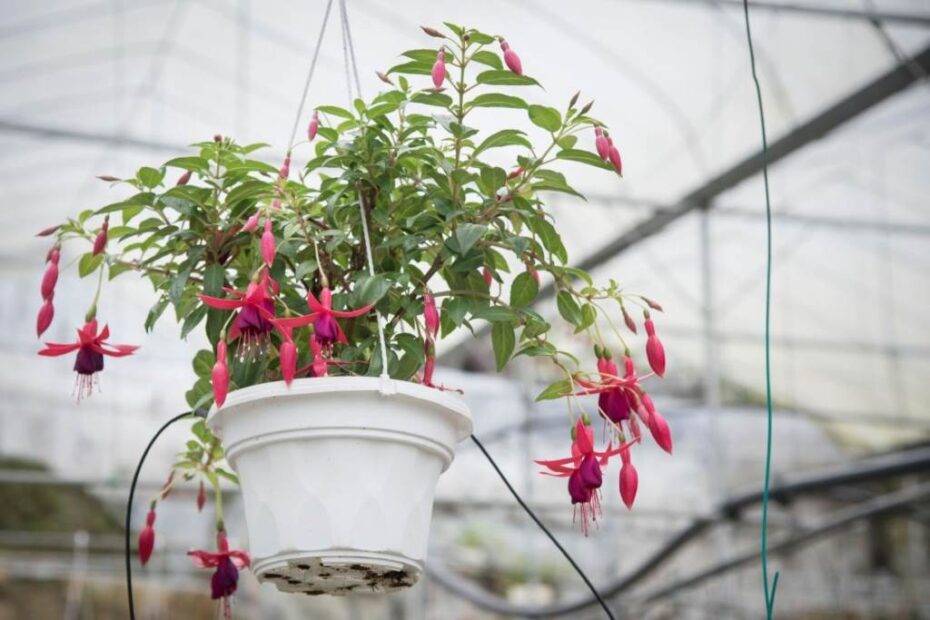
Fuchsias are beloved for their vibrant, pendulous blooms that add a touch of elegance to hanging baskets. However, their sensitivity to cold makes overwintering a critical task for gardeners who want to preserve these stunning plants for the next season. Overwintering fuchsias in hanging baskets requires careful planning, proper care, and attention to detail to ensure they survive winter and thrive again in spring. This guide, inspired by resources like Be Gardenly, provides a step-by-step approach to successfully overwintering your fuchsias, keeping them healthy and ready for another season of beauty.
Understanding Fuchsia Needs for Overwintering
Fuchsias are tender perennials, meaning they can survive mild winters but struggle in harsh, freezing conditions. In regions where temperatures drop below 40°F (4°C), fuchsias in hanging baskets need protection to survive. The goal of overwintering is to keep the plant dormant, preserving its energy for spring growth. Proper preparation prevents frost damage, pest infestations, and root rot, which can occur if the plant is left exposed or overwatered. For example, knowing how to deadhead penstemon can offer insights into maintaining healthy blooms, but fuchsias require specific winter care to protect their delicate structure.
Before overwintering, assess the health of your fuchsias. Healthy plants with strong root systems are more likely to survive winter dormancy. Inspect for pests, diseases, or weak growth, and address these issues before proceeding. Additionally, understanding your local climate is key. In milder climates (USDA zones 9-11), fuchsias may only need light protection, while colder regions (zones 8 and below) demand more intensive measures, such as indoor storage.
Preparing Fuchsias for Winter
Preparation is the foundation of successful overwintering. Start in late summer or early fall, before the first frost, to give your fuchsias the best chance of survival. Here’s how to prepare:
- Prune the Plant: Trim back the fuchsia by about one-third, removing leggy growth, dead leaves, and spent flowers. This reduces the plant’s energy needs during dormancy and prevents fungal issues. Use clean, sharp pruning shears to avoid damaging the stems.
- Check the Soil: Ensure the soil in the hanging basket is well-draining. Replace soggy or compacted soil with a mix of potting soil and perlite or sand to improve drainage. Poor drainage can lead to root rot during winter.
- Reduce Watering: Gradually decrease watering as temperatures cool. Fuchsias require minimal water during dormancy, so aim to keep the soil slightly moist but not wet.
- Inspect for Pests: Look for aphids, spider mites, or whiteflies, which can weaken the plant. Treat any infestations with insecticidal soap before moving the plant to its winter location.
These steps ensure your fuchsia enters dormancy in optimal condition, reducing stress and increasing its chances of surviving winter.
Choosing the Right Winter Location
The location you choose for overwintering your fuchsias is critical. Hanging baskets are particularly vulnerable to cold because they are exposed on all sides, unlike plants in the ground. Here are the best options for overwintering:
- Indoors in a Cool, Dark Space: A garage, basement, or unheated shed with temperatures between 40°F and 50°F (4°C to 10°C) is ideal. These conditions keep the fuchsia dormant without triggering growth. Ensure the space is well-ventilated to prevent mold.
- Greenhouse or Cold Frame: If you have a greenhouse or cold frame, place the hanging basket inside, ensuring temperatures don’t drop below freezing. A greenhouse provides light, which can benefit fuchsias in milder climates.
- Outdoor Protection in Mild Climates: In zones 9-11, you may keep fuchsias outdoors with protection. Wrap the basket in horticultural fleece or bubble wrap and place it in a sheltered spot, such as against a south-facing wall. Avoid locations exposed to harsh winds or heavy rain.
Regardless of the location, monitor temperatures regularly. Sudden freezes or excessive warmth can disrupt dormancy, causing the plant to weaken. For additional guidance on protecting plants, the Royal Horticultural Society offers valuable tips on fuchsia care.
Caring for Fuchsias During Winter
Once your fuchsias are in their winter location, maintenance is minimal but essential. Overwatering is a common mistake, so check the soil every two to three weeks and water only if it feels dry to the touch. Use a watering can with a narrow spout to avoid soaking the plant. Additionally, avoid fertilizing during dormancy, as fuchsias don’t need nutrients until spring.
Inspect the plant periodically for signs of mold, rot, or pests. If you notice any issues, address them immediately. For example, if mold appears, improve air circulation by opening a window or using a small fan. If pests are present, treat them promptly to prevent spread. Keeping the plant stable and undisturbed is key, so avoid moving the basket unnecessarily.
Bringing Fuchsias Out of Dormancy
As spring approaches, usually in late winter or early spring (around February or March), it’s time to wake your fuchsias from dormancy. Gradually reintroduce them to warmer conditions and light to avoid shocking the plant. Follow these steps:
- Move to a Brighter Location: Place the hanging basket in a spot with indirect light, such as near a window or in a greenhouse. Avoid direct sunlight initially, as it can scorch tender new growth.
- Increase Watering: Begin watering more frequently, keeping the soil consistently moist but not waterlogged. This encourages new growth as the plant wakes up.
- Prune Again: Trim away any dead or damaged stems from winter. Cut back to healthy buds to shape the plant and promote vigorous growth.
- Start Fertilizing: Once new growth appears, apply a balanced liquid fertilizer (e.g., 10-10-10) every two weeks to support development.
Monitor the plant for signs of stress, such as wilting or yellowing leaves, and adjust care as needed. With proper attention, your fuchsia will soon regain its vibrant appearance.
Tips for Success
To maximize your success in overwintering fuchsias, consider these additional tips:
- Choose Hardy Varieties: Some fuchsia cultivars, like ‘Hawkshead’ or ‘Genii,’ are more cold-tolerant and easier to overwinter. Research varieties suited to your climate.
- Use Insulated Baskets: If keeping baskets outdoors, use insulated liners or double up on baskets to protect roots from freezing.
- Label Your Plants: If you’re overwintering multiple fuchsias, label each basket with the variety and date to track care needs.
- Check Local Frost Dates: Knowing your area’s last frost date helps you time the transition back to outdoor conditions. The Old Farmer’s Almanac provides frost date information for various regions.
By following these tips, you can ensure your fuchsias remain healthy and ready to bloom again.
Read Also:
How to Keep Your Garden a Cat-Free Zone
FAQs
How Often Should I Water Fuchsias During Winter?
Water fuchsias sparingly during winter, checking the soil every two to three weeks. Only water if the soil is dry to the touch to prevent root rot.
Can I Leave Fuchsias in Hanging Baskets Outdoors All Winter?
In mild climates (zones 9-11), fuchsias can stay outdoors with protection like fleece or bubble wrap. In colder zones, move them indoors to avoid frost damage.
When Should I Prune Fuchsias for Overwintering?
Prune fuchsias in late summer or early fall, before the first frost. Trim back by one-third to reduce energy needs and prevent fungal issues.
What Temperature Is Best for Overwintering Fuchsias?
Keep fuchsias in a cool, dark space with temperatures between 40°F and 50°F (4°C to 10°C) to maintain dormancy without freezing.
How Do I Know If My Fuchsia Survived Winter?
In spring, check for green, firm stems and new buds. If the stems are brittle or black, the plant may not have survived, but check the roots for signs of life.
Conclusion
Overwintering fuchsias in hanging baskets is a rewarding process that ensures your plants return with vibrant blooms each spring. By preparing the plants, choosing the right winter location, and providing minimal but careful maintenance, you can protect your fuchsias from cold and stress. Transitioning them back to growth in spring with proper pruning, watering, and fertilizing sets the stage for a stunning display. With these steps and tips, your fuchsias will thrive year after year, bringing color and charm to your garden.