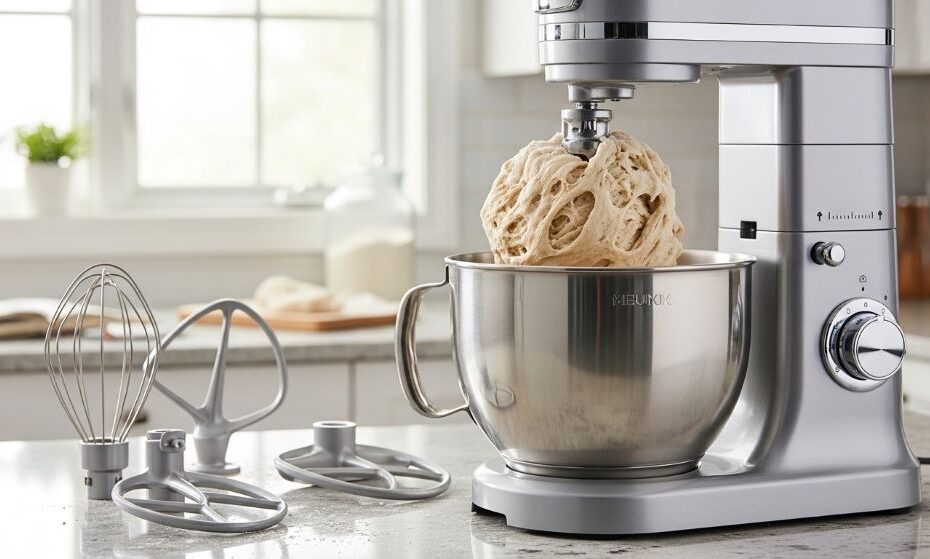
Selecting the right stand mixer can transform your baking experience from frustrating to effortless. These powerful kitchen appliances handle everything from whipping cream to kneading dense bread dough. However, with countless models flooding the market, making the right choice feels overwhelming. This comprehensive guide breaks down the essential factors you need to consider before investing in a stand mixer.
Why Stand Mixers Matter for Home Bakers
Stand mixers free your hands while providing consistent mixing results. Unlike handheld mixers, they sit securely on your counter and handle heavy-duty tasks without requiring constant supervision. Whether you bake occasionally or run a small home bakery, the right mixer becomes an indispensable kitchen companion.
Many home cooks underestimate how much easier baking becomes with proper equipment. A quality stand mixer tackles tasks that would exhaust your arms within minutes. Additionally, these machines offer precision that hand mixing simply cannot match.
Understanding Motor Power and Performance
The motor forms the heart of any stand mixer. Power determines what your mixer can handle and how long it will last. Manufacturers measure motor strength in watts, though this number alone doesn’t tell the whole story.
What the Numbers Really Mean
A mixer wattage guide helps you understand performance expectations. Entry-level models typically operate between 250 and 350 watts. These work well for light tasks like whipping egg whites or mixing cake batter. However, they struggle with thick cookie dough or bread recipes.
Mid-range mixers offer 400 to 600 watts of power. This sweet spot handles most home baking needs comfortably. You can knead bread dough, mix dense batters, and prepare multiple batches without overheating the motor.
Professional-grade units provide 700 watts or more. These powerhouses tackle commercial-level tasks and continuous use. Unless you bake large quantities daily, this level exceeds typical home requirements.
Matching Power to Your Needs
Consider what you plan to make most often. Casual bakers who focus on cakes and cookies need less power than bread enthusiasts. Furthermore, think about batch sizes. Making double recipes regularly requires more motor strength than single batches.
Motor quality matters as much as wattage. Direct-drive motors transfer power more efficiently than belt-driven systems. They also require less maintenance and last longer. Therefore, investigate the motor type before focusing solely on wattage numbers.
Evaluating Bowl Size and Capacity
Bowl size directly impacts how much you can make in one batch. Choosing the wrong capacity leads to either wasted space or frustrating limitations. Understanding your typical batch sizes helps narrow down the options.
Common Capacity Options
Stand mixer bowls range from three quarts to eight quarts. Compact three-quart models suit singles or couples who bake occasionally. They handle small batches efficiently without taking up excessive counter space.
Five-quart bowls represent the most popular choice for families. This size accommodates standard recipes while fitting comfortably on most countertops. You can mix dough for two loaves of bread or batter for three dozen cookies easily.
Six to eight-quart bowls serve serious bakers and large families. These generous sizes handle holiday baking marathons and bulk preparation. However, they require significant storage space and counter real estate.
Bowl Capacity Comparison Insights
When conducting a bowl capacity comparison, think beyond volume numbers. Consider the bowl’s shape and design. Wide, shallow bowls mix some ingredients better, while tall, narrow designs work well for liquid batters.
Material also affects performance. Stainless steel bowls last forever and resist staining. Glass bowls let you see ingredients clearly but add weight. Some mixers include multiple bowl sizes, offering flexibility for different projects.
The relationship between bowl size and motor power matters significantly. A powerful motor with a small bowl wastes potential. Conversely, a large bowl with a weak motor struggles with full batches. Therefore, seek balanced specifications.
Decoding Speed Settings and Controls
Speed control separates basic mixers from versatile workhorses. Different ingredients require different mixing speeds for optimal results. Understanding speed options helps you achieve professional-quality results at home.
How Many Speeds Do You Need
Basic mixers offer three speeds, which handle simple tasks adequately. Mid-range models provide six to ten speeds, giving you more precise control. Professional units may feature twelve or more speed settings.
More speeds don’t automatically mean better performance. What matters most is having the right speeds for your recipes. However, having options between low and high provides better control over texture and consistency.
Speed Settings Explained Simply
Low speeds incorporate dry ingredients without creating dust clouds. They also start the mixing process gently, preventing splashing. Use these settings when combining flour, sugar, and other powders.
Medium speeds work for most general mixing tasks. They cream butter and sugar, beat eggs, and mix batters to proper consistency. This range handles the majority of everyday baking projects.
High speeds whip cream, beat egg whites, and emulsify dressings. These powerful settings incorporate air quickly, creating light, fluffy textures. However, never use high speeds with thick doughs, as this strains the motor.
Special Features Worth Considering
Soft-start functions prevent ingredient splatter by gradually increasing speed. This feature saves cleanup time and ingredient waste. Additionally, pulse options provide short bursts of power for controlled mixing.
Some mixers include countdown timers, helping you achieve exact mixing times. Others offer slow-start technology that prevents flour explosions. These conveniences enhance your baking experience significantly.

Evaluating Attachments and Versatility
Standard mixers include a flat beater, wire whip, and dough hook. These three attachments handle most baking tasks. However, many manufacturers offer additional accessories that expand your mixer’s capabilities.
Essential Standard Attachments
The flat beater mixes regular to heavy batters and doughs. It creams butter, mixes cookies, and handles cake batters efficiently. This workhorse attachment gets the most use in typical kitchens.
Wire whips incorporate air into ingredients quickly. They beat egg whites to stiff peaks, whip cream perfectly, and create light meringues. The thin wires cut through liquids without overmixing.
Dough hooks knead bread dough without manual effort. They develop gluten properly while saving your arms from exhaustion. However, ensure your motor has sufficient power before tackling dense bread recipes.
Optional Attachments That Add Value
Many mixers accept specialized attachments that transform them into multi-purpose machines. Pasta rollers, meat grinders, and spiralizers turn your mixer into a complete food preparation system.
Food processor attachments chop vegetables and shred cheese quickly. Ice cream makers let you create frozen treats at home. These additions justify the higher initial investment for many users.
Consider whether you’ll actually use optional attachments before prioritizing this feature. Additionally, check attachment costs and availability. Some brands offer more affordable accessory options than others.
Assessing Build Quality and Durability
A stand mixer represents a significant investment. Quality construction ensures your mixer lasts for decades rather than years. Several factors indicate whether a mixer will stand the test of time.
Material Matters
Metal construction outlasts plastic components significantly. Die-cast metal heads and bases withstand daily use without cracking or warping. Furthermore, metal gears handle heavy loads better than plastic alternatives.
The mixing head should feel solid and stable during operation. Flimsy construction causes vibration and noise. Quality mixers remain steady even when working through thick dough.
Pay attention to the attachment hub construction. This connection point endures significant stress. Metal hubs with secure locking mechanisms last longer than plastic versions.
Stability During Operation
A heavy base prevents walking during use. Quality mixers weigh between fifteen and thirty pounds. This weight keeps them planted firmly on your counter.
Suction feet provide additional stability. These rubber pads grip smooth countertops effectively. However, test the mixer on your actual counter surface if possible.
Watch for wobbling or excessive vibration during demonstrations. These issues indicate poor balance or construction flaws. A well-built mixer should operate smoothly at all speeds.
Comparing Price Points and Value
Stand mixers range from under one hundred dollars to over five hundred dollars. Understanding what you gain at each price level helps you make an informed decision.
Budget-Friendly Options
Entry-level mixers cost between seventy-five and one hundred fifty dollars. These models handle basic tasks adequately for occasional bakers. They include standard attachments and offer several speed settings.
However, budget models often lack durability. Motors may burn out with frequent use. Additionally, plastic components break more easily than metal parts.
These mixers work well if you bake monthly rather than weekly. They let you explore stand mixer benefits without major financial commitment. Therefore, beginners might start here before upgrading later.
Mid-Range Sweet Spot
Mixers costing two hundred to three hundred fifty dollars offer the best value for most users. They balance performance, durability, and features effectively. These models typically include reliable motors and quality construction.
Mid-range options often come with multiple attachments and useful features. They handle regular baking schedules without issues. Furthermore, they usually carry decent warranties protecting your investment.
This price range suits serious home bakers who use their mixer weekly. The increased quality justifies the higher cost through longevity and performance.
Premium Professional Models
High-end mixers exceed four hundred dollars and can cost over six hundred. These machines feature powerful motors, exceptional build quality, and extensive warranties. They handle commercial-level workloads easily.
Professional models make sense for daily bakers or small business owners. They offer features like bowl-lift mechanisms, precise speed control, and commercial-grade motors. Additionally, they often come with comprehensive attachment sets.
Unless you bake professionally or extremely frequently, premium models exceed typical home needs. However, they represent a lifetime investment for passionate bakers.
Brand Reputation and Warranty Coverage
Established brands typically offer better support and reliability. They’ve refined their designs through decades of customer feedback. Additionally, they maintain parts availability and service networks.
What Warranties Reveal
Warranty length indicates manufacturer confidence. One-year warranties suggest basic quality, while five-year warranties show serious commitment. Some premium brands offer lifetime warranties on specific components.
Read warranty terms carefully. Some cover only manufacturing defects, while others include normal wear. Additionally, check whether warranty service requires shipping the heavy mixer or offers local repair options.
Customer service quality matters when problems arise. Research how responsive companies are to warranty claims. Online reviews often reveal whether manufacturers honor their commitments.
Reading Reviews Wisely
Customer reviews provide valuable real-world insights. However, read them critically. Focus on reviews from users with similar baking habits to yours.
Look for patterns in feedback rather than isolated complaints. Multiple reports of the same issue indicate a genuine problem. Additionally, consider how long reviewers have owned their mixers.
Professional reviews from cooking magazines and websites offer expert perspectives. They test mixers systematically under controlled conditions. These sources help verify manufacturer claims.
Making Your Final Decision
Choosing a stand mixer requires balancing multiple factors. Start by identifying your primary needs and budget constraints. Then narrow options based on power, capacity, and features.
Creating Your Priority List
Write down what you bake most often. This list guides power and capacity decisions. Additionally, consider your kitchen space and storage limitations.
Decide which features matter most to you. Some people prioritize attachments, while others focus on basic performance. Furthermore, think about how often you’ll use the mixer.
Compare your top three choices side by side. Look at specifications, reviews, and prices together. This comparison reveals which option offers the best value for your situation.
Where to Buy
Retail stores let you see mixers in person. You can assess size, weight, and build quality directly. However, online retailers often offer better prices and wider selection.
Watch for sales during major shopping holidays. Stand mixers frequently go on sale, especially around Black Friday and December. Additionally, some manufacturers offer refurbished units at significant discounts.
Consider buying from retailers with generous return policies. This protection lets you test the mixer at home. If it doesn’t meet expectations, you can return it without hassle.
Conclusion
Selecting the perfect stand mixer involves evaluating power, capacity, and features against your specific needs. Understanding motor wattage helps you match power to your baking projects. Comparing bowl capacities ensures you choose the right size for your typical recipes. Knowing how different speed settings work enables better recipe results.
Remember that the most expensive mixer isn’t always the best choice. Instead, focus on finding the model that aligns with your baking frequency and goals. Consider build quality, warranty coverage, and brand reputation alongside basic specifications.
Take time to research thoroughly before investing. A quality stand mixer serves you faithfully for decades, making it worth the effort to choose wisely. Whether you select a budget-friendly starter model or a professional-grade powerhouse, the right mixer transforms your baking experience and expands your culinary possibilities.
Frequently Asked Questions
What wattage stand mixer do I need for bread making?
For regular bread baking, choose a mixer with at least 500 watts of power. This ensures the motor can handle dense dough without straining or overheating. If you make bread frequently or prefer whole grain recipes, consider motors rated at 600 watts or higher. Lower-wattage mixers can knead bread occasionally but may wear out faster with regular use.
How do I know what bowl size is right for me?
Consider your typical recipe sizes and household needs. A five-quart bowl suits most families and handles standard recipes comfortably. If you regularly bake for large gatherings or make multiple batches, choose six quarts or larger. Singles or couples who bake occasionally can manage with three to four-quart bowls, which also save counter space.
Are more speed settings always better?
Not necessarily. While more speeds provide finer control, having the right speeds matters most. Look for mixers offering distinct low, medium, and high settings with several options between them. Ten speeds typically provide enough versatility for home baking. Beyond twelve speeds, the differences become minimal for most users.
Can budget mixers handle heavy dough?
Budget mixers struggle with thick bread dough and large batches of heavy cookie dough. Their lower-wattage motors and lighter construction aren’t designed for demanding tasks. If you plan to make bread or dense doughs regularly, invest in a mid-range mixer with adequate power. Budget models work fine for cakes, cookies, and light batters.
How long should a good stand mixer last?
Quality stand mixers should last fifteen to twenty-five years with proper care. Premium models often function for thirty years or more. Longevity depends on build quality, frequency of use, and maintenance. Regular cleaning, avoiding overload, and following manufacturer guidelines extend your mixer’s lifespan significantly.
Related Topics:
Best KitchenAid Attachments for 2025: Pasta Edition
How Can I Improve My Kitchen Skills? Mastering the Art of Cooking