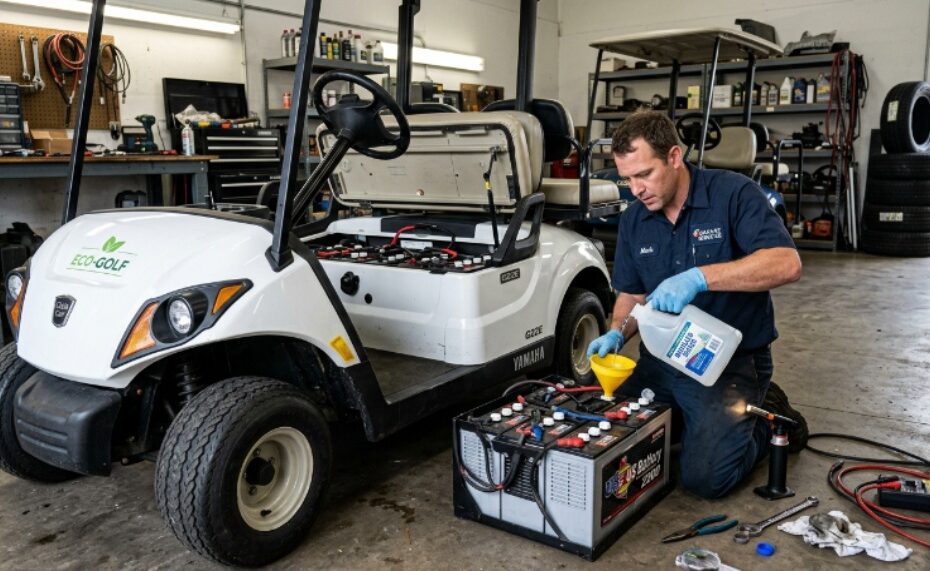
Electric golf carts are practical, quiet, and cost-effective to run. However, like any vehicle, they need regular attention to stay in top shape. Neglecting basic maintenance leads to costly repairs and a shorter lifespan. The good news is that keeping your cart running well does not require professional training or expensive tools. With a consistent routine and a little knowledge, you can protect your investment for many years to come.
This guide walks you through every essential area of electric golf cart maintenance. From the battery to the brakes, each section gives you clear, actionable steps you can follow at home.
Understanding Why Maintenance Matters
Many golf cart owners only think about maintenance when something goes wrong. By that point, the damage is often already done. Regular upkeep prevents small issues from turning into big problems. Additionally, a well-maintained cart holds its resale value far better than one that has been ignored.
Electric carts are simpler than gas-powered ones in some ways. They have fewer moving parts and no engine oil to change. However, they have their own set of needs that require consistent attention. Staying on top of these needs ensures reliable golf cart performance every time you get behind the wheel.
Battery Care: The Heart of Your Electric Cart
The battery is the most important component in any electric golf cart. Without a healthy battery, the cart simply will not run. Therefore, battery care should be the top priority in your maintenance routine.
Most electric golf carts use a series of deep-cycle lead-acid batteries. These batteries are designed to be discharged and recharged repeatedly. However, how you treat them directly affects how long they last.
Follow these key battery care practices:
- Charge after every use: Even if you only used the cart for a short trip, plug it in when you are done. Leaving batteries in a discharged state damages them over time.
- Use the correct charger: Always use a charger that matches your battery voltage. Using the wrong charger can overcharge or undercharge the batteries.
- Check water levels monthly: Lead-acid batteries need distilled water to function. Check each cell once a month and top up with distilled water only. Never use tap water.
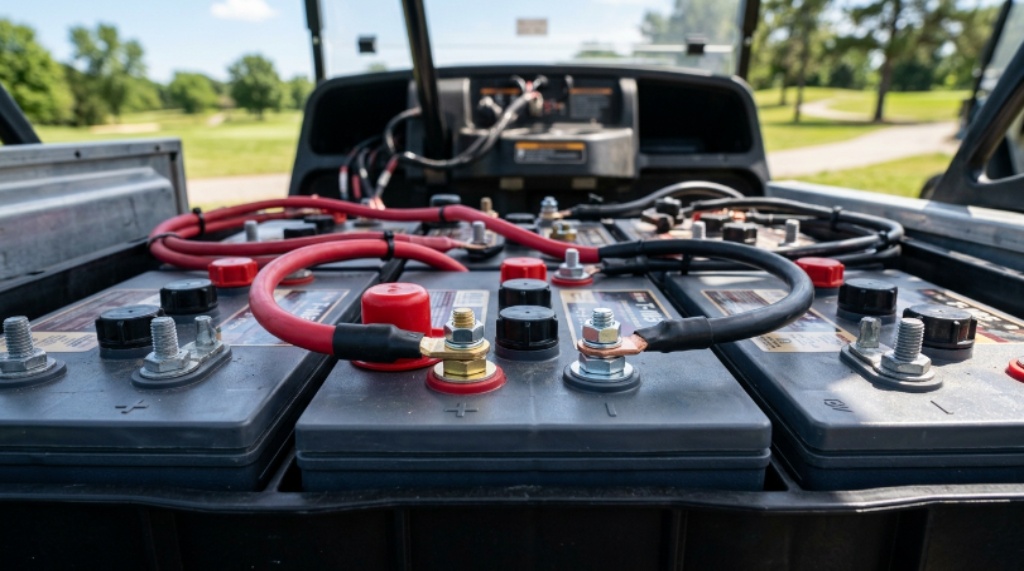
- Keep terminals clean: Battery terminals collect corrosion over time. Clean them with a mixture of baking soda and water, then rinse and dry thoroughly.
- Store properly in off-season: If you store your cart for several months, charge the batteries fully first. Check and recharge them every thirty days during storage.
Good battery care can extend the life of your batteries by several years. That saves you hundreds of dollars in replacement costs.
Tire Maintenance for a Smooth and Safe Ride
Tires are easy to overlook, but they play a major role in how your cart handles. Underinflated tires make the motor work harder, which drains the battery faster. Overinflated tires reduce grip and make the ride rougher.
Check tire pressure at least once a month. Most golf cart tires perform best between fifteen and twenty-five PSI, but always refer to your owner’s manual for the exact specification. Additionally, inspect the tires for visible wear, cracks, or bulges. Replace any tire that shows signs of significant damage.
Rotate your tires every one to two years if you use the cart frequently. This promotes even wear and extends the life of the tires. Furthermore, keep the tires clean by washing off mud, grass, and debris after use. Dirt buildup can cause premature degradation of the rubber.
Keeping the Electrical System in Good Order
The electrical system powers everything in your cart, from the motor to the lights. A fault in the wiring or connections can cause the cart to stop working unexpectedly. Therefore, regular inspection of the electrical system is essential.
Start by visually checking all visible wiring for signs of wear, fraying, or exposed metal. Replace any damaged wires immediately. Loose connections are another common issue. Tighten any connections that feel loose or look corroded.
The solenoid is a key component that acts as a switch between the battery and the motor. If your cart hesitates or clicks when you press the accelerator, the solenoid may be failing. Have it checked by a technician if you suspect a problem.
Additionally, test your lights and indicators regularly. Faulty lighting is not just an inconvenience. On paths shared with pedestrians or other vehicles, it becomes a safety issue.
Brake System Checks You Should Never Skip
Brakes are a safety-critical system. Electric golf carts typically use a combination of regenerative braking and mechanical brakes. Over time, the mechanical brake components wear down and need adjustment or replacement.
Inspect the brakes every six months. Listen for grinding or squealing sounds when you brake. These are signs that the brake pads or shoes are worn. Additionally, if the cart rolls further than usual before stopping, the brakes likely need adjustment.
Most golf carts have a simple cable-operated brake system. The cables can stretch over time, reducing braking effectiveness. Tightening the cables is a straightforward job that you can often do yourself with basic tools.
Cleaning and Body Care to Prevent Long-Term Damage
Keeping your cart clean is more than just cosmetic. Dirt, moisture, and debris can work their way into mechanical components and cause damage. A regular cleaning routine protects both the appearance and the function of your cart.
Wash the cart body with mild soap and water every two to four weeks. Avoid high-pressure washers, especially near electrical components. Dry the cart thoroughly after washing to prevent rust on any metal parts.
Clean the seat upholstery with a gentle cleaner designed for vinyl or fabric. UV exposure fades and cracks seats over time. Therefore, applying a UV protectant spray once or twice a year keeps the seats looking good and lasting longer.
If your cart has a roof, check it for cracks or fading. Replace a damaged roof panel before water leaks into the cart’s electrical components below.
Lubrication: Keeping Moving Parts Smooth
Electric golf carts have several moving parts that need lubrication to function well. These include the steering components, suspension joints, and wheel bearings.
Apply a suitable grease or lubricant to these components every three to six months. Dry or under-lubricated parts wear out faster and create annoying noises. However, avoid over-lubricating. Too much grease attracts dirt and can cause just as many problems as too little.
Check the front wheel bearings annually. Worn bearings cause a humming or growling noise while driving. Replacing them early is far cheaper than waiting until they fail completely.
Seasonal Maintenance and Storage Tips
How you prepare your cart for the off-season has a big impact on its condition when you take it out again. Skipping seasonal maintenance is one of the most common reasons carts deteriorate faster than they should.
Before storing, clean the entire cart thoroughly. Check and top up all battery water levels. Charge the batteries to full capacity. Inflate the tires to the correct pressure to prevent flat spots from developing during storage.
Store the cart in a dry, covered location away from direct sunlight and freezing temperatures. If possible, place it on a trickle charger so the batteries stay topped up throughout the storage period. When you bring the cart back out, charge the batteries fully before use and inspect all systems before your first ride.
Creating a Maintenance Schedule That Works
Consistency is the key to good golf cart upkeep. Creating a simple schedule takes the guesswork out of the process and ensures nothing gets missed.
A practical schedule looks like this:
- After every use: Plug in the charger and wipe down the cart.
- Monthly: Check battery water levels, tire pressure, and clean terminals.
- Every six months: Inspect brakes, lubricate moving parts, and check wiring.
- Annually: Inspect wheel bearings, rotate tires, and deep clean the entire cart.
- Before storage: Full battery charge, pressure check, and thorough cleaning.
Following this routine keeps your cart in reliable condition year after year without requiring a large time commitment.
Conclusion
Maintaining an electric golf cart is not complicated. It simply requires attention, consistency, and a willingness to act before small problems grow. Battery care is the single most important habit you can build. Keep the batteries charged, clean, and properly watered. Beyond that, regular tire checks, brake inspections, and electrical system reviews protect your cart from avoidable breakdowns.
Good golf cart upkeep does not demand hours of work every week. A few minutes after each use, combined with monthly and seasonal checks, is enough to ensure strong golf cart performance for many years. Take care of your cart, and it will take care of you on every ride.
Frequently Asked Questions
How often should I charge my electric golf cart batteries?
You should charge your batteries after every use, regardless of how far you drove. Leaving batteries in a discharged state accelerates their decline and shortens their overall lifespan significantly.
How long do electric golf cart batteries typically last?
With proper care, deep-cycle lead-acid batteries last between four and six years. Lithium batteries can last even longer, often up to ten years, with the right maintenance habits.
What type of water should I use to top up my golf cart batteries?
Always use distilled water. Tap water contains minerals that cause buildup inside the battery cells, which reduces their capacity and lifespan over time.
How do I know when my golf cart brakes need servicing?
Listen for grinding or squealing when you brake, or notice if the cart takes longer than usual to stop. Both are signs that your brakes need inspection, adjustment, or part replacement.
Can I store my electric golf cart outside during winter?
It is not recommended. Cold temperatures and moisture can damage the batteries and electrical components. Store the cart in a dry, covered space and keep the batteries on a trickle charger throughout the storage period.