
Upgrading your garage walls and floors is more than just a cosmetic change. It’s an investment in the longevity, functionality, and cleanliness of your space. Many homeowners overlook the potential of their garage to become a clean, organized, and functional area. With modern, durable, and easy-to-clean materials, you can transform your garage into a space that not only adds value to your home but also makes it more user-friendly.
Why Should You Upgrade Your Garage Walls and Floors?
Garages are often one of the most overlooked spaces in a home. They are subject to dirt, oil stains, grime, and wear and tear from the constant flow of cars and equipment. A well-maintained garage can increase your property’s value by up to 10%. According to a report by the National Association of Realtors, investing in garage improvements can yield a significant return on investment (ROI).
When considering a garage upgrade, durability, ease of cleaning, and aesthetics should be the top priorities. Not only do you want your garage to look great, but you also want materials that can stand up to the harsh conditions typically found in this space.
What’s the best flooring for a garage workshop?
For a garage workshop, epoxy coatings win. They resist oil, chemicals, and heavy tools, lasting 10-20 years. Costing $200-$800 for 500 square feet, they’re tough—handling 10,000 psi, per specs. Rubber tiles, at $2-$5 per square foot, cushion feet for long hours, absorbing sound. Tiles install fast, no curing, but may shift without glue. Concrete cracks in 25% of cases within five years, says Flooring Inc. Epoxy shines for durability; rubber excels for comfort. Pick epoxy for heavy-duty, tiles for standing ease. Prep well—clean and level first.
Modern Materials for Garage Walls and Floors
There is no shortage of materials to choose from when it comes to upgrading your garage. Each material offers its unique set of benefits, ensuring you find the right option for your specific needs.
-
Epoxy Flooring for Durability and Easy Maintenance
One of the best flooring options for garages is epoxy. Epoxy coatings are highly durable, resistant to stains, and easy to clean. This type of floor can handle high traffic, vehicle leaks, and the rough demands of a garage space. Epoxy floors are also slip-resistant, making them a safer option, especially if you’re working with heavy machinery or vehicles.
According to HomeAdvisor, epoxy flooring can last up to 10 years with minimal maintenance, making it one of the best long-term investments you can make for your garage. Epoxy is also resistant to oil, chemicals, and stains, ensuring that your garage remains spotless with minimal effort. However, one downside is that it can be prone to chipping or cracking if not properly applied or maintained.
-
Polyurethane Coatings for Enhanced Durability
Polyurethane coatings are another excellent option for garage floors. Like epoxy, they offer long-lasting protection against oils, chemicals, and stains, but they are more flexible and tend to be more resistant to wear. Polyurethane floors are easier to maintain than traditional concrete floors and provide a glossy, sleek finish that enhances the overall look of your garage.
A major benefit of polyurethane is that it tends to resist yellowing and fading over time, which is something epoxy flooring can struggle with, especially under heavy UV exposure. However, it is more expensive compared to epoxy.
-
Vinyl Wall Panels for Aesthetic Appeal and Protection
When upgrading garage walls, vinyl panels are a popular choice. They offer durability and ease of maintenance. These panels are moisture-resistant, which prevents mold and mildew buildup, a common issue in garages. They are also available in a variety of colors and designs, allowing homeowners to create a more personalized and polished space.
Vinyl panels are easy to install and remove, making them a flexible option for homeowners looking to refresh their space without significant renovations. However, one con of vinyl wall panels is that they may not be as sturdy as traditional drywall or plywood and could be prone to scratches and dents over time.
-
Drywall and Plywood for Traditional Look and Customization
For those who prefer a traditional look for their garage, drywall and plywood are viable options. Drywall is a versatile material that can be painted to match your home’s interior design. Plywood, while a more rustic option, offers superior strength and durability. Both materials are more affordable than vinyl or coated options, though they do require more maintenance to keep clean.
Drywall has a downside, as it’s susceptible to moisture and can become damaged over time, especially in a humid environment like a garage. Plywood is more resistant but could still suffer from water damage if not treated properly.
-
Insulated Panels for Year-Round Comfort
Insulated wall panels provide an extra layer of protection against extreme temperatures. Whether it’s summer heat or winter cold, insulated panels keep your garage more comfortable by maintaining a stable temperature. This is a great option if you use your garage as a workspace or additional living area.
These panels are often made of materials such as polystyrene or polyisocyanurate, offering a combination of thermal protection and soundproofing. They are easy to clean and come in various finishes, but the installation can be more costly compared to traditional options.
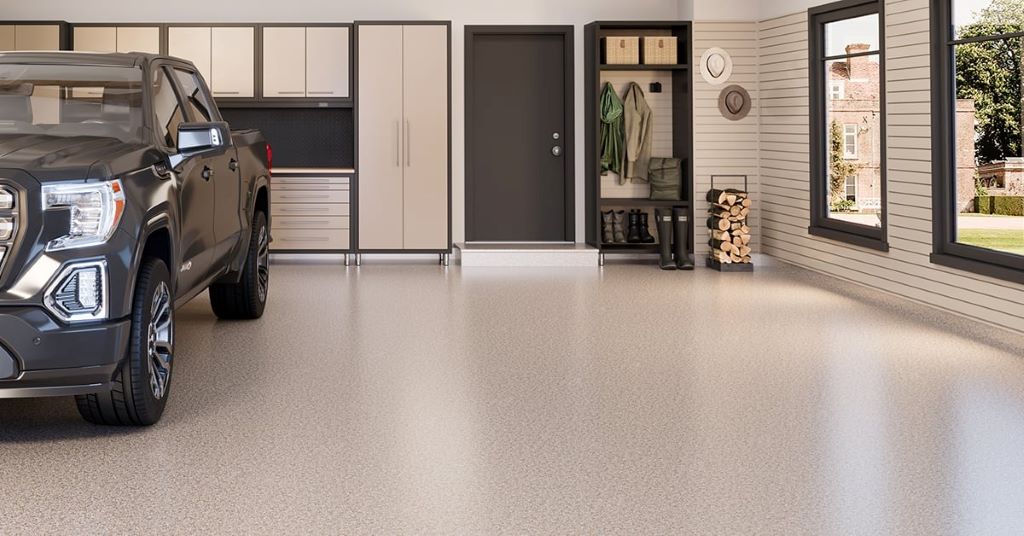
The Benefits of Upgrading Your Garage Walls and Floors
Upgrading your garage walls and floors offers several benefits beyond aesthetics. Let’s dive into why it’s worth considering an upgrade.
-
Increased Property Value
As mentioned earlier, home improvements in key areas like the garage can increase your home’s value. A clean, organized, and aesthetically pleasing garage is an attractive feature for potential buyers, making it a worthwhile investment.
-
Improved Organization and Functionality
With durable, easy-to-clean surfaces, you can organize your garage better and keep it clean. Storage racks, shelves, and cabinets will become more effective, and you’ll have a tidy, clutter-free space that’s easier to navigate.
-
Easier Maintenance
Easy-to-clean surfaces, such as epoxy floors and vinyl wall panels, reduce the time and effort needed to maintain your garage. A quick sweep or mop is all it takes to keep your garage looking pristine.
Pros and Cons of Garage Wall and Floor Upgrades
Pros
- Enhanced Durability: Modern materials like epoxy, polyurethane, and vinyl are built to last and resist wear and tear.
- Easy to Maintain: Many of the new materials are non-porous, making them easier to clean and maintain.
- Improved Aesthetic Appeal: Whether you choose vinyl panels or epoxy floors, your garage will look much more appealing after an upgrade.
- Increased Functionality: With the right materials, you can increase the functionality of your garage space, making it safer and more organized.
Cons
- Cost: Some modern materials can be expensive upfront, particularly high-quality vinyl panels or polyurethane coatings.
- Installation Time: Some materials, like epoxy coatings, require a professional installation, which can take time and extra labor.
- Long-Term Maintenance: While the materials are durable, they still need maintenance over the years, such as resealing or touching up the finish.
Cost vs. Value Breakdown
A 400-square-foot garage epoxy floor costs $400-$800, adding $5,000-$10,000 to home value, per GEICO Living. Pegboards at $50 boost organization, indirectly raising appeal. Tiles at $1,600 total offer resale perks—buyers love low upkeep. Cheap paint fades fast, wasting cash. Invest wisely; 85% of renovation costs recoup, says a 2023 Remodeling Magazine study. Durability pays off.
Maintenance Made Simple
Sweep epoxy weekly, mop monthly—good as new. Tiles need edge checks yearly; glue loose ones. PVC walls dust off in seconds. Rubber mats hose down outside. Skip harsh chemicals—mild soap works. The Spruce notes sealed floors cut dust 70%. Easy upkeep keeps your garage pristine.
Professional Tips for Garage Wall and Floor Upgrades
- Plan for Proper Drainage: Ensure that your garage floor slopes slightly toward a drain to prevent water pooling.
- Choose Slip-Resistant Materials: Whether you opt for epoxy or polyurethane floors, ensure that the material is slip-resistant to avoid accidents.
- Ensure Proper Ventilation: Good ventilation in your garage is crucial for maintaining air quality, especially if you’re working with chemicals or oils.
FAQs
-
How long do epoxy floors last in a garage?
Epoxy floors can last up to 10 years or more with proper care and maintenance.
-
Are vinyl wall panels easy to install?
Yes, vinyl wall panels are relatively easy to install and can be done as a DIY project.
-
Can polyurethane coatings yellow over time?
Polyurethane coatings resist yellowing better than epoxy, making them a great option for high-UV exposure areas.
-
How do I clean epoxy garage floors?
Regular sweeping and occasional mopping with a gentle cleaner is enough to maintain epoxy floors.
-
What’s the best way to protect plywood walls in a garage?
Plywood can be treated with a moisture-resistant coating to protect it from damage over time.
-
Is it necessary to insulate my garage walls?
If you use your garage for activities like workshops or as a living space, insulation is a great way to improve comfort year-round.
-
Can I install these upgrades myself?
Some materials, like vinyl panels and paint, can be installed by DIY enthusiasts. However, for more complex materials like epoxy, professional installation is recommended.
-
How do I clean epoxy floors?
Sweep weekly, mop with mild soap monthly. Oil wipes off easy, no scrubbing.
-
Are rubber tiles worth it?
Great for cushioning, but hot tires stain. Glue them for stability, says Family Handyman.
-
What wall option suits humid climates?
PVC panels resist moisture best, costing $30-$40 per sheet—perfect for damp garages.
Conclusion
Upgrading your garage walls and floors to modern, durable, and easy-to-clean options not only transforms the space but also makes it more functional and easier to maintain. Whether you choose epoxy floors, vinyl panels, or insulated walls, these improvements will enhance your garage’s appearance and usability, offering long-term benefits for you and your home. Don’t overlook the potential of your garage—invest in upgrades today for a cleaner, more organized, and more valuable space tomorrow.
Read More: How to Epoxy a Garage Floor: A Step-by-Step Guide