
If you use UVB lighting for reptiles, tanning, plant growth, or scientific purposes, you’ve probably wondered: “How do I know if my UVB light is still working properly?”
Unlike ordinary light bulbs, UVB bulbs can continue glowing visibly while their UVB output fades over time. This means your pet, plants, or experiment could be getting little to no usable UVB — even if the light looks fine.
In this guide, you’ll learn how to test UVB light accurately, why it matters, what tools to use, and how often you should check your bulbs. We’ll also cover safety tips for handling UV radiation and common mistakes to avoid.
Why Testing UVB Light Is Important
Before we get into testing methods, it’s worth understanding why UVB testing matters.
- Reptile health: Many reptiles need UVB exposure to synthesize vitamin D3, which is essential for calcium absorption. Without enough UVB, they risk metabolic bone disease and other serious health issues.
- Human applications: In tanning beds or phototherapy treatments, correct UVB levels are critical for both effectiveness and safety.
- Plant growth: Certain horticultural setups require UVB to stimulate plant defenses and improve growth quality.
- Research accuracy: In laboratories, incorrect UVB intensity can compromise experimental results.
The key takeaway: visible light ≠ UVB output. That’s why regular testing is essential.
Tools You Can Use to Test UVB Light
There are several reliable ways to measure UVB output, ranging from affordable DIY options to professional-grade equipment.
- UVB Meter (Solarmeter 6.5 or Similar)
- Best for: Reptile keepers, researchers, and serious hobbyists.
- How it works: Measures UVB radiation directly in microwatts per square centimeter (µW/cm²) or gives a UV Index (UVI) reading.
- Pros: Highly accurate, instant results, easy to use.
- Cons: Higher cost (typically $200+), but worth it for frequent testing.
How to use:
- Turn on the UVB light and let it warm up for about 5–10 minutes.
- Hold the meter’s sensor at the same distance your subject (reptile, plant, etc.) would be from the light.
- Record the reading and compare it to the recommended UVI or µW/cm² levels for your application.
- Test again every 3–6 months to track decline.
-
UV Test Cards
- Best for: Occasional home checks or budget-conscious users.
- How it works: Cards change color when exposed to UVB light, indicating presence and approximate strength.
- Pros: Inexpensive, easy to use, no batteries required.
- Cons: Less precise, mostly a yes/no result rather than exact measurement.
How to use:
- Place the UV test card at the same distance as your subject would be from the bulb.
- Expose for the time stated in the instructions (usually 10–60 seconds).
- Compare the card’s color change to the provided chart.
-
Spectrometer
- Best for: Scientific and industrial applications.
- How it works: Measures light wavelengths and intensity, showing exactly how much UVB (280–315 nm) is emitted.
- Pros: Extremely accurate, provides a detailed spectrum.
- Cons: Very expensive, overkill for casual use.
How to Know If Your UVB Bulb Is Failing Without Tools
While testing devices are the most reliable method, there are signs that your UVB bulb’s output may have dropped:
- Bulb is older than 6–12 months (most UVB bulbs lose effectiveness within a year).
- Your reptile shows signs of lethargy, weak bones, or poor appetite despite proper care.
- Plants that previously thrived under the light are now growing weak or leggy.
- You’ve noticed no improvement in phototherapy or tanning results.
Tip: Always note the installation date on your UVB bulb with a marker. This helps you replace it before performance drops too low.
Step-by-Step: How to Test UVB Light With a UVB Meter
If you’ve invested in a meter, here’s the proper process to ensure accurate readings:
- Warm Up the Bulb
Let the light run for at least 5 minutes. Some bulbs need up to 15 minutes to reach stable output. - Position the Meter Correctly
Hold the sensor perpendicular to the bulb at the target distance (where your pet or object normally is). - Avoid Ambient Interference
Test in a room without other UVB sources, and avoid direct sunlight hitting the sensor. - Take Multiple Readings
Measure at the center and edges of the bulb’s coverage area to check for uneven distribution. - Compare to Recommended Levels
- Reptiles: Desert species may require UVI 3.0–6.0; forest species typically need UVI 1.0–2.5.
- Plants: Check horticultural UVB guidelines for specific crops.
- Medical/Tanning: Follow professional safety and dosage standards.
Common Mistakes to Avoid When Testing UVB Light
- Testing too close to the bulb: This can give an artificially high reading. Always test at your actual usage distance.
- Not warming up the light: UVB output changes after warm-up; testing too soon can mislead you.
- Relying on visible light: Just because it glows doesn’t mean it emits UVB.
- Ignoring reflector condition: Dusty or damaged reflectors can significantly reduce UVB output.
Safety Precautions When Testing UVB Light
UVB light is beneficial in the right dose but can be harmful if mishandled. Always:
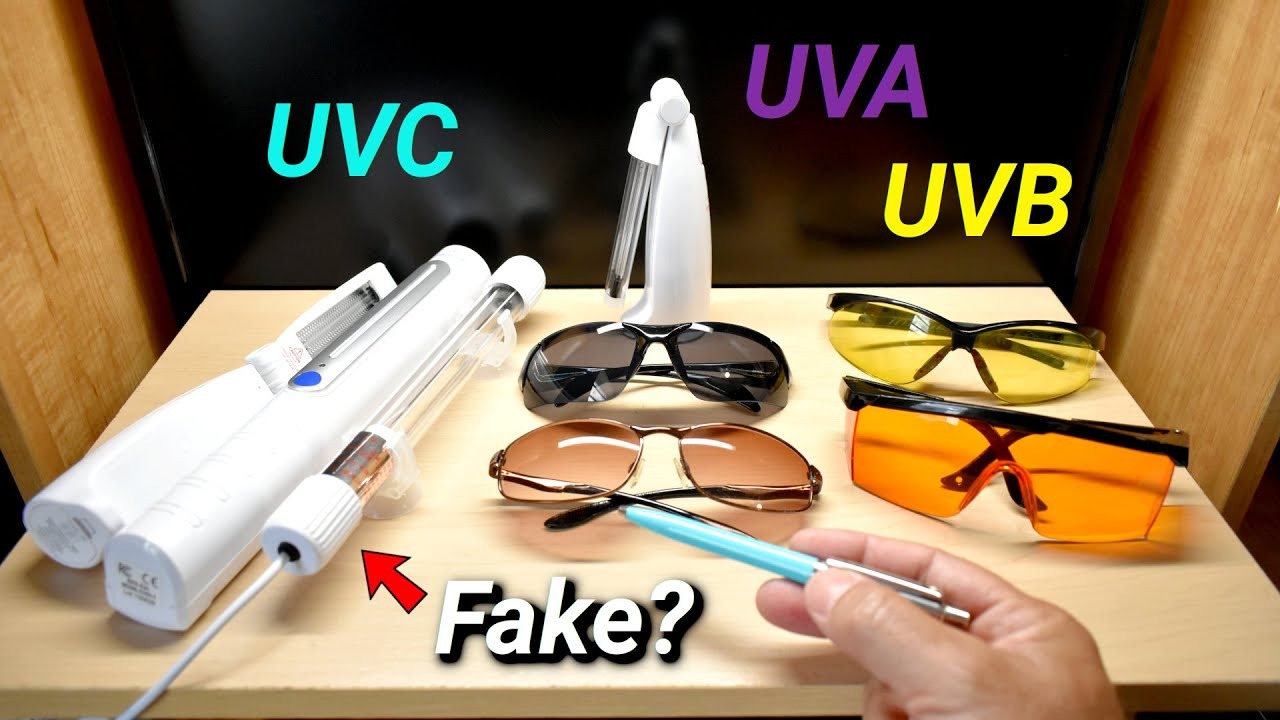
- Avoid direct eye exposure — wear UV-rated safety glasses if needed.
- Limit skin exposure during testing.
- Turn off the light when not in use to reduce unnecessary UVB exposure.
- Keep children and pets away during testing.
How Often Should You Test UVB Bulbs?
The frequency depends on your setup:
- High-quality bulbs: Test every 3–6 months.
- Budget or compact bulbs: Test every 2–3 months, as these often degrade faster.
- Critical applications (research/medical): Test before each use.
Most UVB bulbs should be replaced every 6–12 months, regardless of appearance.
Related Topic: Strategies for Driving Home Sales
FAQ: How to Test UVB Light
Q1: Can I test UVB light with my phone?
No. Phone cameras and apps can’t measure UVB radiation accurately. You need a dedicated UVB meter or test card.
Q2: Does a regular light meter work for UVB?
No. Standard light meters measure visible light (lux or lumens), not ultraviolet radiation.
Q3: My UVB light is still bright. Does that mean it works?
Not necessarily. UVB output often declines long before the visible light fades.
Q4: What’s the safest UVB testing method for beginners?
A UV test card is simple and safe. For ongoing monitoring, invest in a UVB meter.
Q5: How can I extend my UVB bulb’s life?
Keep bulbs clean, avoid excessive on/off cycling, and use high-quality reflectors.
Related Topic: Car’s Paint Needs Correction After Years of Use
Final Thoughts
Knowing how to test UVB light is critical for anyone relying on it for reptile care, plant growth, tanning, or research. The best method is to use a UVB meter for accurate readings, but UV test cards can work for quick checks.
Remember — UVB bulbs have a limited lifespan, and their performance can drop even while they look fine. By testing regularly, you protect the health of your reptiles, plants, or patients, and ensure your setup is safe and effective.