

Key Takeaways
- Car paint is susceptible to degradation from environmental factors, including UV rays, road debris, and weather exposure.
- Common signs of paint wear include swirl marks, oxidation, water spots, fading, and discoloration.
- Neglecting paint correction can diminish your vehicle’s aesthetic value and lead to further, costlier damage.
- Professional paint correction restores a vehicle’s appearance and provides long-term protection.
- Consistent preventative care maintains your car’s paint integrity and protects its value over time.
Understanding Paint Degradation Over Time
Your car’s exterior paint acts as its protective shield, constantly battling sun, rain, grit, and pollution. Over hundreds of trips from daily commutes to weekend adventures, paint inevitably fades and loses its initial vibrancy. Exposure to relentless UV rays, road debris, and erratic weather gradually chips away at your vehicle’s clear coat and color, dulling the once-pristine surface. To maintain lasting brilliance on your automotive investment, regular, specialized care is essential.
Beyond the obvious enemies, such as sun and rain, everyday washing often accelerates paint degradation. Swirling marks and scratches may appear after cleaning with rough cloths, abrasive pads, or poorly maintained automated car wash bristles. These small imperfections accumulate, scattering light and detracting from your car’s shine. Routine correction work, aimed at addressing these flaws, is necessary to prevent minor issues from developing into significant problems. Companies like Reflective Rides specialize in professional paint correction and detailing services, ensuring your vehicle maintains a showroom-quality finish while minimizing damage from daily wear.
There’s also the threat of chemical contaminants, everything from urban smog and acid rain to tree sap and bird droppings. When left unchecked, these substances chemically bond with your vehicle’s finish, causing etching, discoloration, and even penetrating layers beneath the surface. Seasonal swings in temperature can create micro-cracks, compounding the risk of paint and metal deterioration.
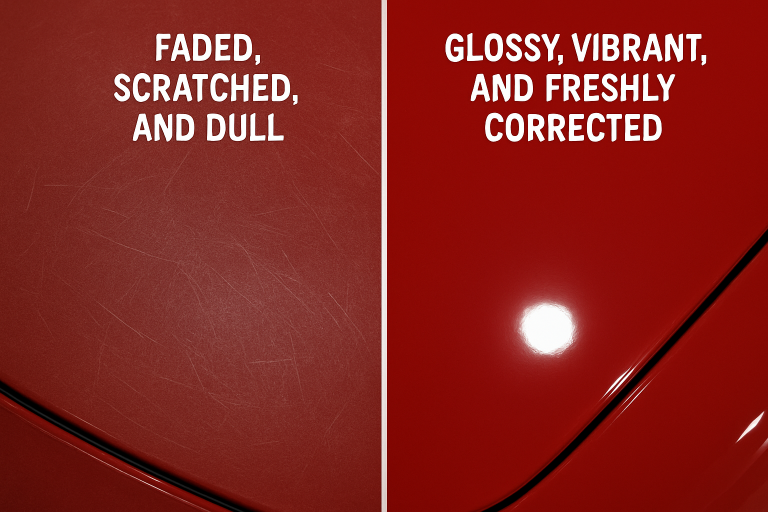
Common Signs Indicating the Need for Paint Correction
- Swirl Marks and Scratches: Look for swirling lines and fine scratches, which are usually the result of improper cleaning methods or accidental surface abrasions.
- Oxidation: Years in the sun can cause paint to oxidize, making it look faded, chalky, or cloudy rather than fresh and glossy.
- Water Spots and Etching: Stubborn marks left by hard water or mineral deposits may form rings and blemishes that ordinary cleaning cannot remove.
- Fading and Discoloration: Direct UV exposure over time causes a loss of pigment, resulting in a patchy or unevenly colored surface.
The Consequences of Neglecting Paint Correction
Failure to address visible imperfections in your vehicle’s paint doesn’t just diminish its attractiveness. Even small chips, scratches, or patches of oxidation compromise the protective seal, exposing the metal beneath. Over time, moisture can seep under the breached surface, triggering rust and corrosion that threaten your car’s structural integrity and safety.
- Reduced Aesthetic Appeal: A dull, blemished paint job projects neglect, diminishing your car’s curb appeal and undermining first impressions.
- Decreased Resale Value: Vehicles exhibiting obvious signs of paint wear and tear are significantly less desirable to potential buyers, directly impacting your return on investment.
- Potential for Further Damage: Paint imperfections can expand if left unchecked, necessitating more severe and expensive interventions in the future, including complete repainting or rust repair.
Benefits of Professional Paint Correction
Professional paint correction involves meticulous work by trained specialists armed with advanced tools and products. This process smooths out swirl marks, eliminates shallow scratches, removes water spots, and restores clarity to oxidized surfaces. The results can make even older vehicles look nearly new again.
- Restored Shine and Clarity: Specialist polishes and techniques revive your car’s depth and gloss, making it visually striking.
- Enhanced Protection: Modern corrections often finish with ceramic or synthetic sealants, adding durable protection against pollutants, UV rays, and further abrasion.
- Increased Longevity: By restoring the surface and guarding against new damage, paint correction extends the exterior’s lifespan and overall value.
Steps Involved in the Paint Correction Process
- Thorough Cleaning: The vehicle’s surface is thoroughly washed and decontaminated to ensure all grit is removed, preventing new scratches during the next steps.
- Paint Inspection: Paintwork is closely examined under specialized lighting to identify every swirl, scratch, and area of oxidation.
- Polishing: Technicians use machine polishers and fine abrasives to smooth out surface flaws and revive the original luster meticulously.
- Sealing: A high-performance sealant—either synthetic or ceramic—is applied to lock in the shine and shield against new environmental threats.
Preventative Measures to Maintain Paint Integrity
Preserving your paint’s beauty and protection comes down to consistent, gentle care. Always wash using soft microfiber towels and pH-balanced shampoos, steering clear of harsh brushes and abrasive cleaners. Regular waxing or applying a ceramic coating creates a hydrophobic layer that repels water, road salt, and other contaminants. For a more detailed guide on restoring and maintaining your vehicle’s finish, see MotorWeek’s paint correction guide. Even strategic parking, such as opting for shade or using a car cover, protects against UV-related wear.
- Regular Washing: Prioritize careful, gentle removal of dust and debris to avoid micro-scratches.
- Protective Coatings: Consider investing in ceramic coatings, waxes, or paint protection films for extra security against everyday hazards.
- Mindful Parking: Park away from direct sunlight whenever feasible, and use a cover for long-term outdoor storage.
Conclusion
Time, weather, and everyday driving take a toll on your car’s exterior, but proactive paint correction coupled with preventative habits can transform and protect even aging finishes. Recognizing early signs of damage and entrusting your vehicle to professionals can revive its shine, prevent structural issues, and maximize resale value. With a little diligence and regular care, your car can remain as brilliant and captivating as the day it left the showroom.