
Texas golf is a unique beast. Between the scorching summer heat, relentless coastal winds, and hard, fast fairways, the average golf ball behaves very differently here than it does in cooler, wetter climates. The best golf balls for Texas golfers must resist excessive spin in the wind, maintain durability on baked-out terrain, and deliver consistent distance when the humidity is high. Choosing the wrong ball can cost you ten strokes a round if you are fighting the elements instead of working with them.
The Texas Climate vs. Standard Golf Ball Design
Most recreational golf balls are designed for moderate conditions around 70°F. When temperatures climb into the 90s or triple digits, the air density changes. A ball that feels soft in spring can actually fly too high and get knocked down by wind in Texas. Additionally, the firm ground interacts differently with the cover material. Urethane covers can scuff easier on rocky, dry lies, while Surlyn covers tend to hold up better.
Wind Resistance: The Unsung Hero of Texas Golf
Whether you are playing in the Hill Country, the Panhandle, or along the Gulf Coast, wind is your constant opponent. Golf balls for Texas golfers need a lower launch angle and reduced spin off the driver to cut through gusts. Look for models with a high MOI and a dimple pattern designed to stabilize flight in breezy conditions. A ball that wants to balloon is useless when a 20 mph wind is blowing.
Durability on Hard, Baked Fairways
Texas fairways in August are like concrete covered in straw. A premium urethane ball might feel amazing on the green, but after one cart path bounce or a hard fairway hit, you could be looking at a scuffed cover. Many local players prioritize a slightly firmer feel in exchange for a cover that lasts an entire round without looking beat up.
What Construction Characteristics Matter Most for Texas Conditions?
The construction of a golf ball directly influences its performance in wind, heat, and on firm turf. For Texas players, a three-piece or four-piece ball with a firm compression rating typically outperforms soft two-piece designs. The key is finding a balance between feel around the greens and stability in the air.
Compression Ratings: Soft vs. Firm in the Heat
Compression measures how much the ball deforms under impact. In cooler weather, players often prefer low compression (70-80) to achieve distance. But in Texas summer heat, a low compression ball can feel like a marshmallow. A medium to high compression ball (90-105) maintains its integrity better, gives you a more consistent feel, and helps keep spin rates down, which is critical for controlling ball flight in the wind.
Cover Material: Urethane vs. Surlyn for Texas Lies
Urethane offers superior spin and control on approach shots and around the green. However, on a dry, hard Texas lie, urethane can rip and tear. Surlyn is more durable and tends to spin less, which can be an advantage in the wind. The best golf balls for Texas golfers who want the best of both worlds are often premium urethane models with a slightly thicker cast layer designed for added durability.
Dimple Patterns and Ball Flight
Dimples create lift and reduce drag. In Texas, you need a dimple pattern that promotes a penetrating ball flight rather than a high, towering one. Look for designs that emphasize a flatter trajectory. Some manufacturers use hexagonal or multi-depth dimples specifically to improve aerodynamics in windy conditions. A ball that launches low and stays low will hold its line much better than one that launches high and spins excessively.
Which Golf Ball Models Perform Best in Texas Wind and Heat?
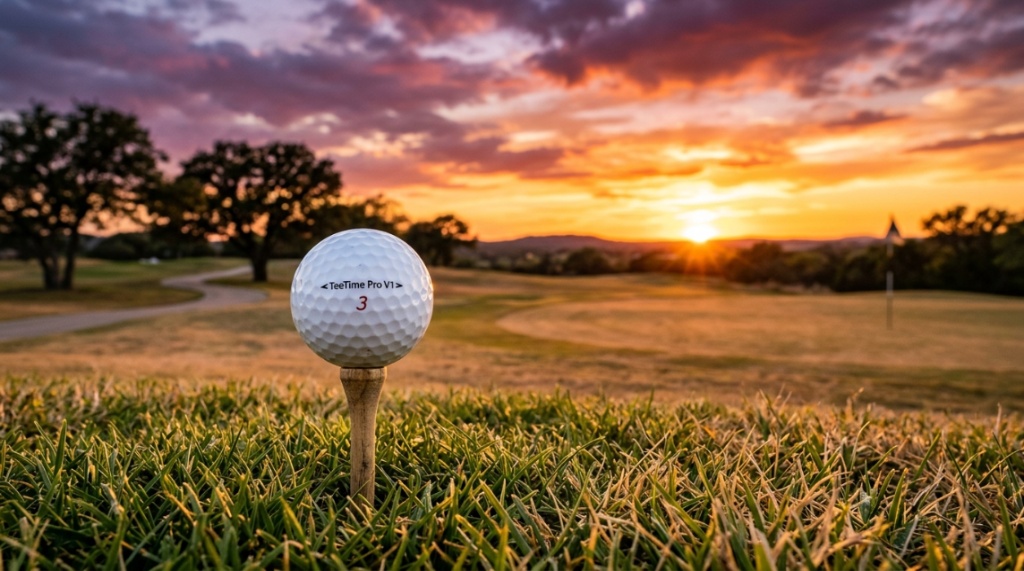
Not all premium balls are created equal when the mercury rises. Certain models have been engineered to thrive in the harsh conditions Texas offers. Based on real-world testing and feedback from local club pros, a few models stand out above the rest for their consistency in wind and durability on firm ground.
The Titleist Pro V1x vs. Pro V1 for Texas
The Pro V1x offers a higher flight and more spin than the standard Pro V1, which can be a problem in wind. For Texas conditions, the standard Pro V1 is often the better choice because it launches lower and penetrates the air more effectively. The Pro V1 also has a slightly firmer feel that works well in the heat, and its cover holds up surprisingly well on firm fairways.
TaylorMade TP5x: Built for Speed and Wind Control
The TaylorMade TP5x is a five-layer ball designed for players who want maximum distance without sacrificing control. Its high compression rating makes it ideal for hot weather because it doesn’t over-expand. The aerodynamic dimple pattern is one of the best in the industry for maintaining stability in crosswinds. This is a top recommendation for any Texas player with a swing speed over 95 mph.
Bridgestone Tour B X and the “Bite” Factor
Bridgestone’s Tour B X is specifically engineered for firmer swingers and firmer conditions. It features a gradational core that lowers spin off the driver while maintaining spin on short irons. Many Texas players love the Gradational Compression Core which feels firm but still provides excellent greenside control. It also has a durable urethane cover that resists scuffing better than many competitors.
How Do You Match a Golf Ball to Your Swing Speed in Texas?
Your swing speed is the single most important factor in choosing a ball, regardless of where you live. In Texas, the heat can actually increase your swing speed slightly as muscles are warmer and more flexible. However, the ball itself will fly farther in the heat. You need to match your ball to your true swing speed to optimize launch angle and spin.
Low Swing Speed (Under 85 mph)
If you swing under 85 mph, a low compression ball (around 70-80) will help you maximize distance. In Texas heat, this combination can be very effective because the ball compresses easily and launches quickly. However, be careful about excessive spin. Look for low spin models from Wilson or Srixon that will give you distance without ballooning in the wind.
Medium Swing Speed (85-105 mph)
This is the sweet spot for most male golfers in Texas. A medium to firm compression ball (85-95) is ideal. The golf balls for Texas golfers in this category include the Callaway Chrome Soft X or the Titleist Pro V1. These balls offer a great balance of distance, feel, and wind performance. They are firm enough to hold their shape in the heat but soft enough for good greenside control.
High Swing Speed (105+ mph)
Players with high swing speeds need the firmest balls available to prevent the ball from spinning too much off the driver. In Texas conditions, this is even more critical. The TaylorMade TP5x and Bridgestone Tour B X are excellent choices. These balls will produce a penetrating flight that cuts through the wind and holds its line, which is a massive advantage on exposed Texas courses.
Can You Use a Premium Golf Ball on a Budget in Texas?
The short answer is yes, but you have to be smart about it. The heat and hard ground can chew up expensive golf balls quickly. Many Texas golfers mix premium balls for important shots with mid-tier balls for practice or casual rounds. The key is knowing which budget-friendly balls offer performance that rivals the expensive models in Texas conditions.
Best Value Premium Options
Titleist Tour Soft and Callaway Supersoft are popular in Texas for a reason. They are affordable, durable, and offer a low launch with low spin. They are not as soft as their name suggests when the temperature hits 100°F, but they perform admirably. For players who want a urethane cover without the premium price, the Vice Pro or Snell MTB Prime are outstanding options that can often be purchased in bulk.
Used and Lake Balls: A Texas Golfer’s Secret
Because Texas courses have so many water hazards, “lake balls” or recycled premium balls are widely available. Buying used Pro V1s or TP5s from a reputable source can save you 50% or more. However, be cautious about balls that have been sitting in hot water for months. A good rule is to buy “mint” or “near mint” grade used balls from a known recycler. They will perform very close to new and are ideal for Texas conditions where losing a ball to a water hazard is a real risk.
Why Is Buying from a Trusted Source Important for Texas Golfers?
Counterfeit golf balls are a massive problem in the industry. In Texas, where heat can already degrade a ball’s performance, using a fake ball is a recipe for disaster. Counterfeit balls often have inconsistent compression, poor dimple patterns, and covers that crack after one or two rounds. You need a reliable source to ensure you are getting genuine products that will perform as advertised.
Spotting Counterfeit Golf Balls
Real golf balls come in sealed packaging with consistent printing. Look for the alignment arrow on the side of the ball. If it is misaligned or printed poorly, it is probably fake. The dimples should be uniform and deep. A counterfeit ball will often feel heavier or lighter than the real thing. Always buy from authorized retailers or reputable online stores that have a return policy.
Reliable Retailers for Texas Golfers
Major golf retailers like Golf Galaxy, PGA Tour Superstore, and Dick’s Sporting Goods are reliable for new balls. For used balls, check out LostGolfBalls.com or GolfBallsDirect.com. They offer grading and returns. For a comprehensive selection that includes both new and high-quality used options tailored to the unique needs of players in the Lone Star State, you can explore a dedicated resource for golf balls for Texas golfers. This guide provides specific recommendations based on regional conditions.
What Are the Best Golf Balls for Different Texas Regions?
Texas is massive and its geography varies wildly. The best ball for a player in Houston might not be the best for a player in El Paso. Understanding how your local course conditions interact with the ball is vital for making the right purchase.
The Gulf Coast (Houston, Corpus Christi)
Humidity is the enemy here. The air is thick and heavy, which reduces ball flight. You need a ball that launches relatively high to carry the moisture in the air, but without excessive spin that kills distance. The Callaway Chrome Soft X is a good choice because it offers high launch with low spin. Durability is also key here because many Gulf Coast courses have wet, muddy lies that can damage covers.
The Hill Country (Austin, San Antonio)
This region features dramatic elevation changes and firm, fast fairways. A ball that stops quickly on greens is essential because the greens are often hard and sloped. The Titleist Pro V1 is the king here for its ability to spin and hold greens. But you need to be careful with the wind in this region, so a low-penetrating ball flight is preferred. The Srixon Z-Star XV works very well here due to its combination of spin and wind resistance.
The Panhandle (Amarillo, Lubbock)
Wind is the constant factor in the Panhandle. You want the lowest spinning, most penetrating ball you can find. The TaylorMade TP5x or the Bridgestone Tour B X are your best bets. You need a ball that stays low and straight. Soft balls will get eaten alive by the wind here. A high compression, low spin ball is non-negotiable.
How Should You Store Golf Balls in Texas to Extend Their Life?
Proper storage is often overlooked but is critical in Texas. Heat breaks down the molecular structure of the golf ball core, reducing its ability to compress and rebound. Leaving a sleeve of balls in your car in the summer can ruin them in a matter of days,Managing the intense Lone Star heat isn’t just about how your ball reacts to the firm ground—it’s also about personal sun protection. While you are upgrading your gear for the climate, check out our guide on the Best Hats for Golfers of All Skill Levels to stay cool and focused during your round.
Don’t Store Balls in the Car Trunk
The trunk of a car in Texas can reach temperatures well over 150°F. This can cause the core to expand ever so slightly, permanently altering the compression. A ball that has been heat-damaged will feel dead and fly shorter. Always bring your golf bag and balls inside when you aren’t playing. If you must store them in the car, put them in a cooler or an insulated bag.
Ideal Temperature and Moisture Levels
Golf balls perform best when stored at room temperature, roughly 60-75°F. Humidity also matters. Try to store them in a dry place, like a closet in your home, not in a damp garage. The best way to keep your golf balls for Texas golfers in peak condition is to rotate your stock. Don’t buy a year’s supply at once. Buy a few dozen, use them, and then buy more. Fresh balls perform better.
Frequently Asked Questions
Do golf balls go further in Texas heat?
Yes. For every 10°F increase in temperature, the ball can fly approximately 1 to 2 yards further due to lower air density. However, the ball also spins more in humidity, which can reduce distance if you have high spin rates.
What compression golf ball is best for Texas?
A medium to high compression ball (90-105) is generally best for Texas. It prevents the ball from over-spinning in the heat and wind, giving you a more penetrating and stable ball flight.
Are premium golf balls worth the cost in Texas?
It depends on your skill level. If you frequently lose balls, premium balls may not be cost-effective. However, for wind resistance and greenside control, a premium urethane ball like a Pro V1 or TP5x can save you several strokes per round.
Can I play with the same golf ball year-round in Texas?
Yes, but you will notice a significant performance difference between summer and winter. In the winter, the ball will feel harder and fly shorter. If you want consistent performance, consider a softer ball in winter and a firmer ball in summer.
How do I know if my golf ball is too hot for Texas summer?
If your ball consistently flies high and gets knocked around by the wind, it is likely too “hot” or spinning too much. You need a ball that produces a lower, more piercing trajectory to perform well in Texas wind.
What is the most durable golf ball for Texas fairways?
Balls with a Surlyn cover, like the Titleist TruFeel or Callaway Supersoft, are the most durable on hard fairways. For a premium option, the Titleist Pro V1 has a slightly more durable cover than the Pro V1x.
Should I buy used golf balls for Texas courses?
Yes, buying mint or near-mint grade used balls from a reputable recycler is an excellent strategy. You get premium performance at a fraction of the cost, which is ideal when playing courses with many water hazards in Texas.
Where can I find a detailed gift guide for Texas golfers?
You can find a comprehensive resource that breaks down the best options based on regional conditions, budget, and skill level in the dedicated gift guide mentioned above. It offers specific picks that work best in the heat and wind of Texas.