

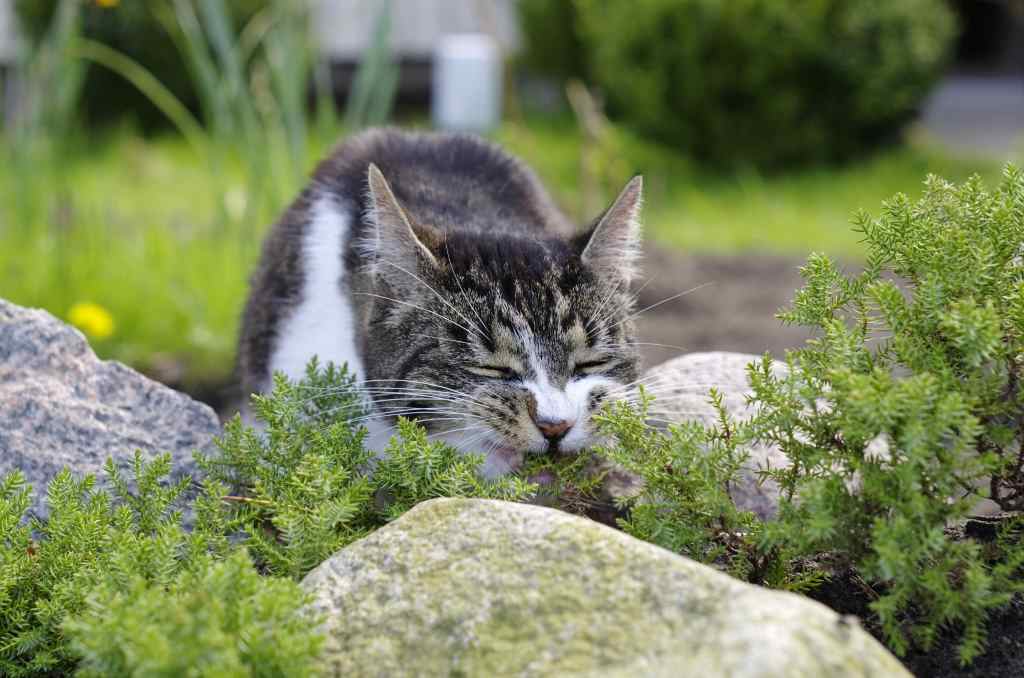
Dealing with neighborhood cats who have a penchant for your flower beds, vegetable patches, or simply see your garden as their personal litter box can be a frustrating experience. However, there are many humane and effective strategies you can employ to deter these feline visitors and reclaim your garden oasis.
Understanding Why Cats Visit Your Garden
Before diving into solutions, it’s important to understand why cats might be attracted to your garden in the first place:
- Hunting Instincts: Gardens often attract birds, rodents, and insects, which are natural prey for cats.
- Shelter: Overgrown areas or sheds can offer cats a place to hide or sleep.
- Loose Soil: Many cats prefer soft soil for digging and using as a bathroom.
- Curiosity: Cats are naturally curious creatures and might simply be exploring.
Humane Deterrent Strategies
The goal is to deter cats without causing them harm. Here are several methods you can try:
Remove Attractants:
-
- Food: Avoid leaving pet food outside, as it can attract both cats and other unwanted critters.
- Shelter: Trim back overgrown vegetation, and secure sheds and other potential hiding spots.
- Loose Soil: Cover exposed soil with mulch, pebbles, or chicken wire.
Scent-Based Deterrents:
-
- Citrus Peels: Cats dislike the smell of citrus. Scatter orange, lemon, or grapefruit peels around your garden.
- Coffee Grounds: Used coffee grounds can also act as a deterrent. Sprinkle them around plants.
- Commercial Repellents: There are various cat repellents available, often containing scents like lavender, peppermint, or citronella. Be sure to choose those specifically labeled as safe for pets and the environment.
Physical Barriers:
-
- Fencing: A fence with a small mesh and an angled top can deter cats from climbing over.
- Prickly Plants: Consider planting thorny bushes or other prickly plants around the perimeter of your garden.
- Netting: Use netting to cover vulnerable areas like vegetable patches or ponds.
Water and Motion-Activated Deterrents:
-
- Motion-Activated Sprinklers: These devices give cats a harmless spray of water when they enter your garden.
- Ultrasonic Devices: These emit a high-frequency sound that is unpleasant for cats but inaudible to humans.
Alternative Toilets:
-
- Sandboxes: Some cats may be drawn to your garden simply because it offers appealing bathroom options. Consider creating a designated sandbox area away from your prized plants.
- Catnip: Plant catnip in a far corner of your garden to lure cats away from other areas.
Important Considerations:
- Consistency: The key to success is consistency. It’s important to apply deterrents regularly and combine multiple strategies for the best results.
- Safety: Always prioritize humane methods that won’t harm the cats or other wildlife.
- Neighborly Relations: If the cats belong to a neighbor, have a friendly conversation with them to see if a collaborative solution can be found.
Beyond Deterrents: Engaging with Your Neighbor
Sometimes, the most effective approach is simply talking to your neighbor. Explain the issues you’re experiencing and see if you can work together to find a solution. Many cat owners are unaware of their pets’ escapades and may be willing to take measures to keep them at home. Additionally, it’s important to consider, can pets eat pistachios, especially if they are accessible to wandering cats.
A Note on Stray Cats
If the cats visiting your garden are stray or feral, consider contacting a local animal shelter or rescue organization. They may be able to provide resources or assistance in humanely trapping and relocating the cats.
Conclusion
Reclaiming your garden from unwanted feline visitors is entirely achievable. By understanding why cats are attracted to your garden and implementing a combination of humane deterrents, you can create a space that both you and your plants can enjoy in peace. For instance, certain plants can deter cats, and the Cherryblossomlife review on cat garden plants provides excellent insights on which ones to choose. This way, you can create a feline-free garden environment that is both beautiful and functional.