Key Takeaways:
- Explore different palm tree varieties suited for diverse climates, from tropical to temperate regions.
- Learn about the characteristics that make each palm species unique and ideal for outdoor landscaping.
- Understand the care requirements and growth patterns of popular outdoor palm trees.
Climate Considerations for Outdoor Palms
Incorporating palm trees into your landscape can instantly elevate the aesthetic and create a serene, resort-like atmosphere. However, choosing the right species requires more than visual appeal—it involves thoughtful consideration of environmental factors. Palm trees, often associated with tropical landscapes, can thrive in various climates. Selecting the right outdoor palm trees depends on your local climate conditions. While many palms prefer warm, sunny environments, certain species are adaptable enough to handle cooler temperatures or drier conditions.
Understanding your area’s temperature fluctuations, humidity levels, and soil types is essential for choosing the right palm. With options ranging from heat-loving species to those tolerant of cold snaps, palms can add a lush beauty to any outdoor space if selected with care.
Top Palm Tree Varieties for Tropical Climates
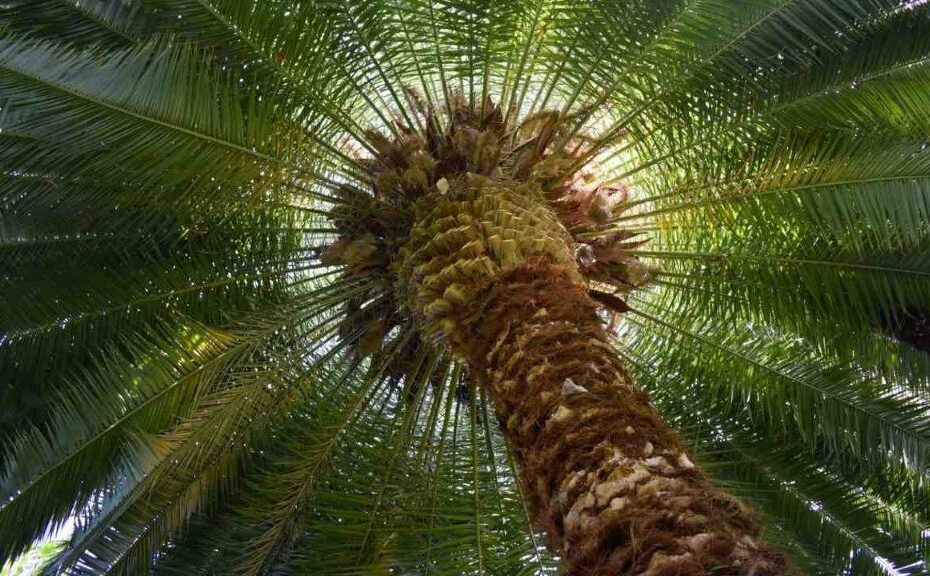
Arecaceae Phoenix (Date Palm)
Date Palms are iconic in tropical and subtropical regions for their height and sweet fruits. These palms thrive in sunny, well-drained sites with temperatures above 20°C (68°F), adding beauty and historical charm to gardens.
Cocos nucifera (Coconut Palm)
Coconut Palms are favored in coastal areas for their distinctive shape and useful coconuts. Best suited to sandy soils with full sun, they need temperatures of at least 27°C (80°F) for optimal growth, making them ideal for beachside landscaping.
Palm Trees for Temperate Regions
Trachycarpus fortunei (Windmill Palm)
Windmill Palms are hardy options suitable for temperate climates. They can survive temperatures as low as -10°C (14°F) and feature fan-like fronds and fibrous trunks. They grow in partial shade with moist, well-drained soil.
Rhapidophyllum hystrix (Needle Palm)
Known for their resilience, Needle Palms survive temperatures down to -20°C (-4°F). These low-maintenance palms grow in clumps and are perfect for gardeners seeking a cold-tolerant option that demands little upkeep.
Tips for Growing Outdoor Palm Trees
Choose planting sites that provide enough room for growth, using well-draining soils enriched with sand or peat if necessary. Ensure palms receive appropriate sunlight. Water regularly, especially during early growth, and mulch around the base to retain moisture.
Fertilize palms with a balanced product to support their nutrient needs, focusing on species that suit your climate to reduce water consumption, especially during warmer months.
Frequently Asked Questions
Do palm trees require a lot of maintenance? Most, like the Coconut Palm, need occasional trimming, but many are relatively low maintenance after establishment.
Can palm trees survive in containers? Yes, containers are suitable for many palms, and they are practical in climates where ground planting is not possible year-round.
Conclusion
Whether you desire towering Date Palms or hardy Needle Palms, selecting the appropriate palm tree involves careful consideration of your climate and the specific characteristics of each species.
Your outdoor space can become a serene retreat with the right palm tree. By understanding climate needs and palm characteristics, you can ensure a thriving garden that brings a touch of the tropics to your home.