
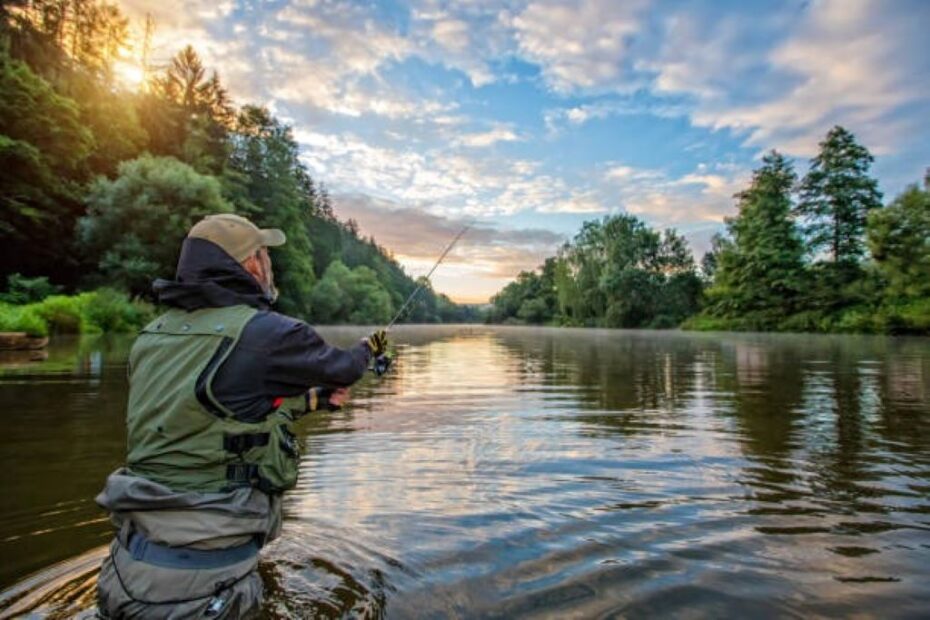
Urban rivers offer excellent fishing opportunities right in the heart of cities. Many anglers overlook these waterways, yet they teem with fish waiting for the right bait. Whether you’re casting from a bridge, riverbank, or park shoreline, understanding which natural baits work best can dramatically increase your catch rate. Fishing Gear Shops provides expert guidance for both beginners and experienced anglers looking to master urban river fishing.
Understanding Urban River Fish Species
Urban rivers host diverse fish populations adapted to city environments. Bass, catfish, carp, and panfish commonly thrive in these waters. Each species has specific feeding preferences that determine bait effectiveness. Therefore, knowing your target species helps you select the most productive bait. Additionally, urban fish often become accustomed to various food sources, making natural baits particularly effective because they mimic the fish’s everyday diet.
When selecting the best bait for river fishing, consider water conditions, season, and target species. Urban rivers typically have moderate to strong currents that require baits to stay secured on hooks. Furthermore, water clarity influences whether fish rely more on sight or smell to locate food. Murky urban waters often favor strong-scented baits that fish can detect from greater distances.
Nightcrawlers and Earthworms
Nightcrawlers remain the most versatile natural bait for urban river fishing. These worms attract virtually every freshwater species. Their wriggling motion creates vibrations that fish sense through their lateral lines. Moreover, nightcrawlers release scent trails that pull in fish from considerable distances. You can thread them onto hooks whole or use smaller pieces for panfish.
Earthworms work similarly but in smaller packages. They’re perfect for species like bluegill, perch, and small bass. However, their effectiveness extends beyond size. The natural presentation appeals to cautious urban fish that have seen countless artificial lures. Store worms in cool, moist bedding and they’ll remain lively throughout your fishing session.
Minnows and Small Baitfish
Live minnows excel at catching predatory fish in urban rivers. Bass, pike, and larger catfish actively hunt small fish, making minnows irresistible. Hook minnows through the lips or behind the dorsal fin for natural swimming action. Additionally, the flash and movement of struggling baitfish trigger aggressive strikes from territorial fish.
Urban rivers often contain abundant baitfish populations. Therefore, using species native to your fishing location increases effectiveness. Shiners, chubs, and creek minnows all work exceptionally well. Keep baitfish in aerated buckets to maintain their vitality. Fresh, lively minnows consistently outperform sluggish ones.
Crayfish for Bottom Feeders
Crayfish represent a primary food source for many river fish species. Smallmouth bass, catfish, and carp feed heavily on these crustaceans. According to National Geographic, crayfish inhabit rivers across North America and form crucial links in aquatic food chains. Fish recognize their scent and appearance immediately.
Hook crayfish through the tail to allow natural backward swimming motion. Alternatively, remove the claws and thread the hook through the body for bottom fishing. Soft-shell crayfish work best because fish can consume them easily. However, hard-shell crayfish remain effective, especially for larger fish with powerful jaws.

Insects and Grubs
Grasshoppers, crickets, and beetles provide excellent surface and mid-water baits. During warmer months, these insects frequently fall into rivers, conditioning fish to feed on them. Consequently, presenting live insects creates natural feeding opportunities. Hook grasshoppers through the thorax and allow them to struggle on the surface.
Grubs and larvae work brilliantly for panfish and trout in urban rivers. Mealworms, waxworms, and mayfly nymphs all produce consistent results. Their small size matches the natural forage of smaller fish species. Additionally, their soft bodies release scent quickly in water, attracting fish efficiently.
Cut Bait for Catfish
Cut bait involves using pieces of fish to target catfish and other scavengers. Urban rivers harbor substantial catfish populations that feed opportunistically. Fresh or slightly aged fish pieces release strong odors that catfish find irresistible. Shad, bluegill, and carp all make excellent cut bait options.
Cut the fish into strips or chunks approximately two to three inches long. However, adjust size based on your target catfish species. Channel catfish accept smaller pieces, while flatheads prefer larger chunks. The oily nature of certain fish species enhances scent dispersion in moving water.
Chicken Liver and Other Prepared Baits
Chicken liver ranks among the most effective catfish baits available. Its strong scent permeates water rapidly, drawing catfish from extended distances. Nevertheless, liver’s soft texture makes it challenging to keep on hooks. Use treble hooks or bait holders specifically designed for soft baits.
Additionally, other kitchen items work surprisingly well in urban rivers. Hotdogs, cheese, and dough balls all catch fish consistently. These prepared baits offer convenience when natural options aren’t available. Furthermore, they store easily and last longer than live baits during extended fishing trips.
Seasonal Bait Selection
Spring fishing demands different baits than summer or fall. Fish metabolism increases with warming water, making them more aggressive. Therefore, lively baits like minnows and nightcrawlers produce exceptional spring results. Additionally, fish prepare for spawning, increasing their feeding intensity.
Summer heat drives fish to deeper, cooler water. Consequently, baits that sink quickly and release scent effectively work best. Cut bait and chicken liver excel during summer months. Fall brings feeding frenzies as fish prepare for winter. However, nearly any natural bait produces results during this productive season.
Bait Presentation Techniques
Proper presentation maximizes natural bait effectiveness. Bottom fishing works well for catfish and carp using weighted rigs. Conversely, suspending baits under floats targets species feeding at specific depths. Furthermore, current speed influences how you present baits in urban rivers.
Strong currents require heavier weights to keep baits in strike zones. Lighter weights allow baits to drift naturally in moderate flows. Additionally, consider using slip sinker rigs that let fish take bait without feeling resistance. This technique increases hook-up rates with cautious urban fish.
Sustainable Bait Practices
Responsible anglers protect urban river ecosystems. Never release unused baitfish into waters where they don’t naturally occur. Invasive species damage native populations and disrupt ecological balance. Moreover, dispose of unused bait properly rather than dumping it riverside.
Harvest baitfish legally according to local regulations. Many areas restrict certain collection methods or species. Therefore, check current fishing regulations before gathering natural baits. Supporting sustainable practices ensures urban rivers remain productive for future generations.
Where to Find Natural Baits
Local bait shops stock most natural baits discussed here. However, collecting your own saves money and provides freshness. Nightcrawlers emerge after dark on damp grass. Additionally, flip rocks in shallow water to find crayfish and aquatic insects.
Minnow traps work effectively in calm areas of urban rivers. Nevertheless, verify that collecting live bait is legal in your location. Some urban waterways restrict or prohibit bait collection to protect native species. Pet stores often carry crickets and mealworms when outdoor options aren’t available.
Conclusion
Urban river fishing provides accessible angling opportunities using natural baits. Nightcrawlers, minnows, crayfish, insects, and cut bait all produce excellent results. Success depends on matching baits to target species, water conditions, and seasons. Additionally, proper presentation techniques and sustainable practices ensure productive fishing experiences. Whether you’re targeting bass, catfish, or panfish, natural baits consistently outperform artificial options in urban rivers. Start with versatile choices like nightcrawlers, then experiment with species-specific baits as you gain experience.
Frequently Asked Questions
What is the best all-around natural bait for urban river fishing?
Nightcrawlers serve as the most versatile natural bait for urban rivers. They attract virtually every freshwater species including bass, catfish, panfish, and carp. Their availability, affordability, and effectiveness make them ideal for beginners and experienced anglers alike.
Can I use saltwater baits in freshwater urban rivers?
Generally, saltwater baits aren’t recommended for freshwater fishing. However, certain baits like shrimp occasionally work for catfish. Freshwater fish have evolved to recognize local food sources, so native baits consistently produce better results than saltwater alternatives.
How do I keep live bait fresh during long fishing sessions?
Store live bait in insulated containers with adequate ventilation. Minnows require aerated water changed regularly. Nightcrawlers need cool, moist bedding away from direct sunlight. Additionally, never overcrowd containers, as this stresses and kills bait quickly.
Are artificial baits more effective than natural baits in urban rivers?
Natural baits typically outperform artificial options in urban rivers. Fish evolved to recognize natural food sources through scent, taste, and texture. While artificial lures work well for active fish, natural baits convince cautious or lethargic fish to bite more consistently.
What time of day works best for natural bait fishing in urban rivers?
Early morning and late evening produce the most consistent results. Fish feed actively during low-light conditions when they feel safer from predators. However, catfish bite throughout the day and night. Additionally, overcast days often improve daytime fishing success regardless of bait type.
Related Topics:
How to Stop Baitcaster Backlash: Master the Professional Thumbing Technique
The Advantages of a Round Baitcasting Reel for Heavy Catfish