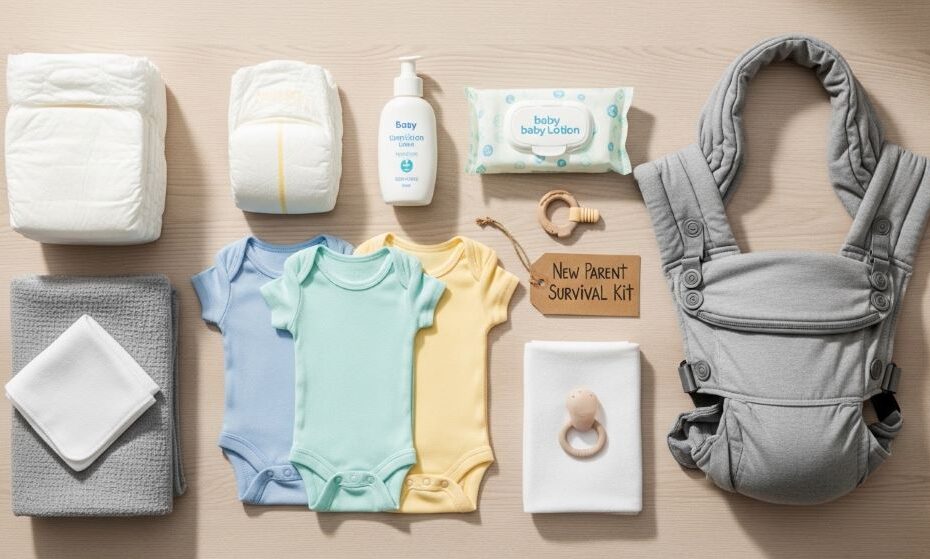
Preparing for a baby can feel overwhelming, especially when you’re bombarded with marketing messages suggesting you need countless products. The truth is that babies require surprisingly few items to thrive during their first months. Creating a smart newborn checklist helps you focus on what truly matters while keeping costs manageable.
Many first-time parents overspend on items they rarely use or quickly outgrow. By understanding which products are essential and which are optional, you can allocate your budget wisely. This guide will help you build a practical list that covers your baby’s needs without draining your savings account.
Understanding What Your Baby Actually Needs
Newborns have simple requirements: food, sleep, diaper changes, and warmth. Everything else falls into the category of convenience or luxury. Starting with this mindset helps you distinguish between must-haves and nice-to-haves.
Babies grow incredibly fast during their first year. Therefore, investing heavily in newborn-sized items rarely makes financial sense. Many outfits and products become unusable within weeks. Planning for this rapid growth prevents waste and saves money.
Additionally, every family’s situation differs. A parent who drives daily needs different items than someone who primarily walks or uses public transportation. Consider your lifestyle when building your list rather than copying someone else’s recommendations blindly.
Creating Your Core Sleep Setup
Your baby will spend most of their early days sleeping, making safe sleep arrangements your top priority. However, you don’t need elaborate nursery furniture to provide a secure sleeping environment.
A basic crib or bassinet serves as the foundation. Many parents find that a simple bassinet works perfectly for the first few months since it fits easily in your bedroom. Look for secondhand options, but ensure they meet current safety standards with no missing parts or damage.
You’ll need a firm mattress that fits snugly in your chosen sleep space. Avoid soft bedding, pillows, and bumpers, as these pose suffocation risks. A fitted sheet is sufficient, and having three or four allows for rotation during laundry.
Sleep sacks replace blankets safely. These wearable blankets keep your baby warm without loose fabric in the crib. Purchase just two in different sizes to start, as babies grow out of them quickly.
A simple changing pad on top of a dresser eliminates the need for a separate changing table. This dual-purpose approach saves both money and space. Alternatively, many parents successfully change diapers on a waterproof mat placed on their bed or floor.
Building a Practical Feeding Setup
Whether you’re breastfeeding or formula feeding, keeping your setup simple reduces stress and expenses. You don’t need specialized furniture or elaborate systems.
For breastfeeding mothers, a few nursing bras and breast pads cover the basics. While nursing pillows are popular, regular bed pillows work perfectly well for support. Many mothers never purchase a nursing pillow and manage comfortably.
If you’re pumping, start with a basic manual pump before investing in an electric model. Your insurance may cover an electric pump, so check your benefits before buying one. Store milk in reusable containers rather than disposable bags when possible.
Formula-feeding parents should start with small quantities of formula since babies can be particular about brands. Having several bottles in different sizes makes sense, but six to eight bottles total suffices for most families. You don’t need a bottle warmer; warm water in a bowl works perfectly.
Burp cloths are essential regardless of feeding method. However, regular cloth diapers or small towels function just as well as specialty burp cloths and cost significantly less.
Assembling Your Diapering Essentials
Diapers represent one of your largest ongoing expenses during the first year. Making smart choices here significantly impacts your budget.
Cloth diapers require a higher upfront investment but save money long-term. They also work for subsequent children. However, they’re not for everyone. If cloth diapering interests you, start with a small stash to test whether it fits your lifestyle before fully committing.
Disposable diaper users should buy in bulk when possible and watch for sales. Generic store brands often perform as well as name brands at a fraction of the cost. Accept diaper gifts gratefully but avoid stockpiling newborn sizes since babies outgrow them quickly.
You’ll need basic diaper cream, but expensive brands aren’t necessary. Simple petroleum jelly works for most babies. Keep wipes on hand, though warm washcloths work beautifully for newborns and are gentler on sensitive skin.
A simple diaper pail or designated trash can with a lid manages odors adequately. Specialized diaper disposal systems add ongoing costs for refill cartridges without significant benefits.
Choosing Affordable Baby Gear for Transportation
Getting around with your baby requires some equipment, but you don’t need every transportation product on the market. Focus on items that match your lifestyle.
A car seat is non-negotiable if you have a vehicle. This is one area where buying new makes sense since you can’t verify a used seat’s history. However, you don’t need the most expensive model. All car seats sold in your country meet the same safety standards. Choose one that fits your car and budget.
Strollers vary dramatically in price and complexity. Many affordable baby gear options exist that function perfectly well. Consider your typical walking surfaces and storage space. A basic umbrella stroller costs a fraction of elaborate travel systems and often proves more practical.
Baby carriers or wraps provide hands-free transportation while keeping your baby close. Simple stretchy wraps cost very little and work wonderfully for newborns. They’re often more practical than strollers for quick errands or calming fussy babies.
If you live in a small space or rarely use a car, you might skip the stroller entirely in favor of carriers. Many urban parents find this approach more practical and affordable.

Selecting Practical Clothing
Baby clothes are adorable but expensive, especially considering how quickly babies outgrow them. Building a minimal wardrobe saves money without leaving your baby underdressed.
Start with seven to ten onesies and sleepers in newborn and 0-3 month sizes. Stretchy, simple designs that open easily for diaper changes make life easier. Avoid outfits with multiple pieces or complicated closures.
Babies don’t need shoes until they start walking. Socks keep their feet warm, but even those frequently fall off. Many parents find that footed sleepers eliminate the sock problem entirely.
Accept hand-me-downs enthusiastically. Baby clothes often look nearly new since they’re worn for such short periods. Secondhand stores and online marketplaces offer excellent deals on barely used items.
Resist buying too much in smaller sizes. Babies grow unpredictably, and some never wear newborn sizes at all. You can always purchase more if needed, but you can’t return worn items.
Gathering Basic Health and Grooming Items
Your baby needs minimal grooming and healthcare products. Therefore, you can keep this category simple and inexpensive.
A basic thermometer, nail clippers, and soft brush cover most grooming needs. Baby bathtubs are optional; your sink or a small basin works perfectly for newborn baths. Use mild, fragrance-free soap sparingly since babies’ skin produces natural oils.
Stock a simple first aid kit with infant acetaminophen or ibuprofen, saline drops, and a bulb syringe for congestion. However, wait until after birth to purchase medication since you’ll want to confirm appropriate dosages with your pediatrician.
Expensive baby-specific products rarely outperform simple, gentle alternatives. Fragrance-free adult products often work just as well at lower prices.
Smart Shopping Strategies
How you shop matters as much as what you buy. Strategic purchasing stretches your budget significantly.
Create your list early and watch for sales throughout your pregnancy. Buying a few items each month spreads costs over time and takes advantage of periodic discounts. Sign up for store emails to receive coupons and sale notifications.
Register for essentials even if you’re not planning a shower. Most retailers offer completion discounts on registry items, typically 10 to 15 percent off. This discount applies to remaining items you purchase yourself.
Shop secondhand whenever safety permits. Items like clothing, books, and toys are perfect secondhand purchases. Join local parent groups where members often give away outgrown items.
Borrow before buying when possible. Friends and family members often have items they’re willing to lend. If you’re unsure whether you’ll use something regularly, borrowing lets you test it without financial commitment.
Additionally, wait on trendy items or those marketed as essential but rarely mentioned by experienced parents. If you find you need something after your baby arrives, you can always purchase it then.
Items You Can Skip Entirely
Understanding what you don’t need is just as important as knowing what you do need. Marketing creates demand for many unnecessary products.
Wipe warmers, specialized bottle sterilizers, and diaper genies add expense without significant benefit. Babies quickly adjust to room-temperature wipes, bottles dry perfectly in a dish rack, and regular trash cans manage diaper disposal adequately.
Elaborate mobiles, crib bedding sets, and decorative nursery items please adults more than babies. Your newborn can’t even focus on objects more than a few inches away initially. Simple spaces work beautifully.
Shoes, infant bath robes, fancy outfits for special occasions, and dozens of toys are all items that sound appealing but provide little practical value for newborns. Save your money for items you’ll actually use daily.
Specialized furniture like changing tables, gliders, and dressers designed specifically for nurseries cost more than standard furniture that serves the same purpose. A comfortable chair you already own works perfectly for feeding and rocking your baby.
Planning for Growth and Changes
Your needs will evolve as your baby grows, but you don’t need to prepare for every stage immediately. Purchasing items as you need them prevents waste and allows you to make informed choices based on your actual experience.
Babies develop at different rates. Some need larger clothing sizes sooner, while others fit in newborn clothes for months. Some love swings while others prefer bouncer seats. Waiting to see your baby’s preferences and needs guides better purchasing decisions.
Consider items that grow with your child. Convertible car seats work from infancy through toddlerhood. Adjustable high chairs serve for years rather than months. These investments make sense when you’re ready for them.
Connect with other new parents in your area. Parent groups often organize swaps where you can exchange outgrown items for ones your baby needs next. This community approach to affordable baby gear benefits everyone involved.
Conclusion
Building a budget-friendly baby essentials list requires focusing on genuine needs rather than marketing hype. Your newborn checklist should include safe sleep arrangements, appropriate feeding supplies, basic clothing, reliable diapers, and essential transportation items. Everything else is optional, regardless of how many products companies try to sell you.
Remember that the most important things you can give your baby cost nothing: love, attention, and security. Expensive gear doesn’t make you a better parent. By spending thoughtfully and avoiding unnecessary items, you reduce financial stress and focus on what truly matters during your baby’s early months.
Start with the basics, accept help and hand-me-downs graciously, and add items only when you identify genuine needs. This approach keeps costs manageable while ensuring your baby has everything necessary for healthy development. Many parents find that simplicity not only saves money but also reduces clutter and stress during an already overwhelming time.
Frequently Asked Questions
How much should I budget for baby essentials?
Basic baby essentials can cost anywhere from 800 to 2,000 dollars, depending on whether you buy new or used items and which products you choose. However, this varies significantly based on your circumstances. Breastfeeding parents spend less on feeding supplies, while cloth diapering requires more upfront investment but saves money long-term. Focus on acquiring must-haves first, then add other items as your budget allows and needs become clear.
Is it safe to buy used baby items?
Many items are perfectly safe to buy secondhand, including clothing, books, toys, and furniture without mechanical parts. However, always buy car seats new since you cannot verify their accident history. Check that cribs and bassinets meet current safety standards with no missing hardware or damage. Avoid used bottles, nipples, and breast pump parts that contact milk. When in doubt about any item’s safety, research current guidelines or purchase new.
What items should I have before the baby arrives?
Before your due date, ensure you have a safe sleep space with fitted sheets, basic clothing in newborn and 0-3 month sizes, diapers and wipes, feeding supplies appropriate to your method, a car seat if you drive, and basic grooming items like nail clippers and a thermometer. Everything else can be acquired after birth based on your actual needs. Many parents find they need far fewer items than they anticipated.
How can I get baby items for free?
Join local parent groups on social media where members often give away outgrown items. Many communities have “Buy Nothing” groups specifically for this purpose. Let friends and family know you welcome hand-me-downs. Check if your hospital or local charities provide starter packs with basic supplies. Additionally, some organizations help low-income families with essential baby items. Don’t hesitate to ask for help; most parents remember the expense of new parenthood and are happy to share.
Should I wait until after my baby shower to shop?
Yes, waiting until after any showers or celebrations helps prevent duplicate purchases. Create your registry or list early, then purchase remaining items afterward using any store completion discounts. This approach maximizes gifts received while minimizing your out-of-pocket expenses. Keep your registry focused on essentials rather than wants, making it easier for gift-givers to choose truly helpful items while staying within their budgets.
Related Topics:
How to Find Affordable Cooling Pillows Without Sacrificing Comfort
How to Choose the Best Bike Rack for RV Travel