
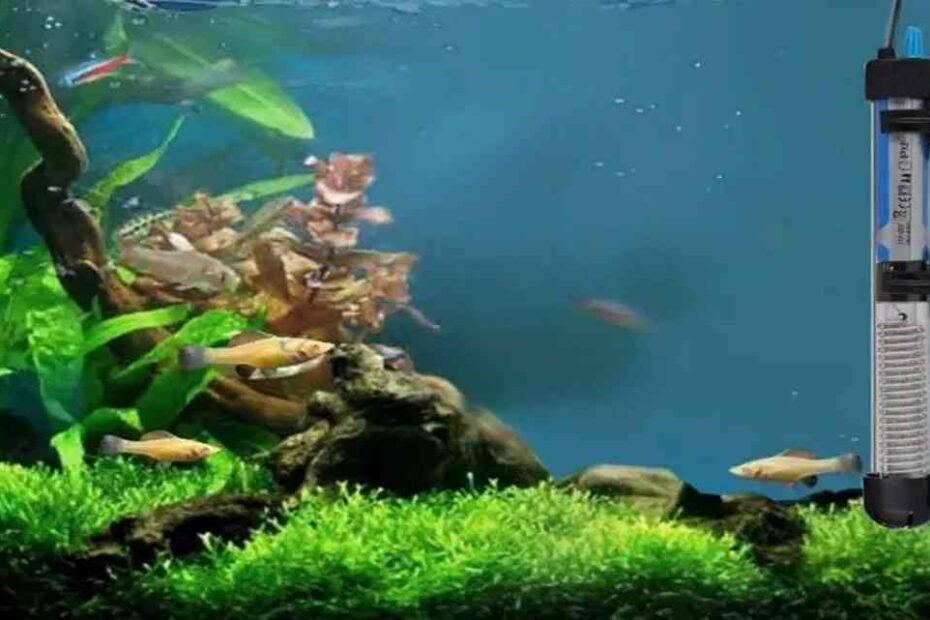
A thriving aquarium ecosystem hinges on a delicate balance of factors, chief among them being water temperature. Maintaining the perfect temperature range for your aquatic inhabitants is crucial for their health, growth, and overall well-being. This comprehensive guide delves into the intricacies of aquarium heating and cooling, providing you with the knowledge and tools to create a stable and comfortable environment for your fish, invertebrates, and plants.
The Importance of Temperature Stability
Water temperature affects virtually every aspect of aquatic life. Fish, being cold-blooded creatures, rely on their external environment to regulate their body temperature. Inconsistent or extreme temperatures can stress fish, compromise their immune systems, disrupt their metabolism, and even lead to fatalities. Invertebrates and plants are similarly sensitive to temperature fluctuations, with variations impacting their growth, reproduction, and overall health.

Factors Influencing Aquarium Temperature
Several factors contribute to temperature changes within an aquarium, including:
- Ambient Room Temperature: The temperature of the room where your aquarium is located directly influences the water temperature. Fluctuations in room temperature, especially during seasonal changes or due to heating and cooling systems, can impact your aquarium.
- Aquarium Size: Smaller aquariums are more susceptible to temperature swings than larger ones. The greater volume of water in larger tanks provides more thermal stability.
- Lighting: Aquarium lights, especially high-intensity ones, generate heat that can raise water temperature.
- Filtration and Water Movement: Filtration systems and water pumps can generate heat, contributing to temperature increases.
- External Heat Sources: Direct sunlight or proximity to heating vents can raise aquarium temperatures.
Heating Your Aquarium
Aquarium heaters are essential for maintaining a stable temperature in most aquariums. Here’s a breakdown of the types of heaters available and their features:
- Submersible Heaters: These are the most common type of aquarium heaters, placed entirely underwater within the tank. They come in various wattages to suit different aquarium sizes.
- In-line Heaters: These heaters are installed within the filter system’s tubing, heating the water as it passes through. They are a good option for larger aquariums or setups where a submersible heater is impractical.
- Substrate Heaters: These heaters are placed beneath the substrate (gravel or sand) and provide gentle heat from the bottom of the tank. They are often used in planted aquariums to promote root growth.
Choosing the Right Heater
When selecting an aquarium heater, consider the following factors:
- Aquarium Size: The heater’s wattage should be appropriate for the volume of your tank. A general guideline is 3-5 watts per gallon of water.
- Temperature Control: Choose a heater with an adjustable thermostat to set and maintain the desired temperature.
- Safety Features: Look for heaters with automatic shut-off mechanisms to prevent overheating in case of malfunctions or water level drops.
- Durability: Invest in a high-quality heater from a reputable brand to ensure longevity and reliability.
Installing and Maintaining Your Heater
Follow the manufacturer’s instructions for proper installation and placement of your heater. Regularly check the heater’s functionality and temperature accuracy using a separate aquarium thermometer. Adding plants like pothos in the aquarium can help maintain a healthy ecosystem, but ensure they don’t obstruct the heater. Clean the heater periodically to prevent algae or mineral buildup from affecting its performance.
Cooling Your Aquarium
In situations where aquarium temperatures rise above the desired range, cooling measures are necessary. Here are some effective cooling methods:
- Increased Evaporation: Increasing water surface agitation through air stones or powerheads promotes evaporation, which has a cooling effect.
- Fans: Placing fans near the water surface can help dissipate heat and lower the temperature.
- Chillers: Aquarium chillers are specialized cooling units that use refrigeration technology to actively cool the water. They are a good investment for larger aquariums or setups in warm climates.
- Ice Packs or Frozen Water Bottles: In emergencies or for temporary cooling, placing ice packs or frozen water bottles (sealed in plastic bags) in the aquarium can help reduce the temperature.
Temperature Monitoring
Accurate temperature monitoring is essential for maintaining a stable aquarium environment. Use a reliable aquarium thermometer, preferably a digital one with an easy-to-read display. Place the thermometer in a visible location within the tank, away from direct heat sources or water flow obstructions. Regularly check the temperature throughout the day and make adjustments to your heating or cooling systems as needed.
Maintaining Temperature Stability
- Insulate Your Aquarium: Adding insulation to the back and sides of your aquarium can help reduce heat loss and maintain a more stable temperature.
- Minimize External Heat Sources: Avoid placing your aquarium in direct sunlight or near heating vents.
- Monitor Room Temperature: Keep the room where your aquarium is located at a consistent temperature.
- Regular Maintenance: Perform regular water changes and filter cleaning to maintain water quality and prevent excessive heat buildup.
Conclusion
Maintaining the perfect temperature in your aquarium is essential for the health and well-being of your aquatic inhabitants. By understanding the factors influencing temperature, selecting the right heating and cooling equipment, and monitoring temperature consistently, you can create a stable and comfortable environment where your fish, invertebrates, and plants can thrive. Remember, a well-maintained aquarium is not just a beautiful addition to your home, but a thriving ecosystem that provides endless fascination and enjoyment. Invest the time and effort to maintain optimal temperature conditions, and you’ll be rewarded with a vibrant and healthy aquatic community.