
Spending time in the sun is enjoyable, but UV rays can pose serious risks—even on cloudy days. With rising awareness about skin cancer and sunburn, protection is more important than ever. Many swimmers, surfers, and beachgoers turn to rash guards: but do rash guards protect from UV rays? In short, yes, rash guards provide significant UV protection when properly designed. Let’s unpack the science, the marketing claims, and everything you need to know about using rash guards for UV defense.
Do Rash Guards Actually Block UV Rays?
Yes, most quality rash guards effectively block UV rays, helping protect your skin from harmful sun exposure. Look for those labeled with a UPF (Ultraviolet Protection Factor) rating for confirmed coverage.
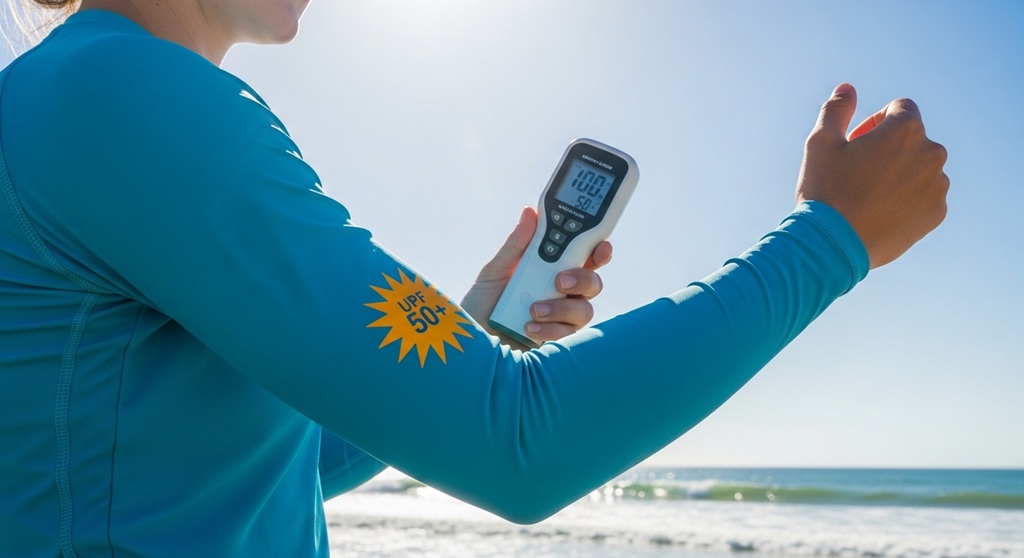
Not all rash guards are created equal. The degree of protection depends on fabric, color, weave, and fit. Rash guards designed for active sports typically use tightly woven synthetic fibers that act as a barrier between your skin and the sun’s ultraviolet radiation. The UPF rating—similar to SPF in sunscreen—tells you how much UV radiation can penetrate the fabric. For instance, a UPF 50 rash guard allows only 1/50th of the sun’s rays through. This makes it one of the most reliable forms of sun protection, especially for those who spend hours in or around water.
What Makes a Rash Guard UV-Protective?
UV-protective rash guards are made from densely woven synthetic fabrics, often treated with UV-blocking agents, and are tested for their UPF value. These features work together to shield against both UVA and UVB rays.
The material is key. High-quality rash guards are usually nylon, polyester, or spandex—materials known for their strength and resistance to stretching or thinning. Some brands add extra chemical treatments to enhance UV blocking. Darker colors and thicker fabrics also provide better protection. Pay close attention to the label: only those marked “UPF 30” or higher offer robust sun shielding. Seams and stitching should also be dense to avoid letting light in, and the fit should cover as much skin as possible without restricting movement.
How Do Rash Guards Compare to Sunscreen?
Rash guards offer constant, broad-spectrum coverage, unlike sunscreen which relies on frequent reapplication and can wear off in water or sweat. Combining both delivers maximum protection.
| Feature | Rash Guards | Sunscreen |
|---|---|---|
| UV Protection Duration | All day, as long as worn | 2-3 hours, needs reapplication |
| Water Resistance | High | Varies (usually 40-80 min) |
| Chemical-Free Option | Yes | No |
| Covers skin physically | Yes | No |
| Whole Body Coverage | Partial, depending on style | Yes (if applied everywhere) |
While sunscreen is versatile, even “water-resistant” formulas can rub off with sweat, towels, or splashing. By contrast, a well-made rash guard never stops blocking rays until you take it off. For best results, use both: a rash guard for core protection, then sunscreen for uncovered areas like face, hands, and legs.
Which Rash Guard Features Enhance UV Protection?
Enhanced UV protection comes from high UPF ratings, tight weaves, dark or bright colors, long sleeves, and full-coverage designs. Stitching quality and fabric thickness also matter for blocking sunlight.
- UPF Rating: Look for UPF 30-50+ labels.
- Coverage: Long sleeves and high collars protect more skin.
- Fabric: Thicker, synthetic blends are best.
- Color: Darker shades block more UV than light ones.
- Construction: Reinforced seams and minimal gaps prevent UV leaks.
Not all rash guards offer the same defense. Cheaper, thinner, or light-colored tops may provide little protection. Always check actual UPF ratings—don’t rely on the look or marketing images alone. Consider your activity too: for intense water sports, prioritize high elasticity and durable stitching.
Can Kids and Adults Equally Benefit from Rash Guards?
Absolutely! Rash guards provide valuable UV protection for both kids and adults. They’re especially helpful for children, who have sensitive skin and are at greater risk of UV damage.
For kids, staying protected all day at the beach or pool is easier with a rash guard—they won’t have to interrupt play for constant sunscreen application. Adult athletes, frequent swimmers, and anyone with fair skin or a family history of cancer will also benefit. Many brands make specific designs for children, offering bright colors and fun prints. For adults, fitted and performance-focused styles are available, catering to surfing, swimming, and even casual wear. Just make sure everyone’s rash guard covers the main exposure zones: back, shoulders, chest, and arms.
Are Rash Guards Effective When Wet?
Yes, quality rash guards retain their UV-blocking ability even when wet, though some cheap or worn fabrics may become less effective if they stretch or turn see-through.
Unlike sunscreen, which can easily wash away in water, rash guards stay on and keep working. The dense fiber structure prevents UV rays, even when saturated. However, over time, stretching, thinning, and fading can reduce a fabric’s protection level. Avoid wearing faded, threadbare, or excessively loose rash guards as they may allow more sun penetration. Rinse and air dry them after each use to maintain elasticity and color.
What Are the Limitations of Rash Guards for UV Defense?
Rash guards only protect covered areas, can lose effectiveness if damaged, and should still be used alongside other sun safety measures for best results.
- Gaps: Exposed skin, like hands and face, are still vulnerable.
- Fit: Loose or stretched fabric may let in more UV rays.
- Wear & Tear: Damage, thinning, or fading reduces protection.
- Heat: They may feel hot out of the water on sunny days.
- Style Choices: Short sleeves or crops offer less coverage.
Always pair a rash guard with a broad-brimmed hat, quality sunglasses, beach umbrellas, and sunscreen for uncovered spots. That’s the complete arsenal for sun safety, no matter where your adventures take you.
How Do You Choose the Best Rash Guard for Sun Protection?
Select a rash guard with a certified UPF rating (preferably UPF 50+), snug fit, long sleeves, durable synthetic fabric, and darker or patterned colors. Reputable brands often offer lab-tested products with warranties.
Here’s a quick checklist for optimal sun protection:
- Check for UPF 50 or higher labels.
- Opt for long-sleeved, high-neck designs.
- Choose durable nylon or polyester blends.
- Pick darker colors or bold prints for better coverage.
- Try it on—ensure full coverage and comfortable movement.
Trusted surf and swimwear brands invest in rigorous UPF testing. Read reviews, inspect stitching and fabric density, and don’t be swayed by trends alone. The best protection is a balance of comfort, coverage, and verified UV defense.
Do Rash Guards Protect from UV Rays Better Than Regular Clothing?
Yes, UV-rated rash guards outperform most regular t-shirts or cotton tops in blocking UV rays, thanks to their dense, stretchy fabrics and lab-tested protection.
While a cotton T-shirt does provide some barrier, it’s usually less than UPF 10—meaning a significant portion of harmful rays passes through. When wet, ordinary shirts can let even more UV through. Rash guards, by contrast, are engineered for UV defense whether you’re dry or soaking wet. They’re optimized for active lifestyles and extended sun exposure. For lifeguards, surfers, and families, they’re a no-brainer choice for serious sun safety.
Conclusion: Are Rash Guards Worth It for UV Protection?
Without a doubt, rash guards are one of the best ways to protect your skin from UV rays, especially if you spend time outdoors or in water. They offer consistent, all-day coverage you can’t wash or sweat off, provided you choose a quality garment with a high UPF rating and proper fit. Pairing a rash guard with sunscreen on exposed areas gives you comprehensive sun defense. Don’t take chances with your skin—upgrade your summer wardrobe and enjoy the sun with peace of mind. Want expert tips on choosing the right rash guard? Browse our top picks and UV safety guides now!
Frequently Asked Questions
Do all rash guards offer the same UV protection?
No. Only rash guards labeled with a UPF rating of 30 or higher guarantee reliable UV defense. Cheaper or fashion-focused styles may not offer genuine sun protection.
Is a long-sleeve rash guard better for sun protection?
Yes, long sleeves and high collars maximize your skin coverage. They block rays from reaching vulnerable areas like shoulders, upper arms, and the back of your neck.
Can I skip sunscreen if I wear a rash guard?
No. Always use sunscreen on exposed skin—face, hands, lower legs, and feet. Rash guards don’t cover every body part, and comprehensive sun safety is key.
How often should I replace my rash guard?
Replace your rash guard every 1-2 seasons if you use it frequently, or sooner if it becomes thin, faded, or overstretched. Damage reduces UV protection.
Do kids need different rash guards than adults?
Most kids’ rash guards are designed with extra coverage and bright prints for fun and safety. Ensure they have UPF 50+ and fit comfortably for long wear.
Can I wear a rash guard under a wetsuit for sun protection?
Yes, but the wetsuit itself generally blocks UV rays. The rash guard mainly protects you while the wetsuit is off or for extra comfort and rash prevention.
How do I care for a UV rash guard?
Rinse with fresh water after each use, air dry in the shade, and avoid wringing or machine drying. These steps help preserve fabric integrity and UV protection.