

Introduction
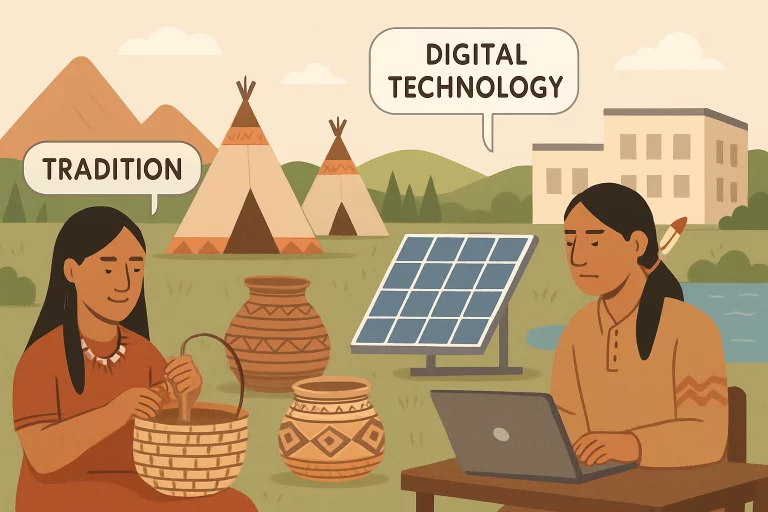
Technology continues to reshape industries worldwide, and tribal enterprises exemplify how innovation can drive economic empowerment and cultural continuity. As digital tools evolve, tribal nations embrace these advancements to modernize operations, strengthen self-determination, and preserve heritage. Strategic partnerships are instrumental in this journey, providing customized support that helps tribal businesses adopt cutting-edge solutions while honoring traditional values. In areas like digital transformation, artificial intelligence, cybersecurity, and renewable energy, these efforts reflect a forward-thinking approach rooted in resilience and sustainability. For example, Casino Technology Services offers specialized platforms that enhance operational efficiency and guest experience, enabling tribal casinos to remain competitive in a dynamic market. This thoughtful integration of modern technology highlights a deeper mission: using progress as a pathway to long-term community well-being and cultural stewardship.
This article provides an in-depth look at the multifaceted ways technology transforms tribal enterprises, offering insights into current initiatives while highlighting promising growth opportunities. By examining case studies and broad trends, tribal leaders and industry professionals can better position their organizations for sustainable success while reinforcing their heritage, sovereignty, and self-determination. The following sections break down these leading-edge technological shifts and offer practical insights for those seeking to participate in this digital renaissance.
Embracing Digital Transformation
The widespread adoption of digital technologies fundamentally alters strategic perspectives and daily operations for tribal enterprises. This transition goes beyond merely upgrading older systems—it involves a comprehensive reimagining of how organizations manage resources, track performance, and deliver value to communities. For example, the Navajo Nation’s recent investment in a $31 million Enterprise Resource Planning (ERP) platform underscores a monumental shift toward enterprise modernization. This single investment can potentially overhaul financial management, streamline human resources, and introduce unprecedented transparency. As a result, tribal organizations can leverage real-time analytics, automate critical departmental workflows, and enhance reporting capabilities with far less administrative burden. By working with industry experts, tribal businesses can implement technology that is both customizable and sensitive to cultural and regulatory factors. Ultimately, this digital transformation boosts efficiency and financial sustainability and helps lay the groundwork for long-term economic independence and resilience.
Leveraging Artificial Intelligence
Artificial Intelligence (AI) has quickly emerged as a potent tool for tribal enterprises, unlocking new ways to automate repetitive tasks, drive more intelligent decision-making, and maximize limited resources. Grant management is a particularly high-value area where AI’s impact is already felt. Cutting-edge platforms like Syncurrent utilize AI algorithms to identify suitable grants, streamline the application process, and monitor ongoing compliance. For tribal organizations reliant on federal and private funding, these improvements mean faster access to resources, reduced risk of compliance errors, and higher success rates for grant awards. AI-powered tools also assist in processing vast amounts of data from tribal businesses, supporting everything from financial forecasting to workforce planning and environmental monitoring. Adopting these platforms simplifies traditionally complex business areas, strengthens community infrastructure, and supports broader economic growth. Learn more about AI in grant management and its evolving role in tribal prosperity.
Advancements in Forestry Management
Sustainable resource stewardship has long been at the heart of tribal economies, particularly for nations whose territories are rich in forests and other natural resources. Today, tribal forestry management is being profoundly reshaped by technologies such as drones, satellite imaging, and LiDAR (Light Detection and Ranging). The Yakama Nation, for instance, has set an example by adopting these tools to collect detailed and real-time data on forest health, growth patterns, and ecological threats. These innovations enable comprehensive and accurate mapping of vast terrains, monitoring for disease or wildfire risk, and planning more strategically for conservation and harvest. By coupling these sophisticated tools with traditional ecological knowledge, tribal nations can address modern challenges while honoring their ancestral responsibility as land stewards. This technological partnership ensures ongoing resource viability and upholds cultural obligations to future generations. Discover how technology is transforming tribal forestry and driving a new era of sustainable practice.
Enhancing Data Sovereignty
As digital technologies become increasingly embedded in organizational operations, protecting the sovereignty of tribal data is more critical than ever. Data sovereignty refers to the right of tribal nations to own and govern all digital information relating to their people, resources, and governance. In an era of cloud computing and global data exchange, this control is essential to maintaining self-governance, privacy, and compliance with tribal laws. Organizations such as the Center for Tribal Digital Sovereignty—an initiative of the American Indian Policy Institute and the National Congress of American Indians—offer advocacy, policy guidance, and practical tools to ensure data security and independent data management. The Center provides resources on digital governance, privacy rights, cloud policy, and the selection of trusted technology partners. By supporting the development of tribal-controlled IT infrastructure, these efforts empower communities to keep sensitive data within their jurisdiction, promote digital independence, and strengthen the overall resilience of tribal governance. Explore the Center’s initiatives in protecting tribal digital autonomy.
Investing in Renewable Energy
Increasingly, tribal enterprises are positioning themselves as leaders in sustainable and renewable energy investment. By supporting innovative projects in wind, solar, and battery storage, these organizations are fostering new sources of revenue and job creation and fulfilling their longstanding commitment to environmental stewardship. A notable example is Puyallup Tribal Enterprises’ investment in Skip Technology—a startup focused on rechargeable and recyclable clean energy storage systems. These advanced storage solutions help reduce reliance on rare earth minerals and lower the overall environmental cost of modern energy. By embracing clean energy at this scale, tribal enterprises can diversify their revenue, stabilize energy costs, and remain resilient in the face of climate change and market disruptions. Additionally, these ventures foster greater energy independence and align closely with tribal values of caring for the earth and future generations. Please read about this investment and how it shapes local economies and global climate strategies.
Strengthening Cybersecurity Measures
The rapid digitization of tribal enterprises brings new challenges, chief among them: cybersecurity. As these businesses adopt increasingly sophisticated IT systems, they must prioritize robust protection for all sensitive data, including financial information, cultural heritage, and administrative records. Recent initiatives like the Cybersecurity Improvement Initiative for Agriculture, which supports indigenous communities such as the Ponca Tribe of Nebraska, reflect a growing emphasis on education, training, and threat identification. These programs equip tribal employees with knowledge about phishing schemes, ransomware, and digital hygiene, making security a shared responsibility throughout the community. In addition to training, tribal enterprises are adopting new cybersecurity frameworks, incident response plans, and encrypted communications to minimize risk exposure. UltimateInvestingsecurity is not just about preventing data breaches—it’s about securing community trust, maintaining sovereignty, and ensuring the uninterrupted operation of vital tribal functions. Learn about this case study and how tribes are building a cybersecurity roadmap for the future.
Future Trends and Opportunities
Looking ahead, tribal enterprises are well prepared to harness the next wave of technological innovation. With advanced AI, machine learning, and analytics investments, tribal businesses can optimize their operations, better track outcomes, and enhance customer engagement. These emerging tools will provide more personalized services, sophisticated risk assessments, and smarter resource allocations. At the same time, expanding broadband infrastructure remains a priority for bridging the digital divide, unlocking access to remote education, telemedicine, and e-commerce opportunities that are critical for isolated communities. The evolution of legal and regulatory frameworks will also open up new pathways for technology-driven growth, ensuring that tribal nations can continually adapt and thrive. As the digital landscape evolves, tech-forward strategies not only support economic self-determination and cultural legacies for generations to come. Explore future trends in tribal markets to stay ahead of these opportunities.
By embracing and actively shaping the direction of technological innovation, tribal enterprises are achieving a decisive dual goal—driving meaningful economic growth while preserving and elevating their unique cultural heritage. Through these ongoing investments in technology, tribal communities demonstrate their resilience and spirit in the digital era, ensuring a bright and sovereign future.