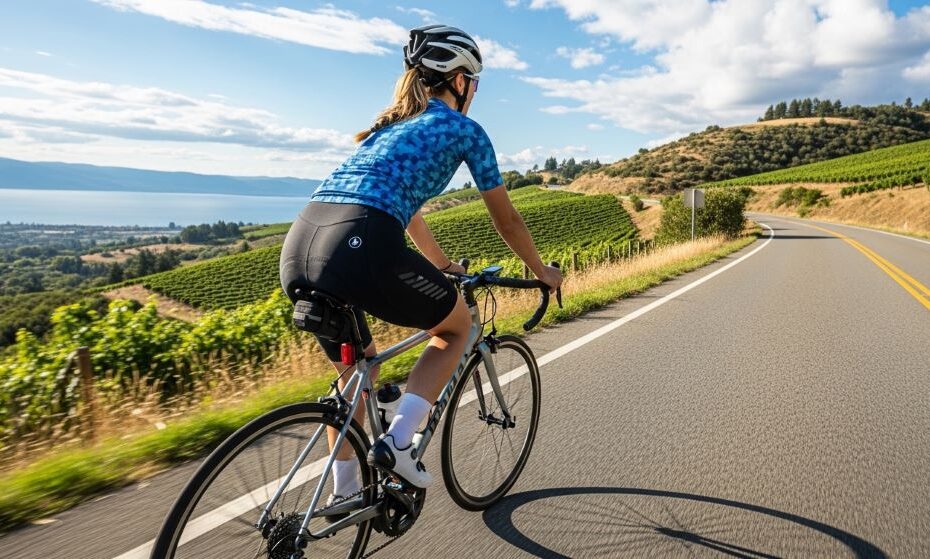
Cycling is one of the most enjoyable forms of exercise. However, nothing ruins a great ride faster than chafing. The right pair of shorts can make a huge difference. Choosing the best anti-chafing cycling shorts for your body and riding style takes a little know-how. This guide will walk you through everything you need to consider.
Additionally, many women feel overwhelmed by the sheer number of options available today. Therefore, we have broken the decision down into simple, clear steps. By the end of this article, you will feel confident choosing shorts that keep you comfortable mile after mile.
Why Padding Matters More Than You Think
The padding in cycling shorts is called a chamois. It sits between your body and the saddle. A good chamois absorbs vibration and reduces friction. However, not all chamois pads are the same. Some are thick and firm. Others are thin and flexible.
The shape of the pad also matters a great deal. Women’s anatomy is different from men’s. Therefore, women’s cycling shorts are designed with chamois pads that are wider at the sit bones and narrower in the center. This design helps prevent pressure points. It also keeps moisture away from sensitive skin.
Additionally, the number of seams in the chamois plays a role. Fewer seams mean less irritation. Look for a single-piece or seamless chamois whenever possible. This small detail can save you from a lot of discomfort on longer rides.
Understanding Chamois Thickness and Density
Chamois padding comes in different thicknesses. Thicker is not always better. The right thickness depends on how long and how often you ride.
Light Padding (Under 10mm)
Light padding works well for short rides of one hour or less. It is also a good choice if you already have a very comfortable saddle. These shorts feel more like regular athletic wear. They are easy to pack and quick to dry.
Medium Padding (10–15mm)
Medium padding suits most recreational riders. It provides solid cushioning for rides between one and three hours. Most everyday cyclists find this range to be the sweet spot. The shorts offer enough protection without feeling bulky.
High Padding (15mm and above)
High padding is designed for long-distance rides of three hours or more. Endurance cyclists and touring riders often prefer this level of cushioning. However, too much padding can actually cause more chafing if it shifts around. Therefore, always pair thick padding with a snug, well-fitted short.
Fabric and Materials That Fight Chafing
The outer fabric of your cycling shorts plays a big role in preventing chafing. You want a material that is smooth, stretchy, and moisture-wicking. Here are the key fabric features to look for:
- Moisture-wicking properties that pull sweat away from your skin
- Four-way stretch that moves with your body without bunching
- Flatlock or bonded seams that lie flat against the skin
- Quick-drying fibers that prevent prolonged wetness
- Anti-bacterial treatments that reduce odor and skin irritation
Lycra and spandex blends are the most popular choices. They offer excellent compression and a smooth surface. Additionally, some brands now use recycled materials that perform just as well as traditional synthetics.
However, avoid shorts made from cotton. Cotton absorbs moisture and holds it against your skin. This creates the perfect conditions for chafing and saddle sores. Therefore, always choose synthetic or blended performance fabrics.
Getting the Right Fit
Fit is everything when it comes to cycling shorts. A poor fit will cause chafing no matter how good the padding or fabric is. The shorts should feel snug but not restrictive. There should be no loose fabric anywhere.
When trying on a pair, bend over as if you are on a bike. Check that the waistband does not dig in or roll down. Make sure the leg grippers stay in place without cutting into your thighs. Additionally, check that the chamois sits right against your sit bones when you are seated.
Waistband Design
A wide, flat waistband distributes pressure evenly. This prevents the waistband from digging into your abdomen during long rides. Some riders prefer a high-waisted design for extra core support. Others like a standard waistband that sits just above the hips.
Leg Length and Grip Bands
Longer legs tend to offer more protection against inner-thigh chafing. Most cycling shorts fall somewhere between six and ten inches above the knee. The silicone grip bands at the leg opening should hold the shorts in place without squeezing too tightly.
Size Consistency
Sizing varies between brands. Therefore, always consult the brand’s specific size chart. Pay attention to waist and hip measurements rather than generic small, medium, or large labels. Many cyclists find they need to size up when switching between brands.

Bib Shorts vs. Standard Shorts
Bib shorts have shoulder straps instead of a waistband. Many cyclists love them because they eliminate waistband pressure entirely. The straps also keep the chamois perfectly positioned throughout a ride. However, bib shorts can be inconvenient when you need to stop and use the restroom.
Standard shorts are more practical for casual rides and commuting. They are easier to put on and take off. Additionally, many women find them more comfortable in warmer weather. The choice ultimately comes down to personal preference and riding style.
How to Care for Your Cycling Shorts
Proper care extends the life of your cycling shorts significantly. The chamois especially needs gentle handling. Follow these simple care tips to keep your soft padding bike shorts in top condition:
- Always wash your shorts after every single ride
- Use a gentle, fragrance-free detergent to protect the chamois material
- Wash in cold water on a delicate cycle to preserve elasticity
- Air dry instead of using a tumble dryer, which can break down padding
- Never use fabric softener, as it reduces moisture-wicking performance
Additionally, store your shorts flat or hanging rather than folded. Folding can create creases in the chamois over time. With proper care, a quality pair of shorts can last several seasons.
Should You Use Chamois Cream?
Chamois cream is a lubricant applied directly to your skin or to the chamois before a ride. It reduces friction and can be a lifesaver on long rides. However, many cyclists find that a good pair of shorts removes the need for cream altogether.
If you do use chamois cream, choose one that is free from harsh chemicals and synthetic fragrances. Apply it generously to the areas most prone to chafing. Reapply during ultra-long rides if you stop for a break. Additionally, never wear underwear under your cycling shorts. Underwear seams create extra friction and completely defeat the purpose of the chamois.
Key Features to Look for When Shopping
When browsing for your next pair of cycling shorts, keep this checklist in mind. It will help you filter through the many options quickly and confidently.
- A women-specific chamois pad shaped for female anatomy
- Flatlock or bonded seams to minimize friction points
- Four-way stretch fabric with UV protection
- Wide, non-rolling waistband or bib design
- Silicone leg grippers that hold without constricting
- Moisture-wicking and quick-drying outer fabric
- Machine-washable construction for easy maintenance
Budget vs. Premium Options
Cycling shorts range from very affordable to quite expensive. Entry-level shorts in the $30 to $60 range can work well for beginners and occasional riders. They typically offer basic padding and decent fabric. However, they may not hold up as well over time.
Mid-range options between $60 and $120 offer a noticeable improvement in chamois quality and fabric performance. Most regular cyclists find this range to hit the sweet spot of value and performance. Premium shorts above $120 are designed for serious and competitive cyclists. They use advanced materials and multi-density chamois pads engineered for maximum comfort.
Therefore, consider how often and how far you ride before making a decision. A beginner who rides twice a week does not need the most expensive option. However, if you plan to ride daily or tackle long distances, investing in quality shorts will pay off in comfort and durability.
Conclusion
Choosing the right women’s padded cycling shorts does not have to be complicated. Start by understanding the type of riding you do and how long your typical rides are. From there, focus on finding a chamois that matches your needs, a fabric that wicks moisture efficiently, and a fit that stays snug without restricting movement.
Remember to look for women-specific padding, smooth flatlock seams, and a waistband that stays in place. Take good care of your shorts by washing them after every ride and air drying them. Over time, you will notice a huge difference in your comfort on the bike.
Whether you opt for bib shorts or standard shorts, entry-level or premium, the right pair of anti-chafing cycling shorts will transform your riding experience. Additionally, do not forget small details like chamois cream for longer efforts. Put all of these tips together, and you will be ready to ride farther and more comfortably than ever before.
Frequently Asked Questions
1. How thick should the chamois padding be for a beginner?
A medium-thickness chamois of around 10 to 12mm works best for most beginners. It provides enough cushioning for rides up to two hours without feeling overly bulky. As you ride more frequently, you can experiment with different thicknesses to find what feels right for you.
2. Can I wear underwear under my cycling shorts?
No. You should never wear underwear under cycling shorts. The chamois is designed to sit directly against your skin. Wearing underwear creates additional seams and folds that cause friction and increase the risk of chafing and saddle sores.
3. How often should I replace my cycling shorts?
With proper care, good-quality cycling shorts last between one and three years for regular riders. Signs that it is time to replace them include a chamois that no longer springs back to its original shape, thinning fabric, and elastic that has lost its stretch.
4. Are bib shorts better than regular cycling shorts for preventing chafing?
Bib shorts often provide better chafing prevention because they eliminate the waistband entirely. The straps keep the chamois in a fixed position throughout your ride. However, standard shorts with a well-designed waistband can be just as effective for most riders.
5. What is the best fabric for women’s cycling shorts?
Lycra and spandex blends are the top choices for cycling shorts. They offer excellent stretch, moisture management, and compression. Look for four-way stretch fabric with flatlock seams and moisture-wicking technology. Avoid cotton, as it absorbs sweat and causes friction over time.
Related Topics:
Indoor Cycling Benefits for Ladies Weight Loss: Transform Your Body
Which is the Best Estimate Bicycle Mass Unveiled