
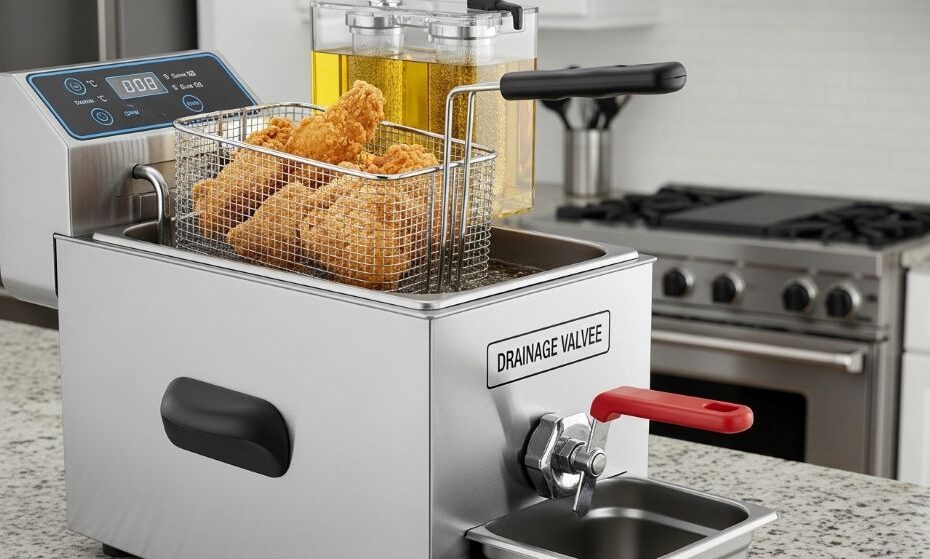
Bringing restaurant-quality fried foods into your home kitchen has never been more accessible. Commercial-style deep fryers designed for residential use offer the power and consistency that home cooks crave. However, choosing the right model requires understanding your needs, available space, and the features that truly matter.
This comprehensive guide will help you navigate the world of professional-grade fryers for home kitchens. Whether you’re passionate about crispy fried chicken, golden french fries, or perfectly cooked tempura, the right equipment makes all the difference in achieving consistent, delicious results.
Understanding Commercial-Style Fryers for Home Kitchens
Commercial-style fryers differ significantly from standard countertop models found in most kitchens. These units bring professional capabilities into residential settings, offering faster heating, better temperature control, and increased cooking capacity.
The term “commercial-style” doesn’t necessarily mean buying actual restaurant equipment. Instead, it refers to home fryers built with commercial features like powerful heating elements, larger oil reservoirs, and durable construction. These units bridge the gap between basic home appliances and true commercial machines.
Many home cooks discover that standard fryers simply can’t keep up with their needs. Small oil capacities mean cooking in multiple batches. Weak heating elements struggle to recover temperature quickly. Poor construction leads to inconsistent results and early replacement. Commercial-style options solve these problems while fitting within home kitchen constraints.
Assessing Your Cooking Needs and Frequency
Before exploring specific features, consider how you’ll actually use your fryer. Your cooking habits should drive your equipment choice, not the other way around.
Think about how often you’ll fry foods. Daily users need durability and easy maintenance features. Occasional fryers might prioritize storage convenience and simpler operation. Weekend entertainers benefit from larger capacities that handle multiple servings at once.
Consider the types of foods you’ll prepare most frequently. Chicken wings, fish fillets, and french fries have different requirements. Some foods need higher temperatures while others cook better at lower settings. Certain items require more oil depth than others to cook properly.
Family size matters significantly in your decision. Cooking for two people demands different capacity than feeding six or eight. Additionally, think about whether you host gatherings where you’d need to prepare large quantities quickly.
Evaluating Capacity and Size Requirements
Capacity stands as one of the most critical factors when selecting a fryer. The right high capacity fryer allows you to cook efficiently without constant batch rotation.
Oil capacity directly affects how much food you can cook at once. Professional-style home fryers typically hold between two and four liters of oil. Larger capacities mean more cooking area and better temperature stability when you add food. However, they also require more storage space and use more oil per fill.
Basket size determines what you can actually fit in the fryer. A large oil reservoir means nothing if the basket can’t accommodate your typical portions. Look for dimensions that match your common cooking tasks. Some models offer dual baskets, letting you cook different items simultaneously or keep finished food warm while preparing more.
Physical dimensions impact where you can place and store your fryer. Measure your counter space carefully before purchasing. Consider height as well, especially if you plan to store the unit under cabinets. Some commercial-style fryers are quite tall and won’t fit in standard cabinet spaces.
Weight becomes relevant if you plan to move your fryer regularly. Models filled with oil can be extremely heavy. Think about whether you’ll leave it on the counter or store it between uses. Permanent countertop placement requires dedicated space but offers convenience.
Power and Heating Performance
Heating capability separates professional-style fryers from basic models. Superior heating performance means faster cooking, better recovery, and more consistent results.
Wattage indicates heating power. Most commercial-style home fryers operate between 1500 and 1800 watts. Higher wattage translates to faster heating and better temperature maintenance when cold food enters the hot oil. This matters enormously for food quality and cooking efficiency.
Temperature recovery time describes how quickly the fryer returns to the set temperature after adding food. When you drop frozen french fries into hot oil, the temperature plummets. Professional-grade heating elements recover quickly, preventing soggy, oil-soaked results. Consumer models often struggle with this issue, leading to disappointing outcomes.
Temperature range flexibility allows you to prepare various foods correctly. Different items require different cooking temperatures. Fish might need 350 degrees while donuts cook best at 375. Quality fryers offer precise control across a wide temperature spectrum, typically from 250 to 400 degrees Fahrenheit.
Look for models with accurate thermostats. Cheap fryers often have significant temperature variations between the displayed setting and actual oil temperature. This inconsistency ruins recipes and makes achieving perfect results nearly impossible. Digital controls generally provide better accuracy than analog dials.
Oil Filtration and Management Systems
Managing oil quality significantly impacts both food taste and operational costs. Advanced filtration systems extend oil life and improve flavor consistency. Heavy duty oil filtration represents a key feature that distinguishes premium fryers from basic models.
Built-in filtration systems remove food particles and debris that accumulate during cooking. These particles burn and create off-flavors if left in the oil. They also accelerate oil breakdown, forcing you to replace it more frequently. Quality filtration keeps oil cleaner between changes.
Some fryers feature automatic filtration that occurs during or after cooking. Others require manual intervention but make the process simpler than traditional methods. Consider how much effort you’re willing to invest in maintenance when comparing systems.
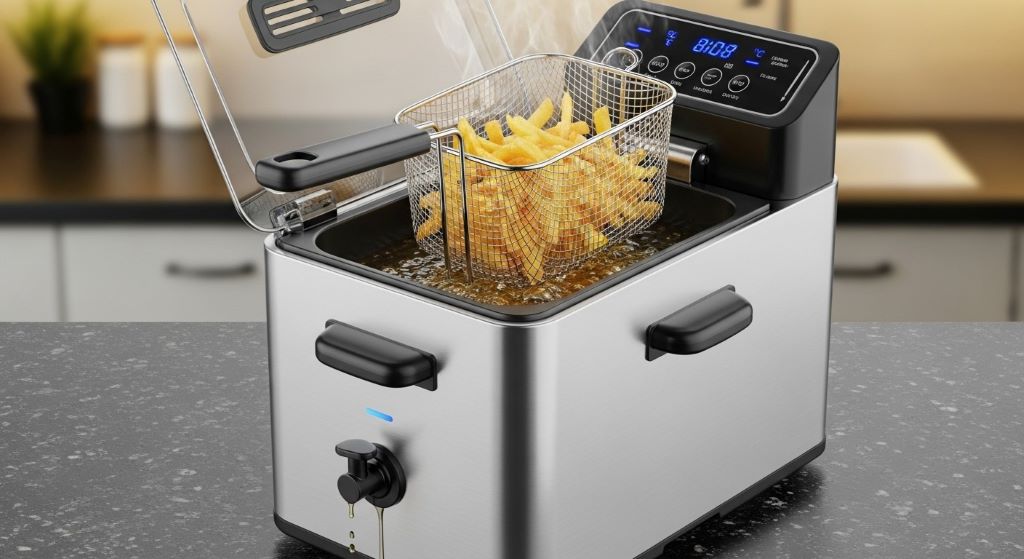
Drainage systems facilitate oil changes and cleaning. Look for models with drain valves that let you empty oil without lifting a heavy, hot appliance. Front-mounted drains work better than rear ones in most kitchen setups. Some advanced models include oil containers that catch drained oil for disposal or storage.
Cold zone technology creates a cooler area at the fryer bottom where food particles settle without burning. This passive filtration system works constantly during cooking. The cooler zone prevents debris from carbonizing and contaminating your oil, extending its usable life significantly.
Safety Features and Controls
Safety considerations become paramount when working with large quantities of hot oil. Commercial-style fryers should include multiple protective features.
Automatic shutoff prevents dangerous overheating. If the temperature exceeds safe limits, the fryer should cut power automatically. This feature protects both your kitchen and the appliance itself from damage caused by runaway heating.
Cool-touch exteriors prevent burns from accidental contact. Quality fryers insulate their outer surfaces so they remain safe to touch during operation. This matters especially in busy kitchens where multiple people might be moving around.
Breakaway cords disconnect easily if someone trips over the power cable. This simple feature prevents catastrophic oil spills that could cause severe burns. Look for magnetic connections or similar quick-release mechanisms.
Lid designs with viewing windows let you monitor food without releasing hot steam directly toward your face. Some models include filters that reduce odors escaping during cooking. Consider these conveniences if you’re sensitive to cooking smells or have open kitchen layouts.
Timer functions prevent overcooking and help you multitask safely. Audible alerts notify you when food should be ready, reducing the chance of distracted cooking leading to burnt meals or safety issues.
Construction Quality and Durability
Professional-grade fryers must withstand regular use without degrading. Construction materials and build quality separate long-lasting investments from disposable appliances.
Stainless steel construction offers the best durability and easiest cleaning. This material resists corrosion, doesn’t retain odors, and maintains its appearance over years of use. Interior components should also be stainless steel, especially anything that contacts hot oil.
Avoid fryers with excessive plastic components near heat sources. Plastic degrades over time, especially when repeatedly exposed to heat and oil. While some plastic use is inevitable in consumer appliances, critical components should be metal.
Removable parts simplify cleaning significantly. Baskets, lids, and oil containers should detach easily for thorough washing. Dishwasher-safe components save time but aren’t essential if parts clean easily by hand.
Heating element design affects both performance and maintenance. Immersed elements heat oil more efficiently than external ones. However, exposed elements collect debris and require more careful cleaning. Some premium models hide elements behind metal plates that protect them while maintaining heating efficiency.
Comparing Countertop Versus Floor Models
Most home users choose countertop fryers due to space constraints. However, understanding the differences helps you make an informed choice.
Countertop models offer portability and flexibility. You can move them as needed, store them when not in use, and place them wherever you have electrical access. They fit most kitchen layouts without requiring dedicated space or installation.
These units typically handle one to two pounds of food per batch, sufficient for most families. They’re easier to clean than larger alternatives and use less oil per fill. However, they have limitations when cooking for crowds or preparing large quantities.
Floor-standing fryers bring true commercial capacity to home kitchens. These substantial units typically require dedicated space and sometimes special electrical connections. They’re essentially restaurant equipment adapted for residential use.
Consider floor models only if you have a very large kitchen, fry foods extremely frequently, or regularly cook for many people. The investment in equipment, installation, and operating costs makes sense for serious enthusiasts but exceeds most home cook requirements.
Energy Efficiency and Operating Costs
Commercial-style fryers consume significant energy. Understanding operational expenses helps you budget accurately and choose wisely.
Electricity usage varies based on wattage and cooking frequency. Higher-wattage models heat faster but draw more power. Calculate estimated annual costs based on your expected usage. Most manufacturers provide energy consumption data that helps with these calculations.
Oil costs accumulate quickly with frequent frying. Larger fryers hold more oil, increasing fill costs. However, better filtration and management systems extend oil life, potentially offsetting the larger initial investment. Consider the total cost of ownership, not just purchase price.
Insulation quality affects energy efficiency significantly. Well-insulated fryers maintain temperature with less energy input. They also keep kitchen temperatures more comfortable by releasing less heat into your cooking space.
Some models include energy-saving modes that maintain oil at lower temperatures between cooking sessions. This feature helps if you fry multiple batches with breaks between them. The fryer stays ready without maintaining full cooking temperature constantly.
Maintenance Requirements and Ease of Cleaning
Regular maintenance determines how well your fryer performs over time. Easy cleaning encourages consistent care, extending equipment life and food quality.
Daily maintenance typically involves filtering or changing oil and wiping down exterior surfaces. Weekly tasks might include deep cleaning removable parts and checking for debris buildup. Monthly maintenance could involve descaling heating elements or inspecting safety features.
Consider how much time you’re willing to invest in upkeep. Some fryers require more hands-on maintenance but offer better performance. Others prioritize convenience with automated systems that handle routine tasks.
Accessibility to internal components matters for thorough cleaning. Can you easily reach all areas where oil and food particles accumulate? Are there hidden crevices that trap debris? These details affect long-term hygiene and performance.
Replacement parts availability ensures you can maintain your fryer over many years. Check whether filters, baskets, and other consumable parts are readily available. Premium brands typically support their products better than budget manufacturers.
Budget Considerations and Value Assessment
Commercial-style home fryers range from a few hundred to several thousand dollars. Understanding what drives these price differences helps you find the best value for your situation.
Entry-level commercial-style fryers start around two hundred dollars. These models offer basic professional features like larger capacity and better heating than standard home fryers. However, they may lack advanced filtration, precise controls, or premium construction.
Mid-range options between four hundred and eight hundred dollars typically deliver the best value for serious home cooks. These fryers include solid construction, good filtration systems, and reliable performance without the premium price of top-tier models.
High-end models exceeding one thousand dollars bring restaurant-quality features to home kitchens. They offer the most advanced filtration, precise controls, and professional-grade construction. These investments make sense for dedicated enthusiasts or those who fry foods very frequently.
Consider the cost per use over the appliance’s expected lifetime. An expensive fryer used weekly for ten years costs less per cooking session than a cheap model replaced every two years. Quality equipment pays for itself through longevity and better results.
Brand Reputation and Warranty Coverage
Manufacturer support significantly impacts your ownership experience. Established brands typically offer better customer service, parts availability, and reliability.
Research brand history in commercial kitchen equipment. Companies with professional foodservice experience often produce better home versions of their commercial products. They understand what features matter and how to build durable equipment.
Read user reviews carefully, focusing on long-term experiences rather than initial impressions. Look for patterns in complaints or praise. A few negative reviews are normal, but consistent problems across many users indicate real issues.
Warranty coverage reveals manufacturer confidence in their products. Better warranties suggest better quality, though this isn’t universal. Understand what the warranty covers and for how long. Some manufacturers offer extended protection for additional cost.
Customer service quality matters when you need support. Can you easily contact the company? Do they respond helpfully? Check reviews specifically mentioning customer service experiences to gauge what you might expect if problems arise.
Installation and Setup Considerations
Proper setup ensures safe operation and optimal performance. Some commercial-style fryers require more complex installation than standard countertop appliances.
Electrical requirements occasionally exceed standard household circuits. Most residential outlets provide 120 volts at 15 or 20 amps. Powerful fryers might require dedicated circuits to avoid tripping breakers. Verify your home’s electrical capacity before purchasing high-wattage models.
Ventilation becomes important with frequent frying. While not always required, proper ventilation removes smoke, odors, and moisture. Consider your kitchen’s existing ventilation capacity. You might need to run a range hood while frying or ensure adequate window ventilation.
Placement affects both safety and convenience. Position your fryer away from flammable materials and high-traffic areas. Ensure stable, level surfaces that can support the weight when filled with oil. Allow clearance on all sides for heat dissipation and safe operation.
Some models require initial seasoning or preparation before first use. Follow manufacturer instructions carefully to ensure proper function and avoid warranty issues. This might involve cleaning, oil conditioning, or running test cycles.
Additional Features Worth Considering
Beyond essential functions, various features enhance convenience and expand your fryer’s capabilities.
Multiple baskets let you cook different foods simultaneously without flavor transfer. This feature works especially well for parties or meals requiring several fried items. Some systems include separate zones with independent temperature controls.
Preset cooking programs simplify operation for common foods. Push-button controls for french fries, chicken, or fish take guesswork out of timing and temperature. However, manual control flexibility remains important for less common recipes.
Oil level indicators show when you need to add more oil for safe operation. Some models won’t heat unless oil reaches minimum levels. This safety feature prevents element damage and potential fires.
Storage accessories like fitted covers protect your fryer between uses. Some manufacturers offer optional oil storage containers that make oil management easier. Consider what accessories might enhance your experience when comparing similar models.
Making Your Final Decision
Choosing the right commercial-style fryer involves balancing multiple factors against your specific needs and constraints.
Create a priority list of features that matter most to you. Capacity might rank highest if you cook for many people. Filtration capabilities could be paramount if you fry frequently. Easy cleaning might top your list if you value convenience over maximum performance.
Compare several models within your budget that meet your priority requirements. Don’t automatically choose the cheapest or most expensive option. Focus on which fryer offers the best combination of features for your situation.
Consider future needs as well as current ones. Your cooking habits might evolve. Buying slightly more capacity than you need today provides room to grow. However, don’t overspend on features you’re unlikely to ever use.
Test products when possible. Some retailers have floor models you can examine. Seeing physical size, feeling build quality, and operating controls provides insights that specifications alone cannot.
Conclusion
Selecting a commercial-style deep fryer for your home requires careful consideration of capacity, performance, maintenance, and budget. The right high capacity fryer transforms your cooking capabilities, delivering restaurant-quality results consistently. Additionally, features like heavy duty oil filtration extend oil life while improving food quality.
Focus on models that match your cooking frequency and family size. Prioritize solid construction, adequate heating power, and convenient cleaning features. Don’t neglect safety considerations, especially if children are present in your household.
Remember that the most expensive fryer isn’t necessarily the best choice for your needs. Similarly, budget models might disappoint if you plan frequent use. Find the balance between features, quality, and cost that suits your specific situation.
By following this guide and carefully evaluating your options, you’ll find a commercial-style fryer that serves you well for many years. The investment in quality equipment pays dividends through better food, more cooking enjoyment, and fewer replacements over time.
Frequently Asked Questions
How much oil do commercial-style home fryers typically use?
Most commercial-style fryers for home use hold between two and four liters of oil, though some larger models can accommodate up to six liters. The exact amount depends on your chosen model and the foods you’re preparing. Larger oil volumes provide better temperature stability but increase both initial costs and storage requirements between uses.
Can I use the same oil for different types of food?
While possible, using the same oil for different foods can transfer flavors and affect taste. Fish oils shouldn’t be reused for desserts, for example. If you fry varied items frequently, consider maintaining separate oil batches or investing in a model with dual tanks. Proper filtration extends oil life regardless of what you cook.
How often should I completely change the oil in my fryer?
Oil replacement frequency depends on usage intensity and filtration quality. Home users typically change oil after eight to ten uses, though good filtration systems can extend this significantly. Watch for signs of degradation like dark color, thick consistency, or off odors. These indicators mean immediate replacement regardless of usage count.
Do commercial-style fryers require special electrical outlets?
Most commercial-style home fryers operate on standard 120-volt household circuits. However, high-wattage models might require dedicated 20-amp circuits to avoid tripping breakers. Check the specifications before purchasing and verify your home’s electrical capacity. Professional installation might be necessary for models requiring 240-volt connections.
Are commercial-style fryers significantly louder than standard home models?
Commercial-style fryers typically produce more noise due to powerful heating elements and fans. However, they’re generally not disruptively loud. Expect sounds similar to running a microwave or dishwasher. The noise level varies by model, so check reviews if sound concerns you. Most users find the noise acceptable given the performance benefits.
Related Topics:
How Can I Improve Kitchen Skills? Mastering the Art of Cooking
How to Deep Clean Kitchen Like a Pro: The Ultimate Guide