
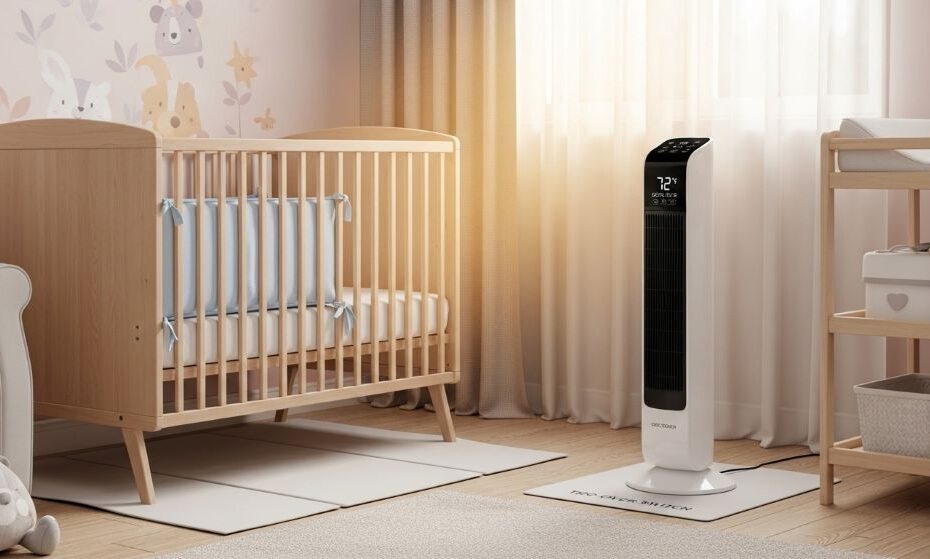
Keeping your baby comfortable and warm throughout cold months is a top priority for every parent. However, the cost of heating can quickly add up, especially when you’re running a heater in the nursery all night long. The challenge lies in maintaining a safe, cozy temperature for your little one without watching your electricity bills skyrocket.
Fortunately, you can achieve both goals with the right approach. By combining smart heating choices, proper insulation techniques, and energy-conscious habits, you can create a warm haven for your baby while keeping your energy consumption in check. This guide will walk you through practical strategies that protect both your child’s comfort and your family’s budget.
Understanding Your Baby’s Temperature Needs
Before diving into energy-saving solutions, it’s essential to understand what temperature range keeps babies safe and comfortable. Pediatricians generally recommend keeping a baby’s room between 68 and 72 degrees Fahrenheit. This range prevents overheating, which has been linked to increased SIDS risk, while ensuring your baby stays comfortably warm.
Babies cannot regulate their body temperature as effectively as adults. Their smaller bodies lose heat more quickly, making them vulnerable to cold. Conversely, they can also overheat easily, which is why finding the right balance is crucial.
Check your baby’s temperature by feeling the back of their neck or their chest. These areas give you a more accurate reading than their hands or feet, which are often cooler. If your baby’s skin feels sweaty or very warm, the room might be too hot. If their chest feels cool to the touch, they may need more warmth.
Choosing the Right Heating Solution
Selecting an appropriate heating device makes a significant difference in both safety and energy efficiency. Not all heaters are created equal, especially when it comes to nursery use.
A low watt heater offers an excellent solution for small spaces like nurseries. These devices consume less power than traditional space heaters while still providing adequate warmth for a single room. They work particularly well in already-insulated spaces where you need supplemental heat rather than primary heating.
When shopping for a heater, look for models with thermostats that automatically maintain your desired temperature. This feature prevents the device from running constantly, which saves considerable energy. The heater will cycle on and off as needed, using power only when the temperature drops below your set point.
Safety features should be your top priority. Choose heaters with automatic shut-off functions that activate if the unit tips over or overheats. Cool-touch exteriors prevent burns if your curious toddler manages to touch the device. Additionally, models without exposed heating elements reduce fire risks.
Consider an electricity saving heater designed with modern energy efficiency standards in mind. These units often use ceramic or oil-filled radiator technology, which heats spaces more effectively than traditional coil heaters. Ceramic heaters warm up quickly and distribute heat evenly, while oil-filled radiators retain heat longer, continuing to warm the room even after cycling off.
Maximizing Your Room’s Natural Insulation
The best way to save energy is to prevent heat from escaping in the first place. Proper insulation keeps warm air inside, reducing how hard your heating system needs to work.
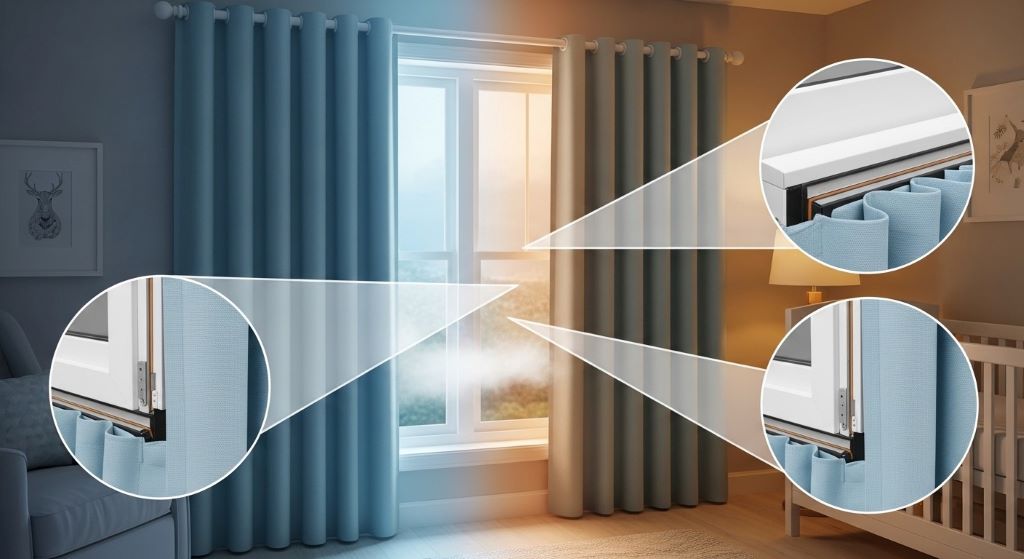
Start by checking windows for drafts. Even small gaps around window frames can let in cold air and allow warm air to escape. Use weatherstripping or draft stoppers to seal these openings. Heavy curtains provide an additional insulation layer, especially when closed at night. Thermal or blackout curtains work particularly well because they trap air between the fabric and the window.
Inspect the door to your baby’s room as well. Gaps under doors are common sources of heat loss. A simple door draft stopper eliminates this problem immediately. These inexpensive accessories can make a noticeable difference in how well the room retains heat.
Check for air leaks around electrical outlets and light switches. These small openings collectively allow significant heat loss. Foam gaskets designed for outlets and switches cost very little but provide measurable insulation improvements.
If you have hardwood or tile floors, add area rugs. Floors account for substantial heat loss, especially in rooms above unheated spaces like garages or basements. Rugs create an insulation barrier while also making the room feel cozier. Choose rugs without loose fibers or small parts that could pose choking hazards as your baby grows.
Strategic Heating Practices
How you use your heating equipment matters just as much as which equipment you choose. Smart heating practices can cut your energy consumption substantially without compromising your baby’s comfort.
Heat only the rooms you’re using. Closing vents or doors to unused spaces allows you to concentrate heating where it’s needed. This targeted approach reduces the overall area your heating system must warm, lowering energy consumption.
Lower your home’s overall thermostat and use supplemental heating in the nursery. This strategy proves more efficient than heating your entire house to the temperature needed for your baby. Most families can comfortably set their main thermostat several degrees lower than they would for a baby’s room.
Time your heating strategically. If you’re using a space heater, run it for an hour before bedtime to warm the room, then lower the setting once your baby is asleep. A well-insulated room will maintain its temperature for several hours. You can also use a programmable thermostat or smart plug to automatically adjust temperatures based on your schedule.
Avoid placing heaters near cribs or changing tables. Beyond the obvious safety concerns, positioning heaters too close to where your baby sleeps creates hot spots rather than even warmth. Place heaters across the room where air can circulate properly, distributing heat throughout the space.
Dressing Your Baby Appropriately
Proper clothing reduces how much artificial heating your baby actually needs. Many parents overdress their babies, then wonder why they need to keep the room so warm.
Use layers rather than one thick garment. Layering allows you to adjust your baby’s warmth level easily. A onesie, followed by pajamas, topped with a sleep sack creates a flexible system. You can remove or add layers as needed without completely changing your baby’s outfit.
Sleep sacks provide warmth without the risks associated with loose blankets. These wearable blankets come in different thicknesses rated by TOG values. A 2.5 TOG sleep sack works well for rooms between 61 and 68 degrees, while a 1.0 TOG suits rooms from 69 to 74 degrees. Choosing the right TOG rating means you can keep your room slightly cooler while your baby stays comfortable.
Check your baby regularly, especially during the night. As mentioned earlier, feel the back of their neck or chest to gauge their temperature. Adjust their clothing or room temperature accordingly. Remember that slightly cool is safer than too warm.
Using Alternative Warmth Sources
Beyond traditional heaters, several alternative methods can keep your nursery warm while using minimal energy.
Your home’s existing heating system likely already warms the nursery to some degree. Before adding supplemental heat, ensure you’re maximizing your current system’s efficiency. Make sure vents aren’t blocked by furniture or curtains. Clean or replace filters regularly, as dirty filters force systems to work harder.
Consider the room’s orientation and natural sunlight. South-facing rooms receive more solar heat during the day. Keep curtains open during sunny hours to capture this free warmth, then close them before sunset to trap the heat inside. This simple practice can raise room temperature by several degrees without any energy cost.
Humidifiers add another dimension to warmth. Moist air feels warmer than dry air at the same temperature. Running a cool-mist humidifier in your baby’s room not only makes the space feel cozier but also helps with breathing and skin comfort during dry winter months. Moreover, humid air retains heat better than dry air, making your heating more effective.
Use ceiling fans strategically if you have them. Heat rises, collecting near the ceiling while floor-level air stays cooler. Running ceiling fans on low speed in reverse mode during winter pushes warm air back down. This circulation distributes heat more evenly without the drafts associated with forward fan motion.
Monitoring and Adjusting
Maintaining optimal conditions requires ongoing attention and adjustment. Room temperature can fluctuate based on outdoor weather, sun exposure, and other factors.
Invest in a reliable room thermometer. Digital models often include humidity readings as well, giving you complete information about your nursery’s environment. Place the thermometer at crib level rather than on a wall, as temperature varies by height.
Keep a log during your first winter with a baby. Note what temperature settings, clothing combinations, and heating schedules work best. This record helps you quickly adjust when weather changes and provides valuable information for future winters.
Watch your energy bills to track the impact of your efficiency measures. Many utility companies offer online tools that show daily energy usage. Monitor these patterns to identify which strategies make the biggest difference in your consumption.
Consider using a smart thermostat or temperature monitoring device. These tools let you track nursery temperature from your phone and adjust settings remotely. Some models send alerts if temperature drops or rises outside your set parameters, giving you peace of mind.
Long-Term Energy Efficiency Improvements
While some solutions provide immediate benefits, other improvements require more investment but offer substantial long-term savings.
Upgrading insulation in walls and ceilings provides the most significant long-term benefit. If your home has poor insulation, this investment can reduce heating costs by 20 to 30 percent. Check your attic insulation first, as this is often the weakest point in homes.
Replace old windows with double-pane or energy-efficient models if your budget allows. Windows account for substantial heat loss in most homes. New windows can dramatically reduce drafts and improve your home’s overall comfort while lowering heating bills.
Seal air leaks throughout your home, not just in the nursery. Professional energy audits can identify problem areas you might miss. Many utility companies offer these audits for free or at reduced cost. The improvements suggested often pay for themselves within a few years through reduced energy bills.
Consider adding an extra layer of drywall or installing insulation panels on exterior walls. These upgrades work particularly well in older homes where wall insulation might be minimal or have settled over time.
Balancing Comfort, Safety, and Economy
Finding the sweet spot between warmth, safety, and affordability requires patience and experimentation. Every home is different, and what works for one family might not suit another.
Start with safety as your non-negotiable foundation. Never compromise your baby’s wellbeing to save money. However, remember that a slightly cooler room with appropriate clothing is safer than an overheated space.
Implement changes gradually rather than trying everything at once. This approach helps you identify which strategies make the biggest difference in your situation. You’ll quickly discover which methods provide the best return on investment for your specific circumstances.
Don’t hesitate to adjust your approach as your baby grows. Newborns have different needs than six-month-olds, who in turn differ from toddlers. Your heating strategy should evolve along with your child’s development and changing needs.
Additional Cost-Saving Strategies
Beyond heating efficiency, several related practices can further reduce your energy expenses while maintaining nursery comfort.
Use LED bulbs in the nursery. These bulbs produce less heat than incandescent options, which might seem counterproductive. However, the energy savings far outweigh any minimal heating benefit from traditional bulbs. Additionally, LEDs last much longer, reducing replacement costs.
Time baths strategically. A warm bath before bed raises your baby’s body temperature naturally. As they cool down afterward, they become sleepy. This process means they’ll go to bed slightly warmer, reducing immediate heating needs. The steam from bathwater also adds humidity and warmth to your home.
Keep doors closed to maintain temperature. When you enter or exit the nursery, minimize the time the door stays open. This simple habit prevents warm air from escaping and cold drafts from entering.
Regular maintenance prevents efficiency losses. Clean heating vents and registers in the nursery regularly. Dust and debris reduce airflow, making systems work harder. Similarly, keep the area around your space heater clean to ensure optimal performance.
Creating a Sustainable Routine
Consistency in your energy-saving practices yields the best results. Develop habits that become second nature rather than tasks you must remember.
Make temperature checks part of your bedtime routine. Just as you check your baby before you go to sleep, confirm the room temperature is appropriate. Adjust the heater setting if needed based on the forecast for that night.
Prepare for extreme weather in advance. When unusually cold nights are predicted, take extra steps to seal drafts and ensure your heating equipment functions properly. This preparation prevents middle-of-the-night emergencies when your baby is cold and you’re frantically trying to warm the room.
Share responsibilities with your partner if you have one. One person can focus on monitoring temperature while the other handles clothing adjustments. This teamwork ensures nothing falls through the cracks during busy or exhausting days.
Conclusion
Keeping your baby warm while managing energy costs is entirely achievable with thoughtful planning and smart choices. A low watt heater provides efficient supplemental warmth for nurseries, while proper insulation prevents heat loss. Strategic heating practices, appropriate clothing, and room monitoring ensure your baby stays comfortable without excessive energy consumption.
Remember that the most expensive solution isn’t always the most effective. Simple measures like sealing drafts, using thermal curtains, and dressing your baby in layers can dramatically reduce heating needs. An electricity saving heater combined with these practices creates an ideal balance between comfort and economy.
Every family’s situation is unique, so experiment to find what works best for your home and budget. Start with safety as your foundation, then implement efficiency measures that align with your resources. The result will be a cozy nursery environment that keeps your baby happy without causing financial stress.
By following these guidelines and remaining attentive to your baby’s needs, you can navigate winter months confidently. Your efforts will reward you with both a comfortable baby and manageable energy bills.
Frequently Asked Questions
What’s the safest type of heater to use in a baby’s room?
Oil-filled radiators and ceramic heaters with built-in safety features are the safest options for nurseries. Choose models with automatic shut-off functions, tip-over protection, and cool-touch exteriors. Never use heaters with exposed coils or flames in a baby’s room. Always place heaters at least three feet away from the crib, curtains, and any flammable materials.
How can I tell if my baby is too cold at night?
Check your baby’s chest or the back of their neck rather than their hands or feet. If these core areas feel cool to the touch, your baby may need additional warmth through extra clothing layers or a slightly warmer room. Cold hands and feet alone don’t indicate your baby is too cold, as these extremities are naturally cooler due to developing circulation.
Is it safe to run a heater in the nursery all night?
Yes, but only if you use a heater specifically designed for continuous operation with appropriate safety features. Choose models with thermostats that maintain steady temperatures and automatic shut-off capabilities. Never leave older heaters or models without safety certifications running unattended. Ensure proper ventilation and never cover the heater or place anything on top of it.
How much money can I realistically save on heating costs with these methods?
Most families can reduce heating expenses by 15 to 25 percent through proper insulation and efficient heating practices. The exact savings depend on your home’s current efficiency, local climate, and energy costs. Simple fixes like sealing drafts and using thermal curtains often provide immediate savings, while larger investments like insulation upgrades yield returns over several years.
Can I use a space heater if my baby was born prematurely?
Premature babies often need slightly warmer environments than full-term infants. Consult your pediatrician for specific temperature recommendations for your baby. Space heaters can work well for maintaining these temperatures, but accurate monitoring becomes even more critical. Use a reliable thermometer and check your baby’s temperature frequently to ensure they’re neither too cold nor overheating.
Related Topics:
What play equipment is suitable for baby?
5 Expert Tips for Mastering Diaper Changing Routines for Twins