
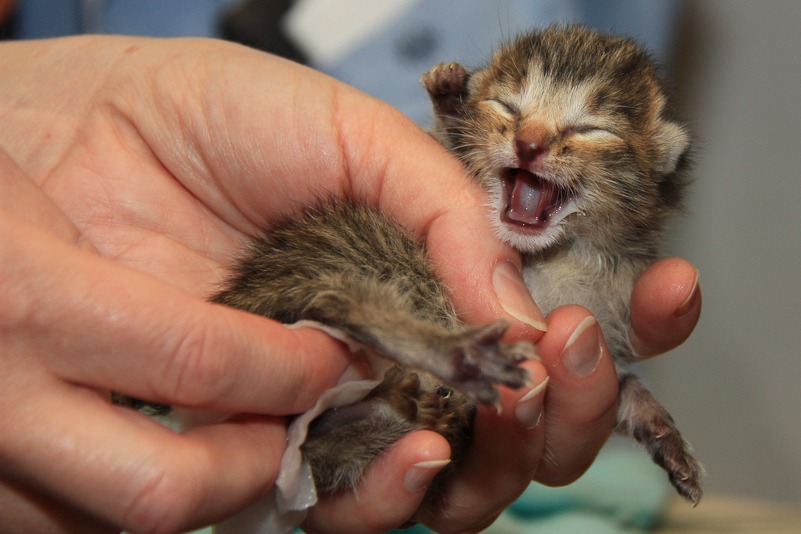
Welcoming newborn kittens into your home is an exciting experience, but it comes with many questions, especially about their care. One common concern for new pet parents is understanding when do newborn kittens poop and pee. This process is critical to their health and development, as their tiny bodies rely on proper digestion and elimination to thrive. Unlike adult cats, newborn kittens cannot urinate or defecate on their own right after birth. They require specific care, often from their mother or a caregiver, to stimulate these functions. This article answers key questions about newborn kitten elimination in a clear, conversational way. We’ll explore the timeline, caregiving tips, potential issues, and more, ensuring you’re equipped to support your kittens’ early days. Whether you’re fostering a litter or caring for a single kitten, understanding their bathroom habits is essential for their well-being. Let’s dive into the details to help you navigate this delicate stage with confidence.
Main Body
When Do Newborn Kittens Start to Poop and Pee?
Snippet Answer: Newborn kittens typically start to poop and pee within the first few days of life, but they need stimulation from their mother or a caregiver until they are about 3–4 weeks old.
Newborn kittens are born with immature digestive and urinary systems. In the first few days after birth, they rely entirely on their mother’s milk (or a kitten formula if orphaned) for nutrition. This liquid diet begins to move through their system, producing waste that needs to be eliminated. However, their bodies lack the muscle control to urinate or defecate independently. The mother cat instinctively licks their genital and anal areas to stimulate these functions, usually within the first 24–48 hours after birth. This process ensures waste doesn’t build up, which could lead to health issues. For orphaned kittens, caregivers must mimic this stimulation using a warm, damp cloth or cotton ball, gently rubbing the area after each feeding. By 3–4 weeks, kittens begin to gain enough control to eliminate on their own, typically coinciding with weaning and the introduction of solid food.
For more detailed guidance on this topic, check out when do newborn kittens poop and pee at HomePetUsa, which offers practical tips for new kitten caregivers.
How Often Should Newborn Kittens Poop and Pee?
Snippet Answer: Newborn kittens should urinate every 2–3 hours after feeding and poop at least once or twice daily, depending on their feeding schedule.
The frequency of elimination in newborn kittens is closely tied to their feeding routine. Since they feed every 2–3 hours, urination typically occurs after each meal when properly stimulated. Pooping, however, may happen less frequently, often once or twice a day in the first week. As their digestive systems mature, the frequency of bowel movements may increase slightly, especially as they consume more milk. Caregivers should monitor these patterns closely, as changes can signal health concerns. For example, a kitten that hasn’t pooped in 48 hours or shows signs of straining may need veterinary attention. Conversely, overly frequent or watery stools could indicate overfeeding or an underlying issue. Keeping a log of feeding and elimination times can help track normal patterns and catch irregularities early. Consistency in stimulation and feeding schedules supports healthy elimination and overall growth.
How to Stimulate Newborn Kittens to Poop and Pee?
Snippet Answer: To stimulate newborn kittens to poop and pee, gently rub their genital and anal areas with a warm, damp cloth or cotton ball after each feeding.
Stimulating a newborn kitten to eliminate waste is a critical caregiving task. The process mimics the mother cat’s licking and is straightforward but requires care to avoid irritation. Here’s how to do it effectively:
- Gather supplies: Use a soft cloth, cotton ball, or gauze pad and warm water. Ensure the water is lukewarm to avoid discomfort.
- Timing: Stimulate after every feeding, as this is when kittens are most likely to eliminate.
- Technique: Hold the kitten gently, and use light, circular motions on the genital and anal areas for 10–20 seconds. Be gentle to avoid skin irritation.
- Monitor output: Urine should be pale yellow and odorless. Stools should be soft, mustard-like, and yellow or brown in the first weeks.
- Clean up: Wipe the area clean and dry to prevent rashes or infections.
Consistency is key, and caregivers should avoid applying too much pressure. If no elimination occurs after a few attempts, consult a veterinarian. Resources like the ASPCA’s guide on newborn kitten care provide additional insights into proper stimulation techniques.
What Should Newborn Kitten Poop and Pee Look Like?
Snippet Answer: Newborn kitten urine is pale yellow and odorless, while poop is soft, mustard-like, and yellow to brown, transitioning to firmer stools by 4–6 weeks.
The appearance of a kitten’s waste provides valuable clues about their health. In the first 1–2 weeks, urine should be pale yellow, clear, and without a strong odor. Any cloudiness, blood, or strong smell warrants a vet visit. Poop, meanwhile, starts as a soft, mustard-like consistency, often yellow or light brown, due to the milk-based diet. As kittens age and begin eating solid food around 4–6 weeks, their stools become firmer and darker, resembling adult cat feces. Abnormal signs include:
- Diarrhea: Watery or overly soft stools may indicate overfeeding, infection, or formula intolerance.
- Constipation: Hard, dry, or absent stools suggest dehydration or digestive issues.
- Blood or mucus: These can point to infections or parasites.
Tracking these characteristics helps caregivers identify problems early. If you notice persistent abnormalities, consult a veterinarian promptly. The PetMD kitten care guide offers further details on monitoring kitten health through their waste.
What Are Common Elimination Problems in Newborn Kittens?
Snippet Answer: Common elimination problems in newborn kittens include constipation, diarrhea, and inability to urinate, often requiring veterinary intervention.
Newborn kittens are delicate, and their elimination processes can encounter issues that need prompt attention. Constipation is a frequent concern, often caused by inadequate stimulation, dehydration, or improper formula. Signs include straining, lack of bowel movements for 48 hours, or small, hard stools. Diarrhea, on the other hand, may result from overfeeding, infections, or formula changes, leading to watery or frequent stools. An inability to urinate, though less common, can signal a urinary tract issue or blockage, which is a medical emergency. Caregivers should watch for:
- Straining without output: Indicates possible constipation or blockage.
- Excessive crying: May signal discomfort from digestive or urinary issues.
- Lethargy or poor appetite: Often accompanies elimination problems.
If these issues persist beyond 24–48 hours, seek veterinary advice. Adjusting feeding amounts, ensuring proper stimulation, and maintaining hydration can prevent many problems. HomePetUsa offers practical solutions for managing these challenges effectively.
When Do Kittens Become Independent in Their Bathroom Habits?
Snippet Answer: Kittens typically become independent in pooping and peeing around 3–4 weeks of age, as they gain muscle control and start litter training.
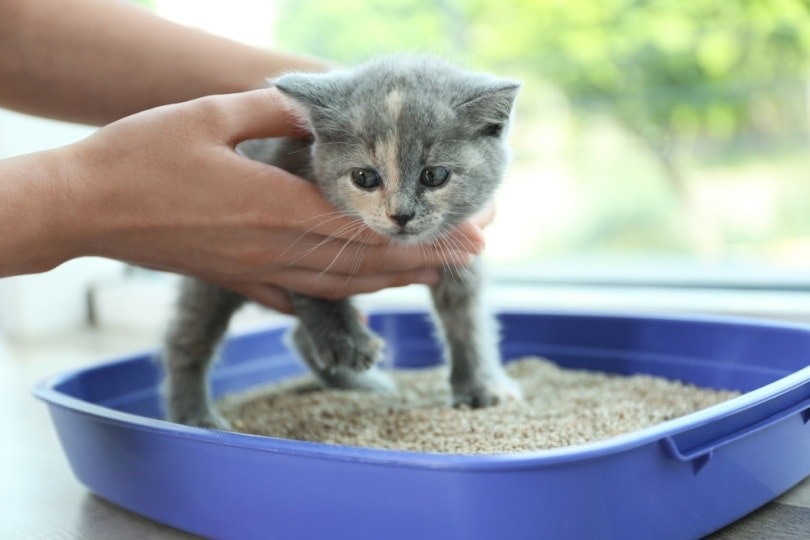
By 3–4 weeks, kittens undergo significant developmental changes. Their muscles strengthen, allowing them to control their bladder and bowels without stimulation. This milestone often aligns with weaning, as they transition from milk to solid food. Caregivers can introduce a shallow litter box around this time to encourage natural elimination habits. Here’s how to support this transition:
- Introduce a litter box: Use a low-sided box with non-clumping, kitten-safe litter.
- Guide them gently: Place kittens in the box after meals to encourage use.
- Monitor progress: Ensure they’re using the box consistently by 5–6 weeks.
Some kittens may take longer to adapt, especially if they’re stressed or have health issues. Patience and consistency are crucial. If a kitten struggles with litter training beyond 6 weeks, consult a vet to rule out medical causes.
How Does Diet Affect Newborn Kitten Elimination?
Snippet Answer: A milk-based diet (mother’s milk or formula) supports soft, regular stools in newborn kittens, while improper feeding can cause constipation or diarrhea.
Diet plays a pivotal role in a kitten’s elimination patterns. In the first few weeks, kittens rely on their mother’s milk or a high-quality kitten milk replacer, which is formulated to mimic natural milk. This liquid diet produces soft, easily passed stools and frequent urination. However, feeding mistakes can disrupt this balance. Overfeeding may lead to diarrhea, while underfeeding or improper formula mixing can cause constipation. Key considerations include:
- Formula choice: Use a vet-recommended kitten milk replacer, not cow’s milk, which can cause digestive upset.
- Feeding amounts: Follow guidelines based on the kitten’s weight and age, typically 8–12 ml per ounce of body weight daily.
- Consistency: Mix formula precisely to avoid overly concentrated or diluted feeds.
As kittens transition to solid food around 4–6 weeks, their stools change, becoming firmer. Gradual weaning prevents digestive upset. Monitoring diet and elimination together ensures healthy development.
Conclusion
Caring for newborn kittens is a rewarding yet demanding task, especially when it comes to their bathroom habits. Understanding when do newborn kittens poop and pee, along with how to support their elimination, is crucial for their health. From stimulating them in the first few weeks to guiding them toward litter box independence, your role as a caregiver is vital. By monitoring their waste, feeding them appropriately, and addressing issues promptly, you can help them thrive. If you’re new to kitten care, resources like HomePetUsa can provide valuable guidance. Ready to take on this journey? Visit HomePetUsa for expert tips and start fostering happy, healthy kittens today!
Read More Also: Roofing Tips Every Homeowner Should Know
FAQ Section
How soon after birth do kittens poop and pee?
Answer: Kittens start pooping and peeing within 24–48 hours after birth, with stimulation from their mother or caregiver.
This process begins as they digest their first meals of milk. Caregivers must stimulate orphaned kittens to ensure regular elimination.
Can newborn kittens poop without stimulation?
Answer: No, newborn kittens cannot poop or pee without stimulation until they are about 3–4 weeks old.
Their muscles aren’t developed enough, so the mother cat or a caregiver must assist by gently rubbing the genital and anal areas.
What if a newborn kitten doesn’t poop for a day?
Answer: If a kitten doesn’t poop for 24–48 hours, it may be constipated and needs veterinary attention.
Try gentle stimulation and ensure proper feeding. Persistent issues require a vet check to rule out blockages or dehydration.
How do I know if a kitten’s poop is normal?
Answer: Normal newborn kitten poop is soft, mustard-like, and yellow to brown. Abnormal signs include diarrhea, blood, or hardness.
Monitor consistency and color daily, and consult a vet if you notice persistent irregularities.
When should I start litter training kittens?
Answer: Start litter training kittens around 3–4 weeks, when they begin to eliminate independently.
Use a shallow, kitten-safe litter box and place them in it after meals to encourage natural habits.
Can diet cause elimination problems in kittens?
Answer: Yes, improper diet, like cow’s milk or overfeeding, can cause diarrhea or constipation in newborn kittens.
Stick to vet-recommended kitten milk replacer and follow feeding guidelines to support healthy digestion.
What are signs of a urinary issue in newborn kittens?
Answer: Signs include straining without urinating, crying during stimulation, or blood in urine, requiring immediate veterinary care.
These symptoms may indicate a blockage or infection, which can be serious if untreated.