

Lithium-ion batteries power the cordless tools we rely on daily, delivering efficiency and portability. But what happens when these batteries reach the end of their life? Disposing of them improperly can harm the environment, pose safety risks, and waste valuable resources. This guide explains everything you need to know about safely disposing of lithium-ion batteries from cordless tools. For further tips, explore Bestusatools for expert guidance.
Why Lithium-ion Batteries Require Special Disposal
Lithium-ion batteries contain hazardous chemicals, including lithium, cobalt, and nickel. These materials are not only toxic but can also cause fires when improperly handled.
- Environmental Impact: When discarded in landfills, toxic chemicals can leach into the soil and water, polluting ecosystems.
- Safety Concerns: Damaged batteries may ignite due to short-circuiting, causing fires. According to the National Fire Protection Association, battery fires in landfills have become a significant concern.
Safe disposal mitigates these risks while allowing for the recovery of valuable resources.
Identifying Damaged Lithium-ion Batteries
Damaged batteries are more dangerous to handle. Here are signs to look for:
- Swelling or Bulging: Indicates chemical instability.
- Leaks or Corrosion: Suggests compromised safety.
- Overheating or Smoking: A clear warning of internal damage.
Handle damaged batteries with extra caution to avoid accidents.
Read More Also: 5 Expert Tips for Mastering Diaper Changing Routines for Twins
Proper Steps for Lithium-ion Battery Disposal
- Locate a Recycling Center:
Recycling is the most responsible way to dispose of lithium-ion batteries. Many cities offer dedicated e-waste collection programs. - Use Retailer Take-back Programs:
Stores like Home Depot and Lowe’s often have drop-off points for old batteries. - Prepare Batteries for Disposal:
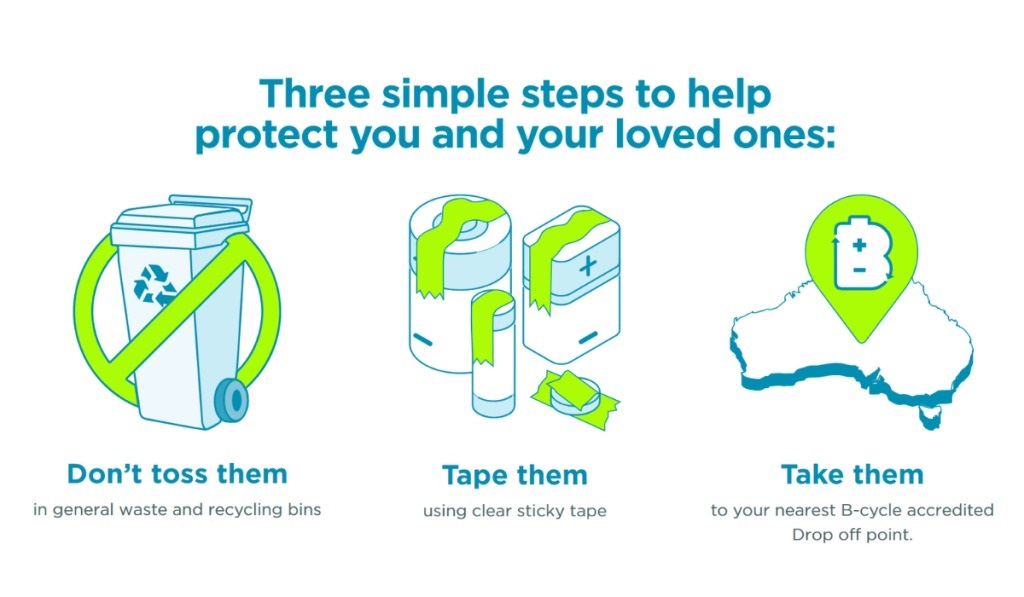
- Cover the terminals with tape to prevent accidental contact.
- Place batteries in a non-conductive, fireproof container.
- Avoid Regular Trash:
Never throw lithium-ion batteries in household trash as they can ignite or leak toxic chemicals.
Recycling Lithium-ion Batteries for a Greener Future
Recycling offers a sustainable solution by recovering valuable materials like lithium and cobalt. According to the International Energy Agency, recycling can reduce the demand for newly mined materials by up to 60%.
Recycling benefits include:
- Reducing environmental pollution.
- Conserving finite resources.
- Supporting a circular economy.
Safety Precautions When Storing Old Batteries
If you cannot immediately dispose of a battery, follow these guidelines for safe storage:
- Use original packaging or a non-conductive container.
- Store in a cool, dry location away from flammable materials.
- Keep batteries out of reach of children and pets.
Government Regulations for Battery Disposal
Countries worldwide enforce strict rules for battery disposal to minimize environmental damage.
- United States: The EPA’s Universal Waste Rule governs battery disposal and recycling practices.
- European Union: The Battery Directive mandates collection and recycling targets for all battery types.
Staying informed about regulations helps you avoid fines and ensures proper disposal.
Repurposing Lithium-ion Batteries
Some batteries, especially those with minimal wear, can be repurposed. For example:
- DIY battery packs for projects.
- Portable charging devices.
- Solar energy storage systems.
However, repurposing requires technical expertise and should be done carefully to avoid hazards.
The Role of Manufacturers in Promoting Safe Disposal
Leading cordless tool brands are taking initiatives to promote battery recycling. Companies like DeWalt and Makita offer programs where users can return old batteries for safe disposal or recycling. Such programs make disposal easy and eco-friendly.
Common Mistakes to Avoid
- Throwing Batteries in the Trash: Illegal in many jurisdictions.
- Puncturing or Crushing Batteries: Creates a fire risk.
- Ignoring Manufacturer Guidelines: Always follow instructions for disposal.
How to Encourage Safe Battery Disposal in Your Community
Raise awareness by:
- Hosting local collection drives.
- Educating friends and neighbors on risks.
- Partnering with retailers for community programs.
Safe Disposal of Lithium-ion Batteries From Cordless Tools
Cordless tools rely heavily on lithium-ion batteries. By prioritizing safe disposal, you can protect the environment, prevent safety hazards, and contribute to sustainability. Learn more about tool safety and disposal by exploring hand tools toolbox talk tips or click on https://bestusatools.com/safety-guide/toolbox-talk-hand-tools-safety/ for valuable insights.
FAQs
What happens if lithium-ion batteries are thrown in the trash?
They can cause fires or release toxic chemicals into the environment.
Where can I recycle batteries?
You can use e-waste recycling centers, retailer programs, or certified recycling facilities.
Can I store old lithium-ion batteries at home?
Yes, but ensure they are in a fireproof, non-conductive container away from heat and moisture.
Are lithium-ion batteries recyclable?
Yes, nearly 95% of materials can be recovered through proper recycling.
What are the signs of a damaged battery?
Swelling, leaks, corrosion, or overheating are common indicators of damage.
What should I do with a damaged lithium-ion battery?
Take it to a hazardous waste facility immediately and handle it with care.
Conclusion
Safe disposal of lithium-ion batteries from cordless tools is not just about following regulations; it’s about safeguarding the environment and preventing potential hazards. By recycling or repurposing old batteries responsibly, you can play a crucial role in reducing waste and conserving resources. Make informed choices today to ensure a sustainable future for generations to come.