
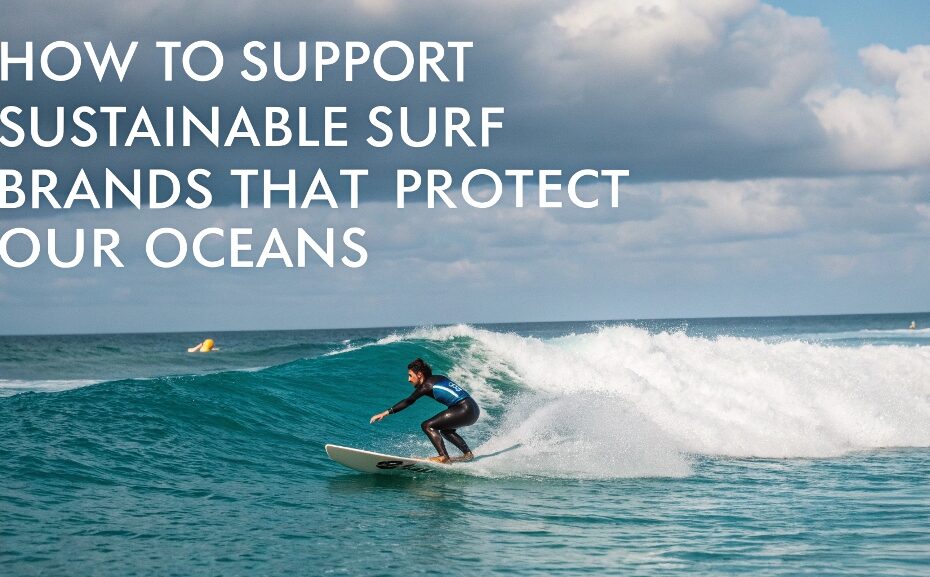
Sustainability and surfing go hand in hand. Yet, many of the boards, wetsuits, and gear we use today are far from eco-friendly. Plastic pollution, toxic materials, and unethical labor practices are often buried beneath flashy brand names. If you care about the oceans you surf in, it’s time to support surf brands that respect the Earth. That’s where sustainable surf brands come in.
These companies design gear that’s better for the environment, workers, and your future surf trips. And let’s be real—when you paddle out onto the waves, don’t you want to do so with a clean conscience?
I remember my first eco-board. It felt different, lighter. Not just physically, but mentally. I knew I wasn’t contributing to the waste floating out beyond the lineup. You can feel that shift too. Whether you’re new to surfing or a seasoned shredder, making the switch to sustainable brands is simpler than you think.
To get started, explore The Surfing Village—a community that highlights surf culture and supports eco-friendly choices.

Why Support Sustainable Surf Brands?
How to do the Huntington hop on a surfboard is a great skill to master, especially if you’re serious about progression. But what about progressing as a mindful surfer too?
Supporting sustainable surf brands isn’t just about trend-following. It’s about protecting the ocean that gives us so much joy. According to the United Nations Environment Programme (UNEP), over 8 million tons of plastic waste end up in oceans every year. Much of this comes from microplastics, synthetic textiles, and gear that breaks down in saltwater.
Traditional surfboards, wetsuits, and accessories are often made from petrochemical-based materials that don’t break down. They release microplastics and toxic substances over time. Sustainable brands are changing this.
Here’s why it matters:
- Cleaner oceans: Eco-gear reduces marine pollution.
- Lower carbon footprint: Sustainable brands often use renewable energy and recycled materials.
- Support ethical labor: Many sustainable brands ensure fair working conditions and wages.
- Inspire others: Your choices encourage your surf crew to think greener too.
Personally, I’ve stopped buying mass-produced gear. I now choose companies that offer recycled boardshorts, algae-based wetsuits, and FSC-certified boards. My surf sessions feel better because my gear has a story—one rooted in ethics, not exploitation.
Know the Ingredients: What Makes a Surf Brand Sustainable?
Not all “green” labels are created equal. Some companies greenwash—using words like “eco” without backing it up. So how do you tell the real sustainable surf brands from the posers?
Look for these key indicators:
- Materials Used
- Recycled polyester (like from plastic bottles)
- Natural rubber instead of neoprene
- Reclaimed wood or algae-based foam
- Certifications
- Fair Trade Certified (ethical labor)
- GOTS (organic textiles)
- B Corporation (social and environmental impact)
- Transparency
- Brands should share where materials come from and how products are made.
- Look for lifecycle assessments or impact reports on their websites.
- Eco-Packaging
- Avoid plastic wrapping. Sustainable brands use compostable or minimal packaging.
For example, Patagonia and Finisterre are known for their traceability and innovation. According to their reports, Patagonia’s use of recycled materials has diverted over 20,000 tons of waste from landfills.
When you support these brands, you’re not just buying gear—you’re investing in a cleaner surf world.
The Moment I Made the Switch
I used to buy surf gear based purely on style or price. But on a trip to Indonesia, something clicked. I was paddling out in clear water when I noticed plastic wrappers tangled in the coral. My board leash got caught on a piece of fishing line.
A local surfer told me, “The tourists bring gear, leave trash.” That stung. I realized I was part of the problem.
After that trip, I did some research. I found a handful of small surf companies making gear with ocean-bound plastic and fair labor. I ordered a new rash guard made from 100% recycled polyester. The fit was perfect, but more importantly, I felt proud to wear it.
That switch changed how I surf and shop. Now, I ask: Was this made fairly? Will it last? Will it harm the ocean I love?
You can make that change too. It starts with a single purchase.
How to Support Sustainable Surf Brands
Supporting sustainable brands isn’t just about what you buy—it’s how you live your surf life. Here’s how to turn good intentions into action:
1. Do Your Research
- Visit brand websites. Read their “About” or “Sustainability” pages.
- Look for transparency. Vague statements like “eco-friendly” aren’t enough.
- Check reviews and forums. What are other surfers saying?
2. Buy Less, Buy Better
- Choose high-quality gear that lasts longer.
- Skip fast fashion or discount wetsuits that fall apart quickly.
- Think of your gear as an investment—not a throwaway.
3. Support Local Eco-Shops
- Many surf towns have local shops that stock sustainable brands.
- Ask the owners about their sourcing. They often know more than big box store staff.
4. Share and Educate
- Talk to friends in your lineup. Share what you’ve learned.
- Post about your sustainable finds on social media.
- Start a local surf cleanup and promote eco-brands as part of the event.
5. Buy Second-Hand or Repair
- Check out used gear exchanges.
- Fix your board dings instead of buying a new one.
- Wetsuit torn? There are eco-friendly repair kits out there.
By combining these small actions, you create a bigger impact. And others will notice.
Top Sustainable Surf Brands to Check Out
Here’s a quick list of surf brands known for their eco-commitment. Start your switch with one of these:
- Patagonia – Worn Wear program, Fair Trade certified, Yulex natural rubber wetsuits
- Finisterre – B-Corp certified, recycled materials, sustainable wool
- Outerknown – Founded by Kelly Slater, focuses on fair labor and circular design
- Vissla – Partners with the Surfrider Foundation, uses coconut-based fibers
- Firewire Surfboards – Uses Entropy bio-resin and sustainable board construction
Each of these brands has real-world proof of their sustainable efforts. No fluff—just real change.
What You Gain by Supporting These Brands
You might pay a bit more upfront, but you’ll save in the long run—and not just in dollars.
Here’s what you gain:
- Gear that lasts: Sustainable materials are often stronger and more durable.
- Better performance: Lighter boards, more breathable wetsuits, and less toxic gear.
- Stronger community: You’ll be part of a global movement of conscious surfers.
- Peace of mind: You’re not polluting the ocean you love.
Plus, you’ll inspire the next generation of surfers. Kids growing up today deserve waves without plastic soup. Your choices help make that a reality.
Read More Also: How to Keep Your Surf Hat from Flying Off: Proven Tips for Every Wave Rider
Conclusion
Surfing isn’t just a sport. It’s a lifestyle. A relationship with the sea. And like any relationship, it takes care and responsibility. Supporting sustainable surf brands is a simple but powerful way to honor that connection.
You don’t have to overhaul your entire surf wardrobe overnight. Just start with one item—one better boardshort, one fair-trade shirt, one biodegradable leash. Every wave you ride with sustainable gear is a wave toward a cleaner future.
Ready to ride that wave? Drop your favorite sustainable surf brand in the comments or share this with a fellow ocean lover. Let’s keep the stoke going—and the planet thriving.
Read More Also: Down Feather Pillow Allergy Symptoms and Safe Alternatives: What You Need to Know
FAQs
What makes a surf brand sustainable?
Sustainable surf brands use eco-friendly materials, follow ethical labor practices, and are transparent about their impact.
Are sustainable surf products more expensive?
Often, yes. But they last longer and are made fairly, making them a better long-term investment.
Can I recycle my old surf gear?
Some brands offer take-back programs or suggest donation centers. Check with your local surf shops.
Where can I find sustainable surf gear?
Try online stores like Patagonia, Outerknown for curated eco-gear options.
Is natural rubber better than neoprene?
Yes. Natural rubber like Yulex is renewable and less polluting than petroleum-based neoprene.