
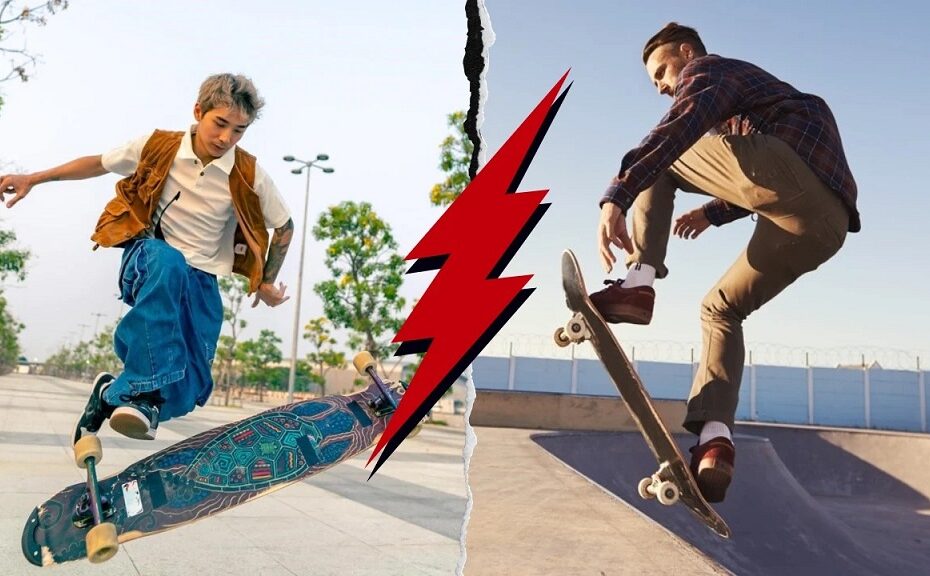
Longboarding and skateboarding are more than just sports; they’re lifestyles that embody creativity, freedom, and innovation. Both disciplines stem from a shared origin yet cater to distinctly different audiences. Whether you’re an adrenaline junkie looking to bomb hills or someone mastering intricate tricks at the skatepark, these boards have something to offer. To uncover their unique journeys, we explore Skateboardtrends and their pivotal roles in shaping modern skate culture.
Origins: How It All Began
The Birth of Skateboarding
Skateboarding originated in the 1950s when surfers sought a way to “surf” on land. Known initially as “sidewalk surfing,” skateboards were rudimentary wooden planks with metal wheels. By the 1960s, skateboarding gained momentum, with companies creating specialized designs and smoother wheels.
- Cultural Significance: Skateboarding became a rebellious expression in the 1970s, heavily influenced by the counter-culture movement.
- Influence of Technology: Polyurethane wheels revolutionized the sport, making it safer and more versatile.
Longboarding’s Genesis
Longboarding was born from the same surfer spirit but targeted a smoother ride resembling surfing waves on pavement. In the 1970s, it evolved as skaters began experimenting with longer decks and softer wheels for downhill riding and cruising.
- Distinctive Style: Longboarding catered to a niche audience seeking a flowing, wave-like experience.
- Bamboo Skateboards and Sustainability: Modern longboards, such as bamboo skateboards, prioritize eco-friendly designs, highlighting the community’s shift toward sustainability. Discover more about bamboo skateboards here: https://skateboardtrends.com/skateboards/eco-friendly-bamboo-skateboards/.
Cultural Evolution: From Streets to Hills
Skateboarding’s Urban Appeal
The 1980s marked skateboarding’s golden era, with skateparks springing up and professional competitions gaining mainstream attention. Pioneers like Tony Hawk and Rodney Mullen transformed the sport into an art form with jaw-dropping tricks.
- Street Credibility: Skateboarding is synonymous with urban culture, graffiti, and music.
- Competitive Edge: It’s now an Olympic sport, showcasing its global appeal and legitimacy.
Longboarding’s Chill Vibes
Longboarding, in contrast, retained a more laid-back image. It became synonymous with downhill racing, freestyle carving, and long-distance cruising. The sport found its audience among those looking for a more meditative connection with the pavement.
- Global Popularity: Countries like Switzerland and New Zealand host epic downhill events.
- Inclusivity: Longboarding appeals to beginners due to its stability and ease of use.
Read More Also: When to Get a Divorce: A Guide to Navigating a Difficult Decision
Key Differences Between Longboarding and Skateboarding
Design and Purpose
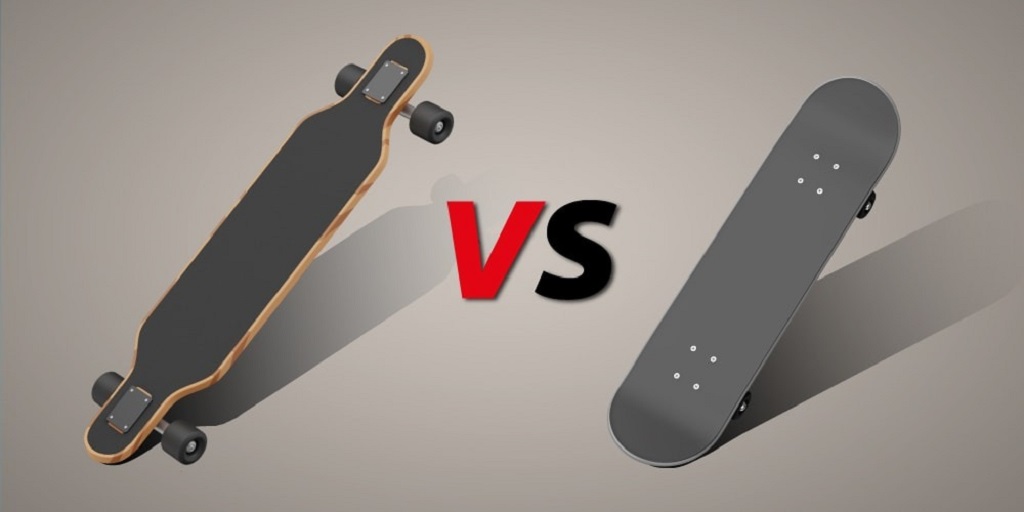
- Skateboarding: Shorter decks, harder wheels; ideal for tricks and skatepark terrain.
- Longboarding: Longer decks, softer wheels; tailored for cruising, downhill, and long distances.
Skill Sets Required
- Skateboarding demands technical prowess for flip tricks and grinding rails.
- Longboarding prioritizes balance and control for carving or speeding downhill.
Cultural Appeal
- Skateboarding is deeply entrenched in street culture.
- Longboarding resonates with the adventurous and outdoorsy.
Economic and Environmental Impact
Skateboarding Industry
The skateboarding market is valued at over $2 billion globally, driven by the rise of streetwear and professional competitions. Companies continue to innovate in deck materials and wheel designs.
Longboarding’s Eco-Friendly Push
Longboarding brands often prioritize sustainability, with bamboo skateboards becoming a popular choice. Bamboo is renewable, lightweight, and durable, making it a win-win for riders and the planet.
The Modern Skate Culture
Fusion of Styles
The boundaries between longboarding and skateboarding are blurring. Riders are experimenting with hybrid boards and combining techniques from both disciplines.
Influence of Social Media
Platforms like Instagram and TikTok have popularized both sports, allowing skaters and longboarders to showcase their creativity to a global audience.
FAQs
Why is longboarding considered safer than skateboarding?
Longboarding is often safer due to its stability, softer wheels, and ease of control, making it ideal for cruising and downhill riding.
Can longboarders perform tricks like skateboarders?
Yes, longboarders can perform tricks, but they differ in style, focusing more on freestyle and carving than technical skate tricks.
Is skateboarding more competitive than longboarding?
Skateboarding has a stronger competitive scene with events like the X Games and Olympics. Longboarding focuses more on niche racing and freestyle events.
How does deck material affect performance?
Materials like bamboo in longboards add flexibility and durability, while maple wood in skateboards provides a sturdy base for tricks.
What’s better for beginners, longboarding or skateboarding?
Longboarding is generally better for beginners due to its forgiving design and smoother ride.
Do skateboards and longboards require different maintenance?
Yes, skateboards need frequent wheel and deck checks for tricks, while longboards require attention to bearings and grip for downhill stability.
Conclusion
The history of longboarding vs skateboarding reveals two sports born from a shared passion for freedom and innovation yet evolving into unique expressions of creativity. Whether you’re drawn to the technical tricks of skateboarding or the fluid grace of longboarding, there’s no denying their cultural and personal impact.