
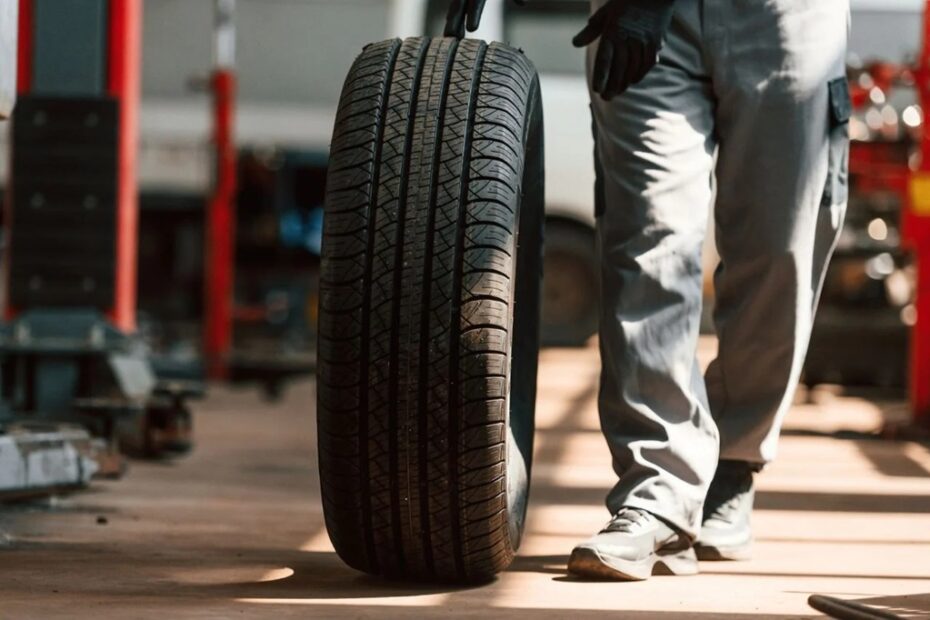
When it comes to vehicle upkeep, tires often take a back seat to flashier concerns like engine performance or interior gadgets. However, these rubber doughnuts are the unsung heroes of your daily commute, impacting everything from safety to fuel efficiency. When considering tire options, it’s crucial to understand the differences between all weather tires vs all season tires to ensure you have the best performance and safety year-round. Let’s dive into the world of tire maintenance and explore how a little attention can keep your vehicle running smoothly and driving safely.
Why Tire Maintenance Matters
Before we get our hands dirty, let’s understand why tire maintenance isn’t just an optional chore:
- Safety First: Your tires are the only point of contact between your vehicle and the road. Worn, under-inflated, or damaged tires drastically reduce traction, making it harder to brake, steer, and maintain control, especially in wet or slippery conditions.
- Fuel Efficiency: Underinflated tires create more rolling resistance, forcing your engine to work harder and guzzle more fuel. Properly inflated tires can save you money at the pump.
- Tire Longevity: Regular maintenance can significantly extend the lifespan of your tires, saving you the cost of premature replacements.
- Ride Comfort: Balanced and aligned tires provide a smoother, quieter ride, making your daily commute more enjoyable.
The Tire Maintenance Checklist
Now, let’s roll up our sleeves and tackle the essential tire maintenance tasks:
Check Tire Pressure Regularly:
-
- Use a reliable tire pressure gauge at least once a month and before long trips.
- Refer to your vehicle’s owner’s manual or the sticker on the driver’s side door jamb for the correct pressure.
- Don’t forget to check the spare tire, too!
Inspect Tire Tread Depth:
-
- Tires need sufficient tread depth to channel water away and maintain grip.
- Use the “penny test”: Insert a penny upside down into the tread groove. If you can see the top of Lincoln’s head, your tires are dangerously worn and need replacing.
- Alternatively, use a tread depth gauge for a more precise measurement.
Rotate Your Tires:
-
- Tires wear unevenly depending on their position on the vehicle.
- Rotate your tires every 5,000-8,000 miles to ensure even wear and maximize their lifespan.
- Consult your owner’s manual for the recommended rotation pattern.
Balance Your Tires:
-
- Imbalance can cause vibrations and uneven wear.
- Have your tires balanced when they’re rotated or if you notice any unusual vibrations?
Get Your Alignment Checked:
-
- Misalignment can lead to uneven tire wear and steering problems.
- Get your alignment checked if you hit a pothole, notice uneven tire wear or your vehicle pulls to one side.
Related: How to Find the Latest VW Revision of Car Parts
Keep an Eye on Your Tire’s Age:
-
- Even if your tires have plenty of treads left, the rubber can degrade over time.
- Check the sidewall for the DOT code, which indicates the week and year the tire was manufactured.
- Tires older than six years should be inspected by a professional and may need replacing.
Additional Tire Tips
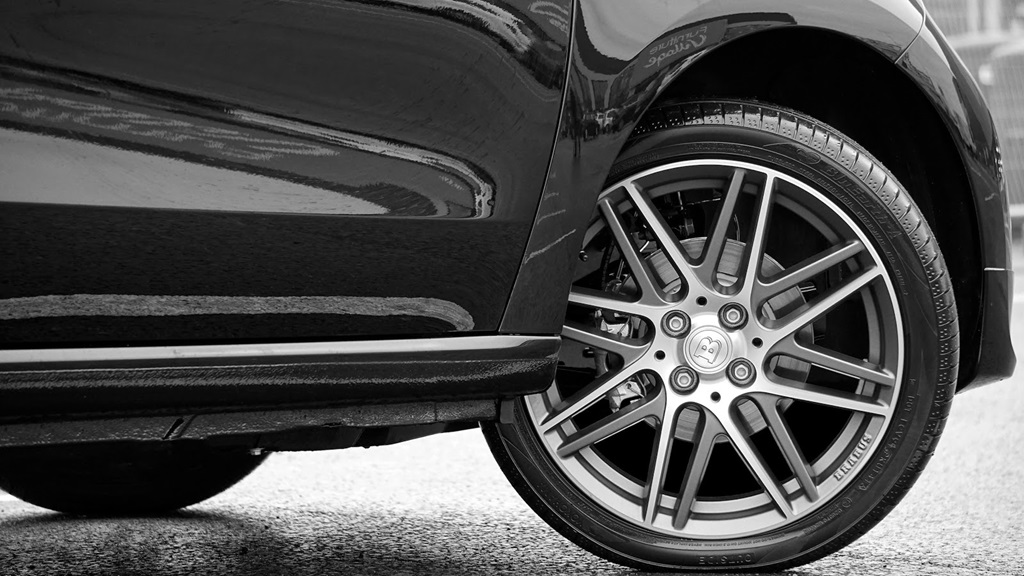
Beyond the basic maintenance tasks, here are some extra tips to keep your tires in top shape:
- Avoid Overloading: Check your vehicle’s maximum load capacity and avoid exceeding it.
- Drive Smoothly: Avoid aggressive driving, hard braking, and fast cornering, which can accelerate tire wear.
- Check for Damage: Regularly inspect your tires for cuts, bulges, punctures, or any other signs of damage.
- Store Tires Properly: If you have a set of seasonal tires, store them in a cool, dry place away from sunlight.
When to Seek Professional Help
While many tire maintenance tasks can be done at home, don’t hesitate to seek professional assistance for:
- Mounting and balancing new tires
- Alignment checks and adjustments
- Repairing punctures or other damage
- Inspecting older tires for signs of degradation
Investing in Your Safety and Savings
By making tire maintenance a priority, you’re not only investing in the longevity of your tires but also in your safety and the overall performance of your vehicle. So, give those round rubber wonders the attention they deserve, and they’ll keep you rolling smoothly for miles to come.